Political Trends Shaping Public Participation in India in 2026
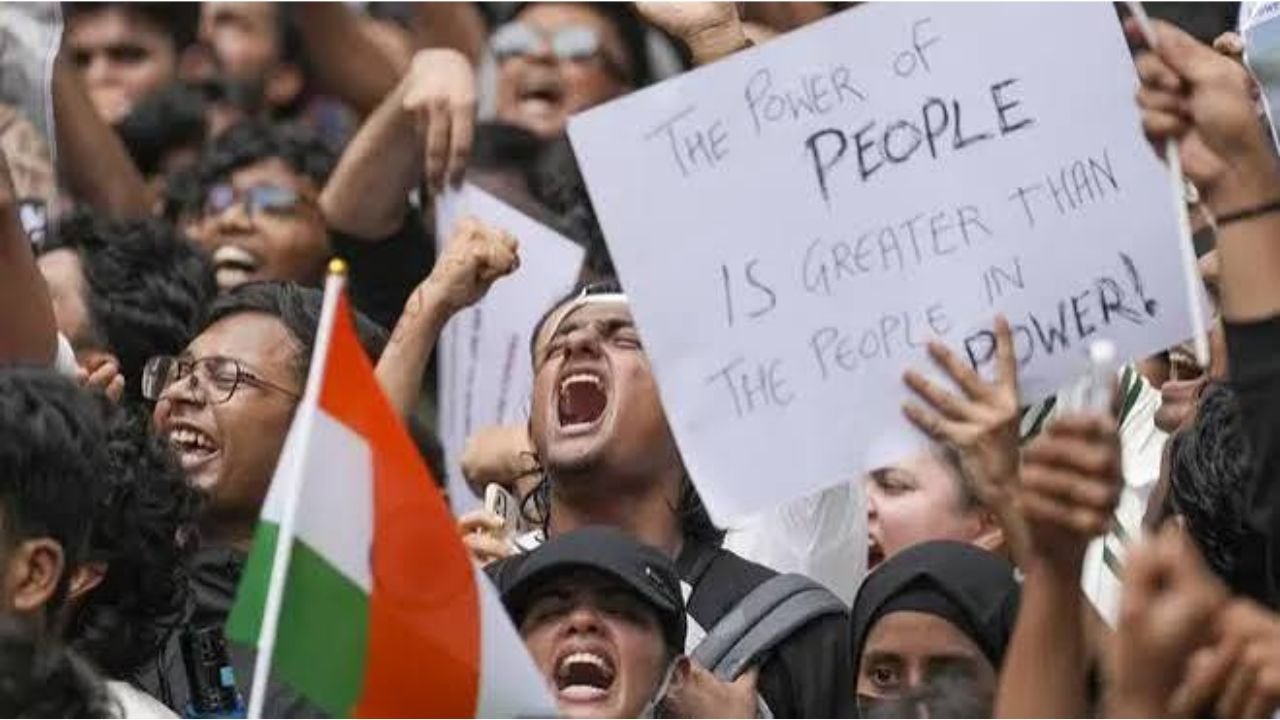
Politics in India continues to influence everyday discussions about governance, elections, public services, representation, and economic priorities. In 2026, political conversations are also being shaped by digital platforms, voter awareness campaigns, electoral-roll updates, and debates around policy implementation.
For readers interested in politics, understanding these developments requires more than following campaign statements or social-media posts. It involves looking at official information, comparing documented positions, and understanding how institutions work.
The Election Commission of India continues to conduct voter-awareness activities through its Systematic Voters’ Education and Electoral Participation programme, commonly known as SVEEP. The programme focuses on voter education, electoral literacy, and participation.
At the same time, electoral-roll revision has become an important political and administrative issue in several parts of India. The Election Commission’s Special Intensive Revision process has included Odisha and other states, with the stated objective of ensuring that eligible citizens are included while ineligible entries are excluded.
Electoral Awareness and the Changing Political Conversation
Voters today have access to political information through television, newspapers, websites, social-media platforms, video channels, and messaging applications. This has made political information easier to access, but it has also created a need for careful verification.
Political discussions can move quickly online. A statement made by a politician can become widely shared within minutes, sometimes without the surrounding context. For citizens, checking the original statement and the source behind a claim can provide a clearer understanding.
Several practical habits can help people follow politics responsibly:
- Check important claims against official documents or reliable news reports.
- Read beyond headlines when a political issue is complex.
- Compare statements from different political groups.
- Distinguish a political promise from an implemented policy.
- Check the date of information before sharing it.
- Look for election-related information from the Election Commission.
The current political environment also shows the importance of understanding electoral institutions. The Election Commission administers elections for the Lok Sabha, Rajya Sabha, state legislative assemblies, and the offices of the President and Vice President.
For example, electoral-roll revision is not simply a political talking point. It involves administrative procedures, verification, claims, objections, and opportunities for eligible citizens to register or correct information. The Election Commission’s 2026 SIR process included house-to-house enumeration and provisions for submitting forms online or through election officials.
Digital Media and Political Information
Digital media has become an important part of political communication. Political parties, candidates, journalists, civil-society organisations, and individual citizens all use online platforms to discuss public issues.
This has changed the relationship between politicians and voters. Communication is no longer limited to public meetings, newspapers, or television appearances. Social platforms allow political messages to reach audiences directly and encourage immediate reactions.
However, online political information can also mix factual reporting, personal opinion, campaign material, satire, advertising, and unverified claims. Readers benefit from identifying the type of content they are viewing before treating it as evidence.
Search trends can also produce unrelated commercial phrases alongside political topics. Terms such as Oxbar Astro Maze 50k may appear in online content because of unrelated search behaviour, but such commercial terminology should not be confused with political information or civic reporting.
A useful approach to digital political content includes:
- Identifying the original source.
- Checking whether a claim is presented as fact or opinion.
- Looking for supporting documents.
- Checking whether an image or video is current.
- Reading the full context of controversial statements.
- Avoiding the immediate sharing of unverified political claims.
These habits are particularly relevant during elections and major political debates. Political information can affect public understanding of candidates, parties, government programmes, and legislative proposals, so source quality matters.
Policy Debates and Institutional Developments
Political discussions in 2026 cover a wide range of subjects, including electoral procedures, governance, economic policy, social policy, federal relations, and legislation.
Recent reporting has also highlighted political developments in West Bengal, including an upcoming Nandigram Assembly bypoll and disputes involving rival Trinamool Congress factions. The Election Commission has barred the rival factions from using the original party name and symbol while the dispute is considered.
Such developments demonstrate why political reporting often requires attention to institutional procedures rather than only campaign statements. Questions involving party recognition, election symbols, candidate eligibility, and electoral disputes can involve formal rules and legal processes.
Political discussions can also involve proposed legislation or policy initiatives. For instance, recent reporting has covered discussions around the Uniform Civil Code and its possible implementation through states. Different political parties and groups have expressed different views on the subject, making it useful for readers to examine the actual proposals and the arguments presented by the relevant sides.
The same principle applies to online political conversations. A phrase such as Oxbar Vape Flavor may occur in search or advertising contexts unrelated to political affairs. Its presence alongside political keywords does not make it part of a political policy discussion.
For readers, the broader lesson is straightforward: political topics should be evaluated according to their actual relevance, evidence, and source rather than simply their appearance in search results.
Responsible Participation in Public Life
Political participation extends beyond voting. Citizens can follow local government decisions, understand public policies, attend community discussions, contact elected representatives, and stay informed about electoral procedures.
The Election Commission’s voter-education programme specifically aims to improve electoral knowledge and participation.
Responsible participation can include several practical steps:
- Keep voter information updated.
- Learn about candidates and their documented records.
- Read party manifestos and official policy documents.
- Follow parliamentary and assembly developments.
- Verify political claims before sharing them.
- Participate in elections according to personal judgment.
- Respect differences of political opinion.
Digital searches can sometimes bring together political terms and unrelated commercial phrases. Oxbar Vape is another example of a commercial search term that has no inherent connection to political governance. Keeping unrelated subjects separate helps maintain clarity when researching public affairs.
Conclusion
Indian politics in 2026 continues to involve elections, electoral administration, policy debates, digital communication, and public participation. Current developments show that political information can change quickly, while institutional procedures often require closer examination.
For readers following politics, a practical approach is to rely on credible reporting, official sources, primary documents, and multiple perspectives. Staying informed does not require accepting every political claim encountered online. It means examining evidence, understanding the context, and making independent civic decisions based on reliable information.