Ultimate Guide to Dog Rucksacks: Comfortable Hands-Free Adventures with Your Canine Companion
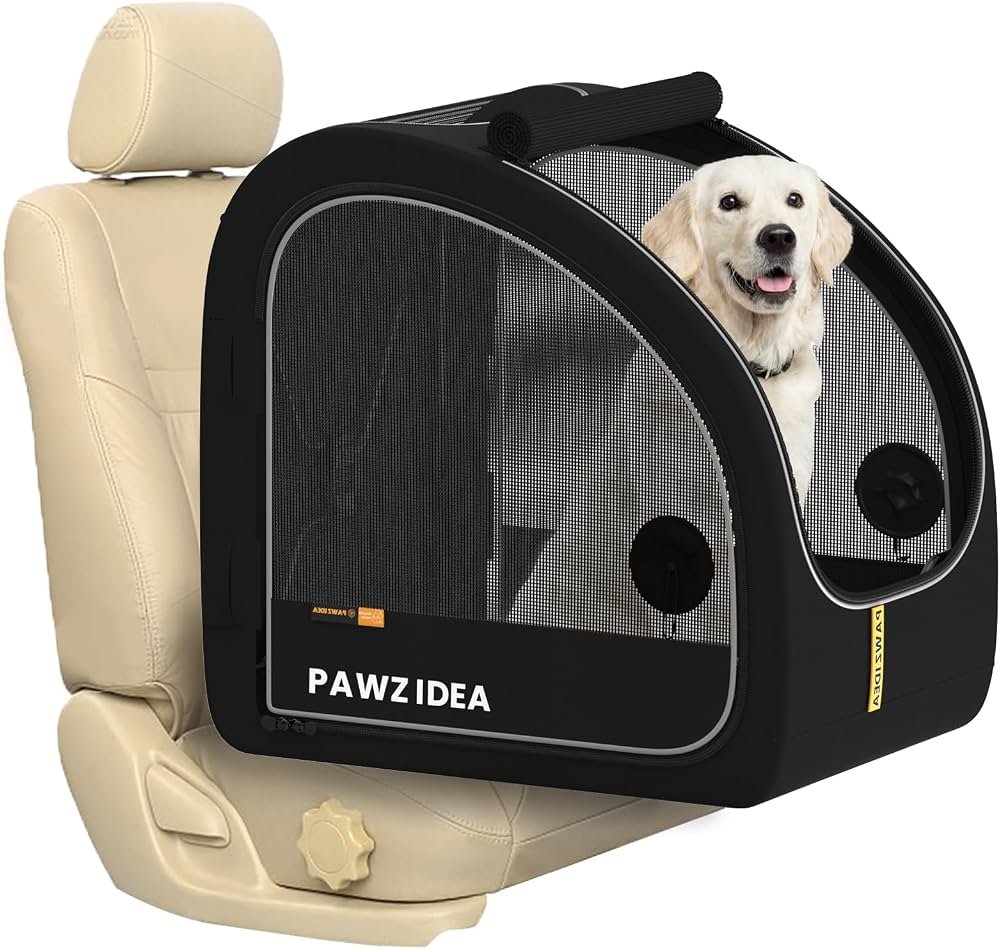
Carrying your dog on hiking trails, urban commutes, or outdoor excursions has grown significantly in popularity. Dog rucksacks offer a practical solution for pet owners who want to keep their companions safe, comfortable, and close by during everyday travel or long journeys. Whether you own an aging dog, a young puppy with limited stamina, or a small breed that tires quickly, choosing the right carrier transforms how you explore the world together.
Understanding the features, safety standards, and practical uses of dog rucksacks allows you to select an option that suits both your body and your pet’s needs. This guide covers everything you need to know about selecting, using, and maintaining a high-quality carrier for your next adventure.
Why Every Pet Owner Needs a Dog Carrying Backpack
Navigating busy city streets, crowded transit systems, or steep hiking paths with a small or vulnerable dog presents distinct challenges. A dedicated backpack carrier solves these issues by elevating your pet above ground-level hazards like sharp debris, hot asphalt, or dense crowds.
Key Benefits of Carrying Your Dog
-
Protection and Safety: Keeps small or timid dogs secure from unpredictable wildlife, larger animals, or overwhelming crowds.
-
Extended Reach for Older Pets: Allows senior dogs suffering from arthritis or joint pain to join long family outings without overexerting themselves.
-
Puppy Development Support: Helps young puppies experience social environments before completing their full vaccination schedules.
-
Hands-Free Convenience: Leaves your hands free to hold trekking poles, manage luggage, or handle everyday tasks while keeping your pet close.
Essential Features to Look for in Outdoor Dog Backpacks
Not all carriers offer the same level of structural support, security, or comfort. Evaluating specific design features ensures that both you and your pet remain comfortable during long trips.
Ergonomic Support for the Human Carrier
Carrying weight on your back for extended periods demands proper weight distribution to prevent shoulder and lower back strain.
-
Padded Shoulder Straps: Thick, breathable foam padding reduces pressure points across your shoulders.
-
Adjustable Chest and Hip Belts: Hip belts transfer the primary load weight from your spine to your pelvis, providing stability on uneven terrain.
-
Breathable Back Panels: Mesh padding along the back panel promotes airflow, keeping you cool during strenuous activities.
Comfort and Security for Your Dog
Your pet requires adequate space, ventilation, and safety mechanisms to remain calm inside the pack.
-
Internal Safety Tethers: Built-in clips attach directly to your dog’s harness, preventing sudden jumps or accidental falls.
-
Sturdy Structural Base: A firm, padded bottom prevents sagging, offering your dog a stable platform to stand, sit, or lie down comfortably.
-
Multi-Sided Ventilation: Durable mesh windows ensure consistent airflow and allow your pet to view their surroundings without overheating.
Selecting the Right Size for Your Canine Companion
Selecting an improper size leads to discomfort, poor posture, and anxiety for your dog. Accurate measurement forms the foundation of a successful purchase.
How to Measure Your Dog Accurately
-
Back Length: Measure along the spine from the base of the neck to the base of the tail.
-
Chest Girth: Wrap a flexible measuring tape around the widest part of your dog’s ribcage.
-
Height: Measure from the paw pads up to the top of the shoulders while your dog stands on a flat surface.
-
Weight Check: Weigh your pet to ensure they fall well within the manufacturer’s maximum weight capacity.
A well-fitted pack allows your dog to turn around naturally without feeling compressed against the internal fabric walls.
Everyday Applications: From City Commutes to Wilderness Trails
Modern carriers adapt seamlessly to various environments, serving distinct functions depending on your lifestyle and activity level.
Urban Travel and Public Transportation
Cities often enforce strict rules regarding pets on public transit. A fully enclosed carrier meets transit guidelines while keeping your dog calm amidst loud traffic and packed train cars. The elevated view helps anxious pets feel secure rather than overwhelmed by foot traffic at ground level.
Hiking and Wilderness Exploration
Long trail hikes frequently exceed the physical endurance limits of smaller breeds. Carrying your dog through difficult, rocky, or muddy stretches protects their paws from injury and prevents heat exhaustion during warm summer afternoons.
Finding reliable travel gear requires choosing manufacturers who prioritize durable construction and ergonomic design for pet safety. Brands like Pet Carrier UK specialize in high-quality carriers engineered for maximum comfort, offering reinforced stitching, weather-resistant materials, and ergonomic support structures designed to handle both urban commutes and rigorous outdoor adventures.
How to Acclimate Your Dog to a Backpack Carrier
Introducing your dog to a carrier requires patience, positive reinforcement, and a gradual approach. Rushing this process can create lasting anxiety around the equipment.
Step-by-Step Acclimatization Process
-
Unpack and Inspect: Leave the backpack open on the floor in a familiar room for several days, allowing your dog to sniff and explore it naturally.
-
Associate with Rewards: Place high-value treats or favorite toys inside and around the carrier to build positive associations.
-
Practice Stationary Encounters: Encourage your dog to step inside willingly. Reward them while they sit inside with the zippers open.
-
Short Indoor Carries: Zip the carrier, secure the safety tether, and lift the bag for short periods inside your home. Walk around for two to three minutes, offering verbal praise.
-
Outdoor Test Runs: Begin outdoor trips with brief ten-minute walks around your neighborhood before embarking on full-day hikes or longer transit trips.
Maintenance and Care Tips for Long-Lasting Use
Proper cleaning and storage preserve the structural integrity and hygiene of your carrier over time.
Cleaning Instructions
-
Spot Cleaning: Wipe minor dirt and mud off the exterior fabric using a damp cloth and mild dish soap.
-
Removable Pads: Machine wash removable interior fleece liners on a gentle cycle using fragrance-free detergent, then air dry completely.
-
Zipper Maintenance: Inspect zippers regularly for caught fur, dirt, or debris to ensure smooth operation during travel.
Safe Storage
Store your carrier in a cool, dry place away from direct sunlight when not in use. Avoid stacking heavy boxes on top of structured packs, as this can crush the internal support frames.
Finding the Perfect Match for Your Adventures
Investing in a well-designed carrier opens up new possibilities for sharing outdoor experiences with your pet. By focusing on ergonomic human support, proper pet sizing, durable materials, and safety features like internal tethers, you ensure every outing remains enjoyable and stress-free. Take time to measure your dog, introduce the new gear patiently, and prepare for comfortable, hands-free journeys wherever the path leads.