Gutter Guards in Davenport, IA: A Practical Guide to Better Gutter Protection
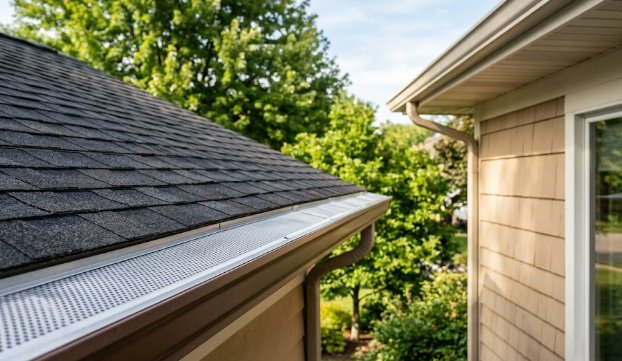
Gutters play an important role in directing rainwater away from your roof, siding, foundation, and landscaping. When leaves, twigs, pine needles, and other debris collect inside them, water flow becomes restricted. Regular cleaning helps, but homeowners who want to reduce debris buildup often consider a gutter protection system designed for their existing drainage setup.
For many properties, gutter guards in Davenport, IA provide a practical way to limit the amount of debris entering the gutter channel while allowing rainwater to move toward the downspouts. Choosing the right system requires more than selecting a cover. You should consider your roof design, surrounding trees, gutter condition, local weather, and how easily the system can be inspected and maintained.
Why Gutter Debris Creates Problems
Blocked gutters prevent water from moving efficiently through the drainage system. During heavy rainfall, restricted gutters can overflow along the roof edge and onto exterior walls. Continued overflow can contribute to moisture around the foundation, soil erosion, stained siding, and landscape damage.
Davenport homes also experience seasonal changes that affect gutter performance. Spring storms can produce substantial rainfall, while autumn brings leaves and other organic debris. Winter introduces freezing temperatures that place additional stress on exterior drainage components. Ice loading can add weight to gutter systems, while repeated freeze-thaw cycles can affect water flow and contribute to ice buildup. In some situations, ice dams can also cause water to back up near the roof edge.
Keeping debris under control helps your gutters handle these seasonal demands more effectively.
Choosing the Right Gutter Guard System
Gutter guards come in several designs. Each option handles debris and water differently, so the best choice depends on your property.
Screen Guards
Screen systems use openings that allow water through while blocking larger debris. They are generally straightforward and work well where the primary concern is leaves and larger particles.
Mesh and Micro-Mesh Guards
Mesh systems use smaller openings to filter finer debris. Micro-mesh designs provide tighter filtration and are useful for properties surrounded by trees that produce small leaves, seeds, or roof debris.
Surface-Tension or Reverse-Curve Guards
These systems use a curved surface to guide water into the gutter while allowing larger debris to fall away. Proper installation and roof runoff patterns are important for effective performance.
Foam Inserts
Foam inserts fit inside the gutter channel and allow water to pass through the material. They provide another approach to debris control but require periodic inspection because organic material can accumulate on the surface.
When comparing systems, consider how the guard will work with your gutter pitch, fascia, drip edge, and gutter apron. A guard that fits one roof and gutter configuration may not perform the same way on another.
Winter conditions should also be part of the selection process. A suitable system needs to remain securely positioned when snow, ice, and frozen debris add weight to the gutter. Ask how the guard is expected to perform during freeze-thaw cycles and whether its design could affect water movement when temperatures remain below freezing.
Check Your Gutters Before Adding Guards
Gutter guards work best when the underlying gutter system is in good condition. Before installation, inspect the gutters for sagging sections, loose fasteners, separated joints, corrosion, cracks, or poor slopes. Also check the fascia, drip edge, gutter apron, and gutter pitch for conditions that could affect installation or drainage.
Downspouts also deserve attention. A gutter guard does not correct an undersized, blocked, or poorly positioned downspout. Water still needs a clear path from the roofline through the gutter and safely away from the foundation. Downspout extensions can help carry discharged water farther from the foundation when the existing outlet does not provide enough separation.
If existing gutters are damaged or improperly positioned, repairing or replacing them first provides a stronger foundation for gutter protection.
Before installation, homeowners should also review the roofing manufacturer’s warranty requirements. Warranty treatment can vary by manufacturer and installation method. For example, GAF advises avoiding gutter-cover installations that require penetrating shingles with fasteners, removing and replacing shingles, or eliminating drip edges, and recommends following good roofing practices. Checking the applicable warranty and installation instructions before work begins can help avoid an unexpected issue.
Maintenance Still Matters
Gutter guards reduce debris accumulation but do not make a drainage system completely maintenance-free. Small particles, roof grit, seeds, and organic material can collect on or around the guard surface. Pine needles can also bridge across some mesh systems rather than falling completely away, potentially restricting water flow.
Inspect your gutters periodically, especially after major storms and during heavy leaf fall. Check whether water is flowing freely and confirm that downspouts remain clear. Look for sections where debris has accumulated or where water is spilling over the guard. No gutter guard eliminates the need for inspection, particularly on properties with heavy tree cover or significant roof debris.
Routine inspections help identify small problems before they develop into larger drainage concerns.
Benefits of Proper Gutter Protection
A properly selected and installed gutter protection system helps you:
- Reduce the frequency of gutter cleaning
- Limit leaf and debris buildup
- Support consistent rainwater flow
- Reduce the risk of gutter overflow
The goal is not simply to keep gutters cleaner. Effective protection helps maintain the complete path that moves water away from your home.
Plan Gutter Protection for Your Davenport Home
If you are considering gutter guards in Davenport, IA, start by evaluating your existing gutters, roofline, downspouts, and surrounding vegetation. Consider the type and amount of debris your property receives before choosing a guard design. A careful inspection and proper installation help ensure the system works with your home’s existing drainage pattern.
For the right solution, have your gutter system evaluated and address any damaged or drainage-related components before installation. Taking these steps helps you build a more dependable gutter system that is easier to maintain throughout the changing Davenport seasons.