What Are the Best Vocational Courses to Study in Australia?
Choosing the right course can make a big difference to your career. If you want practical skills, industry-focused training and a clear pathway into employment, vocational education can be a great option.
Australia offers a wide range of vocational courses designed to help students develop practical knowledge and job-ready skills. These courses are available across areas such as community services, aged care, disability support, education support, health, business, horticulture and more.
But which are the best vocational courses to study in Australia? The answer depends on your interests, career goals, previous experience and the type of work you want to do.
What Is Vocational Education in Australia?
Vocational education and training (VET) focuses on practical skills and knowledge needed for specific industries and occupations. Unlike courses that are mainly theory-based, VET programs generally have a strong focus on workplace skills.
Students can choose from certificates, diplomas and other nationally recognised training programs across different industries.
Vocational education can be suitable for school leavers, career changers, existing workers and people looking to build new skills.
Best Vocational Courses to Study in Australia
1. Community Services Courses
Community services is a popular area for people who want to work with individuals, families and communities.
Certificate III in Community Services and Certificate IV in Community Services can help students develop skills relevant to different support roles.
Depending on the qualification and employment requirements, career opportunities may include community support, youth work, social support and other community-focused positions.
For students interested in progressing their careers, a Diploma of Community Services can provide further skills and knowledge.
2. Aged Care Courses
Australia has an ongoing need for skilled workers who can support older people. This makes aged care an important vocational study area.
Courses such as Certificate III in Individual Support Ageing can provide practical skills for supporting people with their daily needs and wellbeing.
Students may also consider further qualifications in aged care and community services as they gain experience and develop their career goals.
If you are interested in working directly with older people, aged care training can be a practical starting point.
3. Disability Support Courses
Disability support is another important vocational career area in Australia.
A Certificate III in Individual Support (Disability) can help students develop skills for providing person-centred support to people living with disability.
For those looking to build advanced skills, further study such as a Certificate IV in Disability may be worth considering.
These courses can be suitable for people who want a career focused on supporting independence, inclusion and quality of life.
4. Mental Health Courses
Mental health services require workers with appropriate knowledge, communication skills and support abilities.
A Certificate IV in Mental Health can help students develop skills relevant to supporting people experiencing mental health challenges.
This type of vocational course may suit people interested in community services, support work and related care environments.
Before choosing a course, it is important to check the qualification requirements and the specific roles available in your preferred area.
5. Education Support Courses
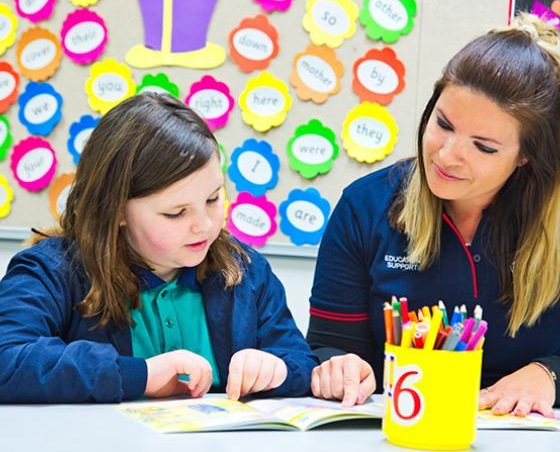
If you enjoy working with children and want to contribute to the education environment, an education support course may be worth considering.
A Certificate IV in School Based Education Support can help learners develop practical skills for supporting students and assisting within educational settings.
This can be a suitable study pathway for people who want to work in schools or education-related environments, subject to role and employer requirements.
6. Health Services Courses
Healthcare is another major vocational education area in Australia.
A Certificate III in Health Services Assistance can provide foundational skills for people interested in supporting healthcare professionals and working in healthcare environments.
Students interested in health-related careers should consider the practical training, placement requirements and employment opportunities associated with their chosen qualification.
7. Business Courses
Not every vocational course is focused on care or health. Business is another broad area with many study options.
Students can consider qualifications such as:
- Certificate III in Business
- Certificate IV in Business
- Certificate IV in Entrepreneurship
- Diploma-level business qualifications
Business courses can help develop skills in administration, communication, customer service, workplace operations and business activities.
These skills can be useful across many industries.
8. Horticulture Courses
For people who enjoy working outdoors, plants and land management, horticulture can be an interesting vocational pathway.
Courses in horticulture can cover areas such as plant care, gardening, landscaping, nursery operations and horticultural practices.
A Certificate II or Certificate III in Horticulture may be considered depending on your experience and career goals.
How Do You Choose the Right Vocational Course?
There is no single vocational course that is best for everyone. Before enrolling, consider the following factors.
Think About Your Career Goals
Start by identifying the type of work you would like to do. If you want to work in aged care, for example, an individual support qualification may be more relevant than a business course.
Consider Your Interests
You are more likely to enjoy your studies when the subject matches your interests. Think about whether you prefer working with people, children, businesses, healthcare environments, plants or community organisations.
Check Course Requirements
Different courses can have different entry requirements, study formats, placement requirements and assessment methods. Always check the current course information before enrolling.
Look at Practical Training
One of the key advantages of vocational education is its practical focus. Check what practical training, work placement or simulated workplace activities are included in the course.
Consider Future Study Pathways
Some qualifications can provide a pathway to further vocational study. Think about where you want your career to go and whether the course can support your longer-term goals.
Are Vocational Courses Good for Career Changers?
Yes. Vocational education can be a useful option for people who want to move into a new industry.
For example, someone with experience in administration may decide to move into community services, while another person may choose aged care, disability support or education support.
The practical nature of many VET courses can help learners develop skills relevant to their chosen industry.
Can You Study Vocational Courses Online?
Some vocational courses offer online or blended study options, while others require practical training or workplace placement.
Online learning can provide flexibility for people who are working or have other commitments. However, practical requirements can vary significantly between qualifications.
Before enrolling, check whether the course is fully online, blended or includes mandatory practical components.
Why Study Vocational Courses in Australia?
Vocational education can offer several benefits, including:
- Practical and industry-focused learning
- Skills designed around workplace requirements
- A wide range of industries and qualifications
- Flexible study options for selected courses
- Opportunities to build skills for a new career
- Pathways to further education and training
- Qualifications that can support employment goals
The right choice will depend on your career interests, previous experience and personal circumstances.
Start Your Vocational Education Journey
Australia has many vocational study options across community services, aged care, disability support, mental health, education support, health, business and horticulture.
If you are unsure which course is right for you, start by identifying your career goal and then compare qualifications, entry requirements, delivery options, practical training and potential career pathways.
Choosing a course that matches both your interests and long-term career plans can help you build practical skills and take the next step towards your future career.
Frequently Asked Questions
What are the most popular vocational courses in Australia?
Popular areas include community services, aged care, disability support, mental health, education support, health services, business and horticulture.
What is the difference between VET and university study?
VET generally focuses more on practical, industry-related skills, while university courses often have a stronger academic and theoretical focus.
Can international students study vocational courses in Australia?
Some vocational qualifications are available to international students, depending on the course, provider, visa requirements and other eligibility conditions. Students should check the latest requirements before enrolling.
Can I study vocational courses online?
Some VET courses provide online or blended learning options. However, practical training and placement requirements may apply depending on the qualification.
How do I choose the best vocational course?
Consider your career goals, interests, previous experience, course requirements, study format, practical components and future career or education pathways.