Eliminating Yield Leakage: The Case for Unified Asset Stewardship in Dubai’s 2026 Market
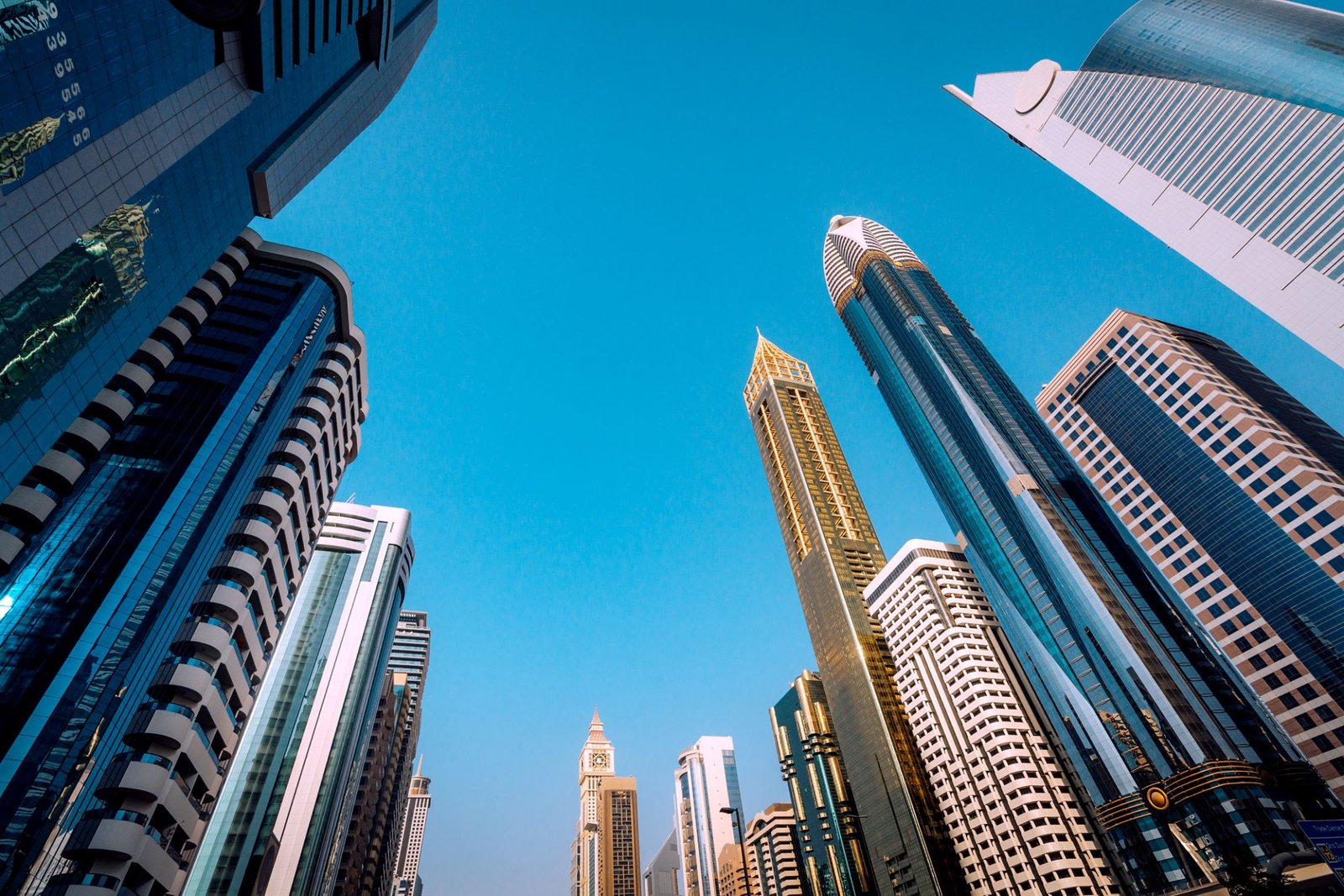
As Dubai’s real estate market matures through 2026—having recorded a staggering $78 billion in transactions during the first half of the year—institutional investors and sovereign wealth funds are executing increasingly rigorous operational due diligence. While the emirate continues to offer highly competitive average residential rental yields of 6.34% to 6.76%, sophisticated investors recognize that gross yields are often deceptive. The most significant threat to a portfolio’s profitability is not market fluctuation, but “yield leakage”—the gradual erosion of Net Operating Income (NOI) caused by fragmented, inefficient property operations.
Yield leakage occurs when the physical maintenance of an asset is disconnected from its financial governance and tenant relations. In high-density towers and master-planned communities, bridging this operational divide through unified asset stewardship is the only way to safeguard institutional capital and lock in premium returns.
The Cost of Fragmented Operations
In a traditional real estate operational model, responsibilities are siloed. A leasing broker handles tenant placements, a separate facility management company executes reactive repairs, and an isolated Owners Committee manages the building’s service charges. This fragmentation creates immediate financial friction:
-
Misaligned CapEx and OpEx: Facility managers may repeatedly patch failing chiller equipment under their operational expenditure (OpEx) budget, artificially inflating shared utility costs. Meanwhile, the Owners Committee delays deploying capital expenditure (CapEx) from the reserve fund to replace the equipment, prioritizing short-term service charge suppression over long-term asset health.
-
Tenant Frustration: When a tenant reports an in-unit leak that stems from a common-area riser pipe, jurisdictional disputes between unit property managers and community association managers delay the repair. The tenant experiences severe friction and ultimately vacates at the end of their lease.
-
Data Silos: Investors receive disconnected reports—one detailing rent collection, another detailing community service charges—making it impossible to accurately calculate the true net yield of the asset.
In a market transitioning from a supply deficit to abundant choice, tenants will not tolerate this operational friction. Affluent expatriates and corporate occupiers demand a seamless, hospitality-grade residential experience.
The Unified Stewardship Model
To eliminate yield leakage, elite asset owners are consolidating their operations under a unified stewardship model. Engaging a comprehensive institutional operator like KAIZEN AMS bridges the critical gap between Property Management and Owners Association Management.
When the entity managing the individual tenant is also responsible for the governance of the wider community, operational friction disappears. Dedicated managers can seamlessly coordinate in-unit maintenance with common-area facility schedules. This holistic oversight ensures that proactive maintenance strategies—such as utilizing IoT sensors and predictive thermal diagnostics on heavy mechanical equipment—benefit both the community’s shared utility bills and the individual unit owner’s net margin.
Precision in RERA-Compliant Financial Governance
The structural solvency of Dubai’s Jointly Owned Properties (JOP) relies entirely on stringent, data-driven governance. Under the regulatory framework established by the Real Estate Regulatory Agency (RERA), maintaining a fully capitalized sinking fund via the Mollak portal is a non-negotiable statutory requirement.
Unified asset managers conduct rigorous lifecycle engineering audits to model precise, inflation-adjusted reserve fund requirements. By managing transparent, competitive vendor procurement, they eliminate wasteful spending in communal service contracts. This ensures that the building’s reserve fund is adequately capitalized to replace aging infrastructure without ever resorting to emergency special levies. For institutional buyers, a building that demonstrates this level of unified financial discipline commands a compressed capitalization rate and premium resale liquidity on the secondary market.
Sustaining the “Green Premium”
Environmental efficiency is a highly priceable metric in 2026. Buildings that boast LEED or WELL certifications command rental premiums from multinational corporate tenants and reduce their baseline utility consumption. However, sustaining these green credentials requires continuous, unified operational calibration.
If variable frequency drives (VFDs) on a chilled water network are not actively monitored and adjusted, the projected energy savings rapidly evaporate. Unified asset managers leverage smart sub-metering and dynamic Building Management Systems (BMS) to align daily operations with the UAE’s Net Zero 2050 targets. By permanently lowering the building’s carbon footprint and energy draw, they directly reduce the service charge burden on property owners, permanently protecting the asset’s net yield.
Conclusion
The evolution of Dubai’s 2026 real estate sector heavily penalizes passive, fragmented ownership. With global capital flowing into the emirate at record levels, the differentiation between an average investment and a high-performing financial vehicle lies entirely in operational execution. By adopting a unified approach that combines predictive engineering, seamless tenant relations, and uncompromising statutory governance, property owners can permanently seal yield leaks and transform their assets into resilient, institutional-grade portfolios.