How Do You Choose Wedding Venues for Winter That Actually Work?
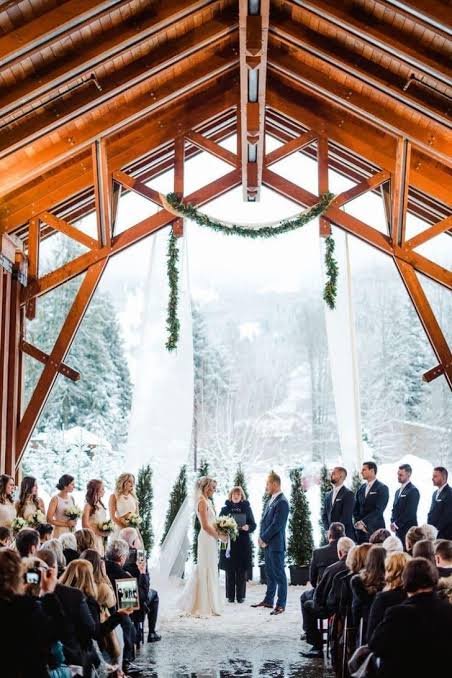
Introduction
A winter wedding can be spectacular: candlelight, deep colors, and a cozy mood that summer dates rarely match. The catch is that the season adds variables you can’t control, including snow, early sunsets, and travel delays. Choosing among wedding venues for winter takes a different checklist than choosing for spring or fall. Here is how to evaluate your options with the weather in mind.
Why Venue Choice Matters More in Winter
In warm months, a patio or garden can absorb overflow and bad planning. In winter, every guest spends the whole event under one roof. That makes room flow, heating, lighting, and parking more important than the décor. A venue that photographs well but has drafty doors or a single narrow entrance can turn a beautiful day into a long one.
What to Look for in Wedding Venues for Winter
Reliable Heating and Comfort
Ask how the space is heated and whether the system can handle a full guest count. Large rooms with high ceilings can feel chilly even with the heat on. Ask where the vents and entrances are, since a door that opens every few minutes near the dining tables will chill everyone seated close by. A clear coat check or a coat room also keeps bulky outerwear from crowding the aisles.
Natural Light and Timing
In much of the United States, winter sunset can arrive before 5 p.m., depending on your latitude. If you want daylight photos, plan an early ceremony, then use the venue’s interior for portraits afterward. Rooms with large windows, a lobby, or a well-lit staircase give your photographer options when it is dark outside.
Layout That Doesn’t Depend on the Outdoors
Count the spaces. A winter wedding indoors works best when the ceremony, cocktail hour, dinner, and dancing can each have a distinct area, even if they share one building. Without that separation, guests may sit in the same chairs for hours. Ask whether the staff can flip the room during cocktail hour, and whether a second space exists for mingling.
Venue Types That Suit the Season
Historic Buildings and Hotels
Ballrooms, restored mansions, and hotel venues are built for year-round use. Heating, restrooms, coat storage, and on-site lodging are usually part of the package. Lodging is especially useful if guests travel in from out of town and don’t want to drive on icy roads after the reception.
Lodges, Barns, and Rustic Spaces
Many converted barns and mountain lodges look wonderful in winter, with exposed beams and fireplaces. Check whether they are fully insulated and winterized, because some are designed mainly for summer use. A fireplace adds charm, but it should not be the primary heat source for a full guest list.
Museums, Restaurants, and Galleries
These venues often offer good lighting, built-in catering, and a ready-made atmosphere that needs little decoration. The trade-off is that capacity and schedules can be limited. Confirm what the contract allows for music, décor, and vendor access.
Planning a Winter Wedding Indoors Without Losing the Magic
A winter wedding indoors doesn’t have to feel closed in. A few choices make the room feel intentional rather than boxed in:
- Layered lighting: Candles, string lights, and uplighting add warmth and depth to the room.
- Seasonal décor: Evergreen, dried florals, velvet, and warm metallics fit the season without heavy decoration.
- Statement entrances: Greenery, draping, or a lit archway can turn an ordinary doorway into a focal point.
- Warm menu choices: Hot appetizers, soups, and a signature warm drink can make guests feel welcome from the first minute.
Practical Details That Are Easy to Overlook
Weather Contingency Planning
Ask about the venue’s policy if a storm hits. Some venues have a flexible rescheduling clause, while others do not. Wedding insurance is one option for covering weather-related cancellations, though policies differ, so read the exclusions carefully before buying.
Guest Travel and Parking
Check whether the lot is plowed and lit, and whether shuttle service is available. If most guests are flying in, hold a room block at a nearby hotel. Share your plan in the invitation so people know what to expect and can dress appropriately.
Vendor Timing
Photographers, florists, and rental companies may need extra time for load-in during snowy weather. Build buffer time into the schedule and confirm that vendors have a backup plan if roads are closed.
Comparing Your Options
When you compare wedding venues for winter, request a site visit during the cold months if you can. Seeing the room in January tells you more than a summer photo gallery will. Reviewing a venue’s own listings of spaces, capacities, and packages
Final Thoughts
The best winter venue is not necessarily the most dramatic one. It is the place that keeps guests warm, gives your photographer good light, and makes the day run smoothly if the weather changes. Start with practical questions about heating, layout, parking, and backup plans, then let the style and décor follow. With the right foundation, a cold-season wedding can feel relaxed, intimate, and memorable.