What to Do When Your Garage Door Gets Stuck Halfway in Clearwater

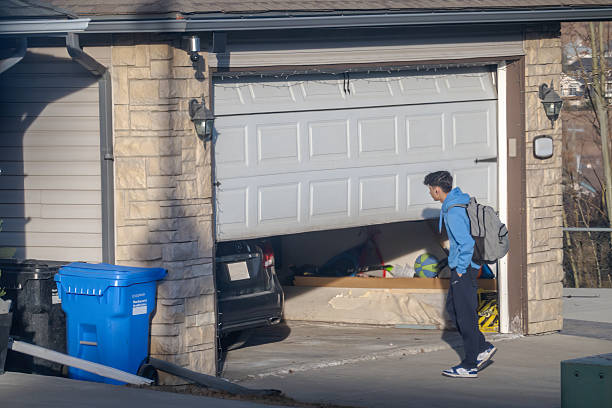
A garage door that gets stuck halfway can quickly become a frustrating problem for homeowners. You might be trying to leave for work, return home after a long day, or secure your belongings for the night when the door suddenly stops moving. In Clearwater, Florida, changing weather conditions, everyday wear and tear, and mechanical issues can all contribute to garage door problems.
When your garage door refuses to open or close completely, it is important to understand what might be causing the issue and how to respond safely. While some problems can be identified through a simple visual inspection, others require professional attention to prevent further damage.
Phil’s Garage Doors provides garage door repair and maintenance services for homeowners in Clearwater and surrounding communities. Knowing when to stop troubleshooting and contact an experienced technician can help protect your property and restore normal operation.
Why Does a Garage Door Get Stuck Halfway?
A garage door relies on several interconnected components to open and close smoothly. The opener, springs, cables, rollers, tracks, and safety sensors must work together. If one component develops a problem, the entire system may stop functioning correctly.
Here are some common reasons a garage door gets stuck halfway.
1. Misaligned or Obstructed Safety Sensors
Most modern garage doors have safety sensors near the bottom of the tracks. These sensors detect objects in the door’s path and help prevent accidental closure.
If the sensors become dirty, blocked, or misaligned, the door may refuse to close or reverse direction. Dust, leaves, spiderwebs, and other debris can interfere with the sensor beam.
Check whether anything is blocking the sensors and gently clean their lenses with a soft, dry cloth. Make sure both sensors appear properly aligned. If the problem continues, the wiring or sensors may need professional inspection.
2. Broken or Worn Garage Door Springs
Garage door springs counterbalance the weight of the door, allowing it to move with the assistance of the opener. Over time, these springs experience significant stress and may eventually break or lose their effectiveness.
A damaged spring can cause the door to stop halfway, move unevenly, or feel unusually heavy. You may also hear a loud bang when a spring breaks.
Spring problems are not suitable for do-it-yourself repairs. These components are under substantial tension and can cause serious injuries if handled incorrectly. Stop operating the door and arrange professional Garage Door Repair.
3. Damaged or Misaligned Tracks
The metal tracks guide the garage door as it moves between the open and closed positions. If a track becomes bent, loose, or misaligned, the rollers may struggle to move along it.
You might notice grinding noises, jerky movement, or visible gaps between the rollers and tracks. Dirt and debris can also interfere with smooth operation.
Avoid forcing the door past a damaged section. Continuing to operate it may damage the rollers, tracks, panels, or opener. A technician can inspect the track alignment and determine which components need adjustment or replacement.
4. Garage Door Opener Problems
Sometimes the problem is not with the door itself but with the opener. Electrical issues, worn internal components, incorrect travel settings, or an aging motor can prevent the door from completing its movement.
Start by checking whether the opener has power. If the wall control works inconsistently, the remote batteries are fresh, and the door still stops at the same point, the opener may need further inspection.
Do not repeatedly activate the opener if the door is struggling. The additional strain can worsen an existing mechanical problem.
5. Worn Rollers and Insufficient Lubrication
Garage door rollers help the door travel along the tracks. Over time, rollers can wear out, become noisy, or develop movement problems. Hinges and other moving parts may also become stiff when they lack appropriate lubrication.
If the door moves slowly or stops intermittently, worn rollers or friction between moving components could be contributing factors.
A routine inspection can help identify worn parts before they cause a more serious interruption.
What Should You Do When Your Garage Door Stops Halfway?
When your garage door becomes stuck, your first priority should be safety. Follow these steps to assess the situation without putting yourself or others at risk.
Step 1: Stop Operating the Door
If the garage door stops unexpectedly, avoid pressing the remote or wall button repeatedly. Repeated attempts can strain the opener and may cause additional damage.
If the door is crooked, hanging unevenly, or making unusual grinding or popping sounds, stop using it altogether.
Keep children, pets, and other household members away from the affected area.
Step 2: Check for Visible Obstructions
Look around the bottom of the door, the tracks, and the safety sensors for visible debris or objects. Remove loose items from the door’s path only when doing so is safe.
Do not place your hands between door panels, rollers, tracks, or other moving components. If the door appears unstable or under tension, do not attempt to move it manually.
Step 3: Inspect the Safety Sensors
If the door will not close, check whether the sensor lenses are dirty or something is blocking their path. Clean the lenses gently and look for obvious alignment problems.
You can also check whether the sensor indicator lights appear normal for your model. Consult the opener’s manual for the meaning of the indicators.
If cleaning does not solve the problem, the issue may involve the sensor wiring, electrical connections, or another component.
Step 4: Check the Power Supply
If the garage door opener is unresponsive, check whether its power connection is secure and whether the circuit breaker has tripped. Only inspect accessible electrical components without opening the motor housing or touching exposed wiring.
If the breaker trips repeatedly, leave the system switched off and contact a qualified professional.
Step 5: Avoid Forcing the Door Open or Closed
A stuck garage door can be extremely heavy, particularly when its springs or cables are damaged. Trying to lift it manually or forcing it downward may cause the door to fall unexpectedly.
Do not attempt to release the emergency mechanism while the door is partially open unless a qualified technician has confirmed that it is safe to do so. The door may lose its support and drop.
If your garage contains a vehicle, use another exit if possible rather than risking injury or further damage.
Step 6: Contact a Garage Door Professional
If the door remains stuck after basic visual checks, professional assistance is the safest next step. A trained technician can inspect the opener, springs, cables, tracks, rollers, and safety systems to identify the underlying cause.
For homeowners who need Garage Door Services in Clearwater, Phil’s Garage Doors can help assess garage door problems and determine the appropriate repair.
How Clearwater’s Weather Can Affect Garage Door Performance
Clearwater’s coastal Florida climate can create additional challenges for garage door systems. Humidity, rain, salt in the air, and seasonal storms can affect different components over time.
Moisture may contribute to corrosion on exposed metal parts, especially when protective coatings wear down. Corrosion can affect hinges, fasteners, tracks, and other hardware. Wind-driven debris may also interfere with the door’s movement or damage its exterior.
Temperature and humidity changes can affect certain materials and contribute to the gradual wear of seals and other components.
Regular maintenance helps homeowners identify these issues early. Inspecting visible hardware, keeping the tracks clear, and arranging professional servicing when unusual noises or movement appear can help reduce the risk of unexpected problems.
How to Prevent Your Garage Door from Getting Stuck Again
Preventive maintenance is one of the best ways to reduce the likelihood of a garage door becoming stuck halfway. A consistent inspection routine can help reveal wear before it leads to a breakdown.
Keep the Tracks Clean
Check the tracks periodically and remove loose dirt or debris that may interfere with the rollers. Avoid bending the tracks or attempting to adjust their mounting hardware yourself.
Listen for Unusual Noises
Grinding, squeaking, popping, or scraping sounds can indicate developing mechanical problems. Addressing these warning signs early may prevent more extensive damage.
Inspect the Door’s Movement
Observe the door as it opens and closes. It should move smoothly without shaking, becoming crooked, or stopping unexpectedly. If its movement changes, schedule an inspection.
Lubricate Appropriate Moving Parts
Use a garage door lubricant recommended by the manufacturer on suitable moving components. Avoid applying lubricant indiscriminately to the tracks, as this can attract dirt and debris.
Test Safety Features Carefully
Follow the manufacturer’s instructions for testing the photoelectric sensors and automatic reversal system. If a safety feature does not operate correctly, stop using the door until it has been repaired.
Schedule Routine Professional Maintenance
A professional inspection can identify worn rollers, loose hardware, spring problems, cable damage, and opener issues that may not be obvious during everyday use.
Homeowners can use this Garage Door Maintenance Checklist for Homeowners to learn more about routine upkeep and the warning signs that deserve attention.
When Is Professional Garage Door Repair Necessary?
Not every garage door issue requires extensive repairs, but certain symptoms should never be ignored. Contact a professional if you notice a broken spring, frayed cable, bent track, damaged roller, hanging door panel, or opener that struggles to lift the door.
Professional help is also appropriate when the door repeatedly stops at the same point, moves unevenly, reverses unexpectedly, or becomes unusually loud during operation.
If the door is stuck halfway, do not leave it in an unstable position or assume it will remain there safely. Keep the area clear and arrange an assessment as soon as possible.
An experienced technician can determine whether the problem requires an adjustment, component replacement, opener repair, or more extensive service. Addressing the cause rather than repeatedly restarting the door can help prevent the same issue from returning.
Choose Phil’s Garage Doors for Service in Clearwater
A garage door that gets stuck halfway can disrupt your routine and compromise the security of your home. Whether the problem involves the safety sensors, opener, tracks, rollers, or springs, identifying the cause is essential for restoring safe operation.
Phil’s Garage Doors offers garage door installation, repair, and maintenance services for residential and commercial customers in Clearwater and surrounding areas. Professional assistance can help homeowners address existing problems, identify worn components, and keep their garage door systems operating as intended.
If your garage door is stuck, avoid forcing it or attempting repairs involving high-tension components. Start with simple visual checks when safe, then seek professional help if the problem persists.
Visit the Garage Door Services in Clearwater page to learn more about available services and get assistance with your garage door concerns.
Conclusion
When your garage door gets stuck halfway in Clearwater, the cause could be anything from a blocked safety sensor to a damaged spring or malfunctioning opener. Stopping the door, checking for visible obstructions, and avoiding unsafe adjustments are sensible first steps.
Regular maintenance can help reduce unexpected breakdowns, while professional repairs address mechanical problems that should not be handled without the proper training and equipment.
For help restoring your garage door’s operation, Phil’s Garage Doors can assist with identifying the problem and recommending an appropriate solution. Taking action early can help protect your property, improve safety, and keep your garage door working smoothly.