Tips for Maintaining Healthy Eyes as You Age
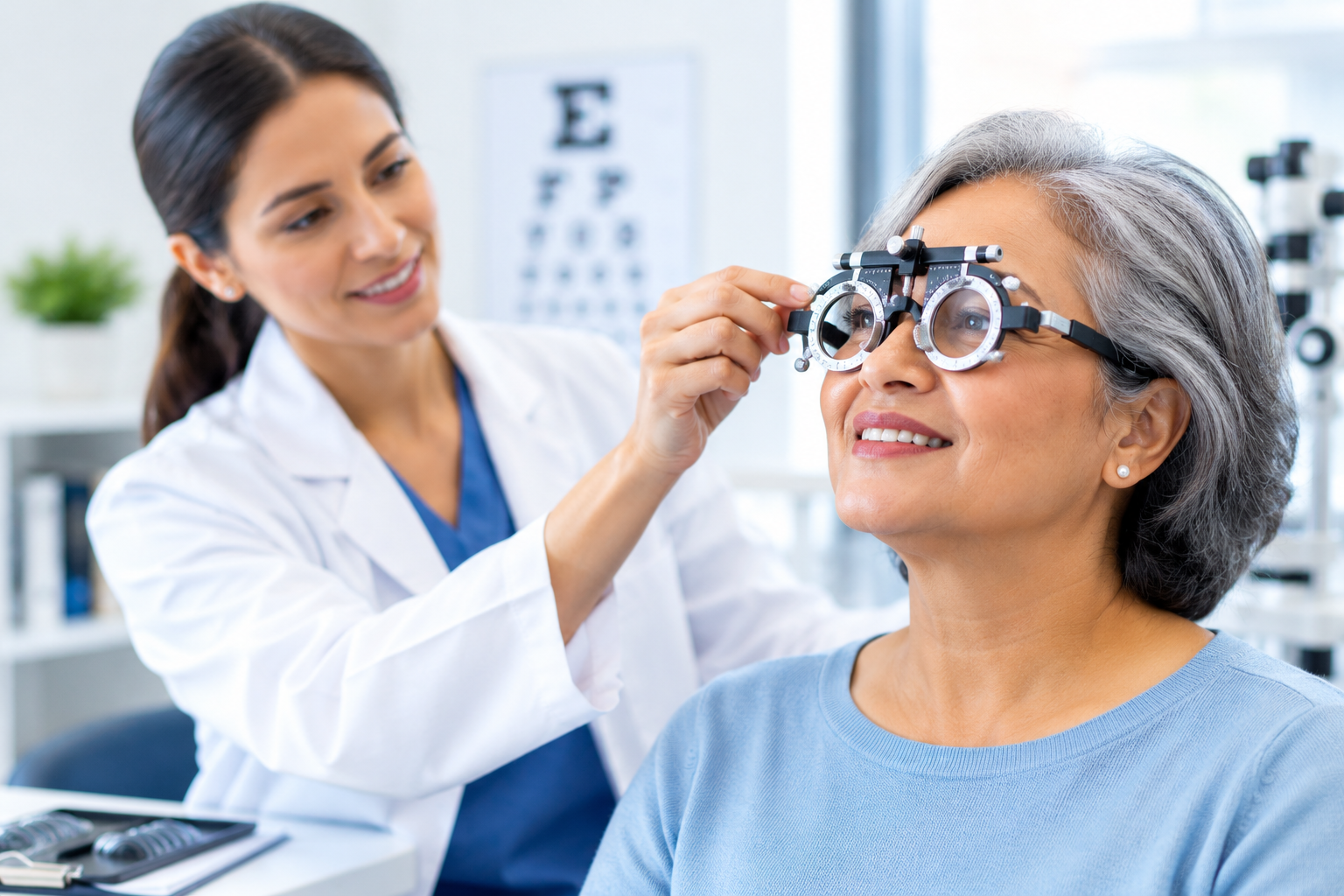
As people grow older, changes in vision and eye health become increasingly common. Tasks such as reading small print, driving at night, or focusing on nearby objects may become more challenging. Although some vision changes are a normal part of aging, others may indicate an underlying eye condition that needs medical attention.
Maintaining healthy eyes involves more than wearing glasses when needed. Regular eye examinations, balanced nutrition, healthy lifestyle habits, and protection from environmental factors can all support long-term vision. By taking proactive steps, adults can help protect their eyesight and identify potential problems before they significantly affect daily life.
1. Schedule Regular Comprehensive Eye Exams
Regular eye examinations are among the most important steps for protecting vision as you age. Some eye conditions, including glaucoma and certain retinal disorders, can develop without noticeable symptoms during their early stages.
A comprehensive eye exam allows an eye care professional to assess visual sharpness, examine relevant eye structures, and identify possible signs of disease. The recommended frequency of examinations depends on age, medical history, family history, symptoms, and individual risk factors.
Adults with diabetes, high blood pressure, a family history of eye disease, or existing vision problems may need more frequent monitoring. Ask your eye care professional how often you should schedule examinations based on your circumstances.
2. Eat a Balanced, Nutrient-Rich Diet
Healthy eating supports overall well-being, including eye health. A balanced diet can provide nutrients that help maintain the normal function of the eyes and support general health as you age.
Include a variety of leafy green vegetables, colourful fruits, beans, whole grains, nuts, and other nutritious foods in your meals. Fish containing omega-3 fatty acids can also be part of a balanced eating pattern.
Carrots contain beta-carotene, which the body can convert into vitamin A, an essential nutrient for normal vision. However, no single food can prevent every age-related eye condition. A varied diet is generally preferable to relying on one food or taking supplements without professional advice.
3. Protect Your Eyes From Harmful Sunlight
Long-term exposure to ultraviolet (UV) radiation may contribute to certain eye problems. Taking precautions outdoors can help reduce unnecessary exposure.
Wear sunglasses that provide 100% UVA and UVB protection when spending time outside. Wraparound styles may offer additional coverage from sunlight entering around the sides. A wide-brimmed hat can provide further protection on sunny days.
Remember that UV exposure can occur throughout the year, not only during summer. Choosing appropriate eye protection whenever you spend extended periods outdoors is a useful habit at any age.
4. Manage Chronic Health Conditions
Conditions such as diabetes and high blood pressure can affect the blood vessels and structures inside the eyes. Poorly controlled diabetes, for example, can lead to diabetic retinopathy, which may damage the retina and threaten vision.
Follow your healthcare professional’s recommendations for managing existing conditions. This may include monitoring blood glucose, controlling blood pressure, taking prescribed medications, maintaining a balanced diet, and staying physically active.
People living with diabetes should follow the recommended schedule for diabetic eye examinations, even when their vision appears normal. Early detection and appropriate management can help reduce the risk of serious complications.
5. Reduce Digital Eye Strain
Although aging can make close-up tasks more difficult, prolonged screen use may also contribute to temporary eye discomfort, dryness, headaches, and blurred vision.
To make screen use more comfortable, follow the 20-20-20 rule: every 20 minutes, look at something approximately 20 feet away for at least 20 seconds. Adjust screen brightness, reduce glare, and position your monitor at a comfortable distance.
Remember to blink regularly, especially when concentrating on a screen. If dryness or blurred vision continues, consult an eye care professional rather than assuming that screen use is the only cause.
6. Avoid Smoking and Maintain Healthy Habits
Smoking is associated with an increased risk of several serious eye conditions, including cataracts and age-related macular degeneration. Avoiding tobacco and seeking help to stop smoking can support eye health alongside many other health benefits.
Regular physical activity, sufficient sleep, and a balanced lifestyle also contribute to general well-being. Exercise may help support the management of conditions such as high blood pressure and diabetes, which can influence eye health.
These habits cannot eliminate every risk of age-related vision problems, but they form an important part of a broader approach to healthy aging.
7. Recognise Vision Changes and Warning Signs
Do not ignore changes such as persistent blurred vision, difficulty seeing at night, increasing sensitivity to light, or trouble reading. An eye care professional can determine whether these symptoms are related to a routine vision change or an underlying condition.
Some symptoms require urgent medical attention. Sudden vision loss, new flashes of light, a sudden increase in floaters, or a curtain-like shadow across your vision may indicate a serious problem. Seek urgent eye care if these occur.
Early evaluation can be important for protecting vision and determining the appropriate next steps.
Find Expert Eye Care Services in the Bronx
As vision needs change with age, regular professional eye care can help adults monitor their eyesight and address emerging concerns. Magnet Health NY provides healthcare services for patients in the Bronx. Exploring Expert Eye Care Services in Bronx NY can help you learn about available care options, discuss vision changes with a qualified professional, and understand which examinations may be appropriate for your individual needs.
Conclusion
Maintaining healthy eyes as you age requires consistent attention to preventive care and everyday habits. Regular eye examinations, nutritious meals, UV protection, management of chronic conditions, reduced digital eye strain, and avoiding smoking can all contribute to better overall eye health.
Not every age-related vision change can be prevented, but recognising symptoms and seeking timely medical advice can help identify problems early. Work with a qualified eye care professional to establish an examination schedule suited to your needs and take practical steps to support healthy vision throughout life.