How Wall Name Plates Printing Dubai Shapes Professional and Personal Spaces
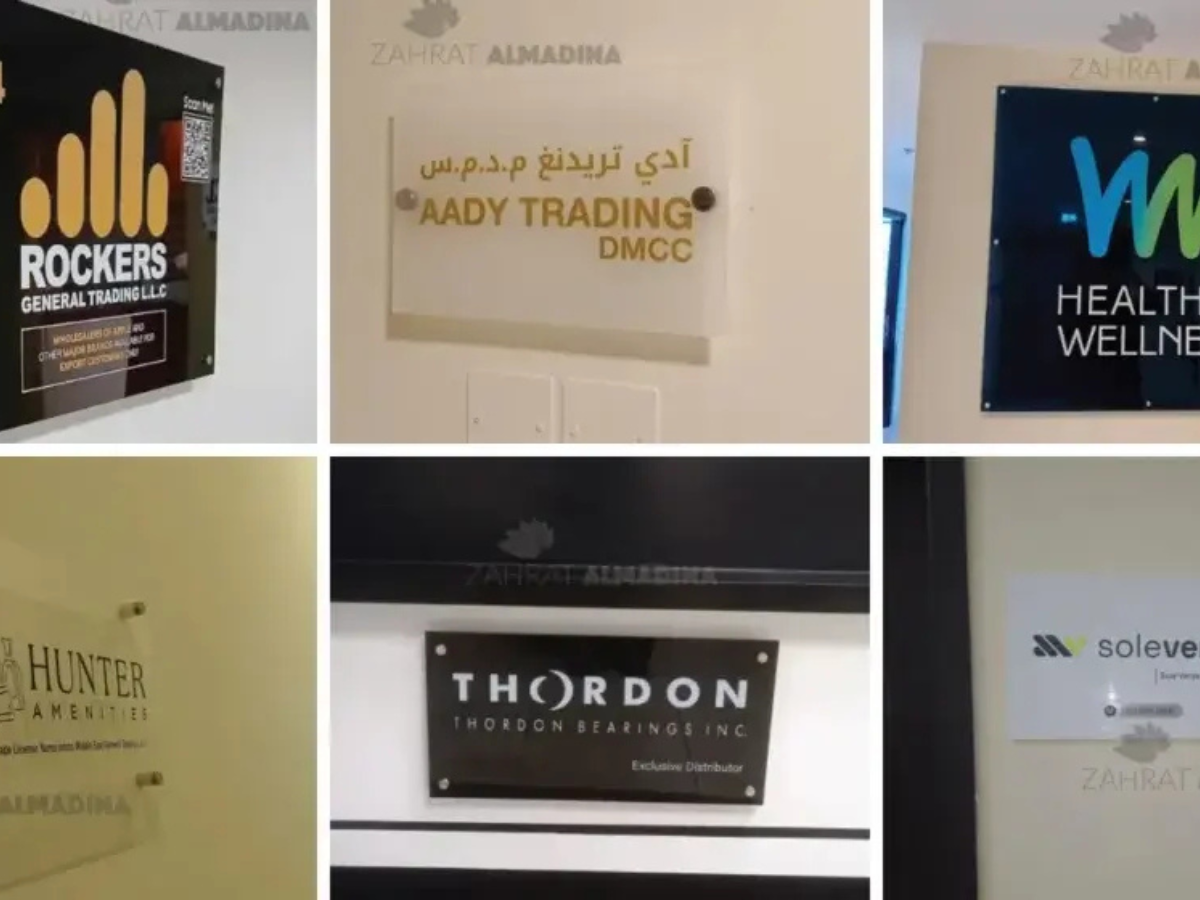
A name displayed on a wall does more than identify a person, room or business. It helps visitors understand where they are, gives a space a more organised appearance and can contribute to the overall design of an interior. In homes, offices, clinics, hotels and commercial buildings, wall name plates printing Dubai is used to create clear identification signs that suit different environments. The right combination of material, lettering, colour and placement can make a name plate both practical and visually appealing.
1. Understanding Wall Name Plates Printing Dubai
Wall name plates are signs fixed to walls, doors or other suitable surfaces to display names, room numbers, job titles, company details or directions. Unlike temporary labels, they are usually designed to remain in place for a long period.
The printing and production process depends on the material and the intended use. Some plates feature printed text directly on a flat surface, while others use engraved lettering, raised acrylic characters or layered designs. Each method creates a different appearance and offers different levels of durability.
For example, a small office may use individual plates outside meeting rooms to identify departments. A residential building might display family names near the entrance, while a medical centre may use separate plates for consultation rooms and staff offices.
The main purpose is to make information easy to recognise without making the surrounding space look crowded.
2. Choosing the Right Material for a Wall Name Plate
Material selection affects the appearance, weight, maintenance and expected lifespan of a name plate. Before choosing a design, it is useful to consider where the plate will be installed and how frequently people will interact with it.
Acrylic
Acrylic is widely used because it has a smooth surface and can be produced in different colours, thicknesses and shapes. It works well in modern offices, reception areas, apartments and retail spaces.
Clear acrylic can create a clean, glass-like appearance, while coloured sheets provide more contrast. Printed graphics, vinyl lettering and raised characters can also be added to achieve different styles.
Acrylic is particularly useful when the design includes a company logo or several lines of text. However, the surface should be cleaned with a soft cloth to avoid scratches.
Stainless Steel
Stainless steel is suitable for spaces that require a formal and durable appearance. It is commonly used for office entrances, professional buildings, hotel rooms and executive areas.
The surface may have a brushed, polished or coated finish. Engraved or raised lettering can improve readability and give the plate a more permanent appearance.
Although stainless steel is generally durable, fingerprints and dust can become visible on certain finishes. Regular cleaning helps maintain its appearance.
Aluminium
Aluminium offers a lightweight alternative to heavier metal plates. It can be cut into different shapes and finished in several colours, making it suitable for offices, commercial buildings and industrial environments.
Printed or engraved information can be added depending on the production method. Its relatively low weight also makes installation easier in many situations.
Wood and Other Decorative Materials
Wooden name plates are often selected for homes, private offices and hospitality interiors. Natural grain patterns provide a warm appearance that may suit traditional or contemporary decoration.
Other options include laminated boards, PVC and composite panels. These materials can be useful when the project has a specific budget or design requirement.
3. Where Wall Name Plates Are Commonly Used
The best design depends on the location and the people who need to read the information. A plate that works well in a private office may not be suitable for a busy hospital corridor.
Homes and Residential Buildings
At home, a name plate may display a family name, apartment number or house name near the main entrance. Some homeowners prefer simple lettering, while others choose decorative borders, symbols or a combination of materials.
In apartment buildings, consistent numbering helps residents, delivery staff and visitors identify the correct unit. Plates should be positioned where they are easy to see without obstructing door handles, security equipment or other fittings.
Corporate Offices
Business premises often use name plates to identify employees, departments, meeting rooms and management offices. A consistent design across the building creates a more organised appearance.
For example, a company with several departments might use matching plates with different names and room numbers. The same layout can be repeated throughout the office, making it easier for employees and visitors to locate the correct area.
Clinics and Healthcare Facilities
Hospitals, clinics and medical centres depend on clear identification. Plates may display doctor names, consultation room numbers, laboratory details and administrative departments.
Readability is especially important in healthcare settings because visitors may be unfamiliar with the building. Large, clear lettering and good contrast can reduce confusion.
Hotels and Commercial Properties
Hotels use identification plates for guest rooms, staff-only areas, service rooms and facilities. Retail outlets may display office names, staff designations or department information.
In these locations, the design should match the interior while remaining easy to understand from a normal viewing distance.
4. Design Features That Improve Readability
An attractive plate is not necessarily a useful one. If the letters are too small or the colours blend into the background, visitors may struggle to read the information.
Several design choices can improve the final result.
- Font selection: Simple fonts are generally easier to read than highly decorative lettering.
- Text size: Letter height should suit the viewing distance and the amount of information displayed.
- Colour contrast: Dark text on a light background or light text on a dark background can improve visibility.
- Spacing: Adequate space between letters and lines prevents the design from looking crowded.
- Layout: Names, titles and room numbers should follow a clear visual order.
- Logo placement: A logo should support the information rather than compete with the main text.
For instance, a small plate outside a manager’s office may need only a name and job title. Adding several decorative elements could make the information harder to read.
5. Printing and Production Methods
Different production methods create different finishes. The choice depends on the material, design complexity, installation location and expected use.
Direct Printing
Direct printing places text or graphics onto a suitable material. It can reproduce logos, coloured designs and detailed artwork. This method is useful when a plate needs more than simple lettering.
UV printing is one option for suitable flat surfaces. It can produce detailed graphics and is commonly considered for acrylic and other compatible boards.
Vinyl Lettering
Vinyl lettering uses cut adhesive film to display names, numbers or other information. It is often used for simple designs and can be applied to acrylic, glass and selected metal surfaces.
The quality of the film and the condition of the surface affect how well the lettering remains attached. Proper cleaning and application are important.
Engraving
Engraving creates text or patterns directly on the material. It is often chosen for metal plates and other surfaces where a permanent finish is preferred.
Depending on the material, engraved areas may be left as they are or filled with colour to improve contrast.
Raised Lettering
Raised lettering gives the text a three-dimensional appearance. Individual characters may be fixed to a flat backing board, creating depth and a more noticeable visual effect.
This approach is often used for reception areas, executive offices and building entrances where the sign forms part of the interior design.
6. How to Select a Custom Name Plate for Different Requirements
A custom name plate should reflect the information being displayed and the environment in which it will be installed. A design selected only for its appearance may not meet practical requirements.
For a home entrance, the focus may be on family names, decorative style and weather resistance. For an office, the priorities may include consistent branding, clear employee details and easy replacement when staff roles change.
Before confirming the design, consider the following points:
- Purpose: Decide whether the plate will display a personal name, company name, room number or department.
- Location: Identify whether it will be installed indoors or outdoors.
- Dimensions: Measure the available wall space and check the distance from which people will read it.
- Material: Select a surface that suits the environment and maintenance requirements.
- Fixing method: Choose suitable screws, spacers, adhesive or mounting hardware.
- Future changes: Consider whether names or other details may need updating later.
For a business with multiple rooms, preparing a list of all names and room numbers before production can prevent spelling mistakes and inconsistent layouts.
7. Benefits of Well-Planned Wall Name Plates
A properly designed plate offers several practical advantages beyond displaying a name.
Easier Navigation
Visitors can identify offices, departments and rooms without repeatedly asking for directions. This is useful in large buildings where several businesses or departments operate on the same floor.
A More Organised Appearance
Matching plates help create visual consistency. When the same material, font and layout are used throughout a building, the interior appears more structured.
Clear Identification
Employees, customers, delivery staff and visitors can recognise the correct location more easily. This is particularly helpful in clinics, educational institutions and commercial properties.
Design Flexibility
Plates can be produced in different sizes, colours and shapes. This allows property owners and businesses to select a style that suits the interior rather than relying on a standard format.
Long-Term Practical Value
A durable plate can remain useful for years when the material and fixing method are appropriate for the location. The expected lifespan still depends on exposure, handling and maintenance.
8. Installation and Maintenance Considerations
Even a well-produced plate can look untidy if it is installed incorrectly. The mounting method should match the material, plate weight and wall surface.
Lightweight plates may be suitable for strong adhesive mounting, provided the wall is clean, dry and compatible with the adhesive. Heavier metal or layered acrylic plates may require screws, wall plugs or stand-off fittings.
Before installation, check the following:
- Measure the height and position carefully.
- Make sure the plate is level.
- Check for electrical cables or pipes before drilling.
- Use fixing hardware suitable for the wall material.
- Avoid placing signs where doors or furniture may damage them.
- Confirm that the text remains visible under normal lighting.
Maintenance is usually straightforward. Dust can be removed with a soft, dry or slightly damp cloth. Acrylic surfaces should not be cleaned with rough materials or harsh chemicals that may cause scratches or damage. Metal plates should be cleaned according to their finish to prevent marks from building up.
Outdoor plates need additional attention because sunlight, rain, humidity and dust can affect colours, coatings and adhesives. Selecting a suitable material and finish at the beginning can reduce maintenance problems.
For businesses managing several offices or branches, maintaining a record of plate dimensions, materials and artwork makes future replacements easier. Companies such as Zahrat Al Madina Printing are among the Dubai-based printing businesses associated with the production of different signage and identification materials, including name plates.
9. Common Mistakes to Avoid Before Ordering
Small design or production errors can affect the usefulness of a name plate. Checking the details before manufacturing helps prevent unnecessary replacement costs.
One common mistake is using too much text on a small plate. Long job titles, multiple contact details and decorative messages can make the layout difficult to read. It is better to display only the information that visitors need.
Another issue is selecting a material without considering the installation environment. A decorative indoor board may not be suitable for an exposed outdoor entrance. Similarly, a heavy plate may require stronger wall fixings than initially expected.
Spelling and formatting should also be checked carefully. Names, room numbers, titles and company details must be approved before production begins. If several plates are being ordered together, a final schedule can help ensure that every item contains the correct information.
Finally, avoid choosing a design based only on a small digital preview. Ask for the actual dimensions and consider how the lettering will look from the intended viewing distance.
Conclusion
Wall name plates play an important role in identifying people, rooms and businesses while contributing to the appearance of a building. Their usefulness depends on more than the printed name. Material selection, lettering, colour contrast, dimensions, installation and maintenance all influence the final result.
From residential entrances to corporate offices and healthcare facilities, the most effective designs keep information clear and suit the surrounding environment. By considering the purpose and location before production, property owners and businesses can choose plates that remain practical, readable and visually consistent over time.