Functional Mushroom Coffee: 7 Amazing Benefits to Explore in 2027
Coffee has long been a favorite morning ritual for millions of people across the United States. Whether you enjoy a freshly brewed cup before work or need an afternoon pick-me-up, coffee offers a familiar combination of flavor, warmth, and caffeine. But what if your daily coffee routine could include something different?
That is where functional mushroom coffee comes in.
This increasingly popular beverage combines traditional coffee with extracts or powders from functional mushrooms, such as Lion’s Mane, Chaga, Reishi, and Cordyceps. These mushrooms have a long history of use in traditional wellness practices and are now attracting attention from people interested in alternative coffee blends.
Unlike regular coffee, mushroom coffee introduces additional ingredients that may offer potential wellness benefits. However, it is important to understand what research actually says rather than believing every health claim.
In this guide, we explore seven potential benefits of mushroom coffee, explain its common ingredients, compare it with traditional coffee, and share practical tips for choosing and enjoying the right blend in 2027.
1. What Is Functional Mushroom Coffee?
Functional mushroom coffee is a beverage made by combining regular coffee or coffee extract with mushroom powders or extracts. These ingredients typically come from non-psychedelic mushrooms that are used in food, traditional wellness practices, and dietary supplements.
Unlike psychedelic mushrooms, functional mushrooms do not contain the compounds responsible for hallucinogenic effects.
What Are Functional Mushrooms in Coffee?
Several mushroom varieties are commonly included in coffee blends:
- Lion’s Mane: A distinctive white mushroom studied for its potential relationship with brain health and cognitive function.
- Chaga: A dark, woody mushroom containing antioxidant compounds. It has a history of use in traditional wellness practices.
- Reishi: Sometimes called the mushroom of longevity, Reishi is traditionally used in wellness preparations and is being investigated for its biological properties.
- Cordyceps: A mushroom traditionally used in Asian wellness practices and studied for its possible relationship with exercise performance and energy metabolism.
- Turkey Tail: Contains polysaccharides, including beta-glucans, that have attracted scientific interest for their interactions with the immune system.
These mushrooms are not interchangeable. Each contains different compounds, and research findings for one species cannot automatically be applied to another.
What Makes an Organic Mushroom Functional Blend Coffee Different?
An organic mushroom functional blend coffee combines coffee with mushroom ingredients that are described as functional because of their naturally occurring compounds.
However, organic certification and functional benefits are two different things. Organic certification relates to production standards, while health benefits require scientific evidence.
When comparing products, look for:
- Clearly identified mushroom species.
- Fruiting-body extracts or clearly explained ingredient sources.
- Transparent ingredient quantities.
- Information about extraction methods.
- Independent testing for contaminants.
- Clearly stated caffeine content.
A good product should make it easy to understand exactly what you are drinking.
2. Seven Potential Benefits of Mushroom Coffee
The growing interest in functional mushrooms coffee comes from the possibility of combining familiar coffee enjoyment with additional plant-based and mushroom-derived compounds.
Although early research is interesting, many proposed benefits still require larger human studies. Here are seven areas worth understanding.
Benefit 1: May Support Mental Focus and Cognitive Health
Lion’s Mane is one of the most widely discussed mushrooms in functional coffee.
It contains compounds called hericenones and erinacines, which have attracted scientific interest because of their potential effects on nerve growth pathways.
Some preliminary human research has investigated Lion’s Mane in relation to memory and cognitive performance. However, the available evidence is still limited, and more research is necessary to establish its effectiveness.
For people who spend long hours studying, working, or managing demanding schedules, a coffee blend containing Lion’s Mane may be an interesting option to explore.
Remember that the caffeine in coffee, rather than the mushroom extract, may be responsible for much of the immediate alertness.
Benefit 2: Provides Antioxidant Compounds
Chaga is particularly popular in mushroom coffee because it contains naturally occurring antioxidant compounds.
Antioxidants help protect cells against oxidative stress, which occurs when reactive molecules and the body’s antioxidant defenses become imbalanced.
Chaga has demonstrated antioxidant activity in laboratory research. However, laboratory findings do not establish that drinking Chaga coffee prevents disease or produces measurable health improvements in humans.
If antioxidant-rich ingredients interest you, check the product label to see whether Chaga is actually included and in what form.
Benefit 3: May Complement a Balanced Immune-Supporting Diet
Some functional mushrooms contain beta-glucans and other polysaccharides that interact with immune-system pathways.
Chaga, Turkey Tail, and Reishi are among the mushrooms studied for these properties.
However, there is an important difference between demonstrating an interaction in laboratory research and proving that a particular coffee improves immunity in people.
Mushroom coffee should therefore be viewed as a possible addition to a balanced diet, not a replacement for nutritious meals, adequate sleep, vaccination, or medical care.
Benefit 4: Offers an Alternative Caffeine Experience
One reason people explore mushroom coffee is to find a coffee option with a different caffeine level.
Some blends contain substantially less caffeine than conventional brewed coffee. This can appeal to people who enjoy coffee but prefer a smaller caffeine serving.
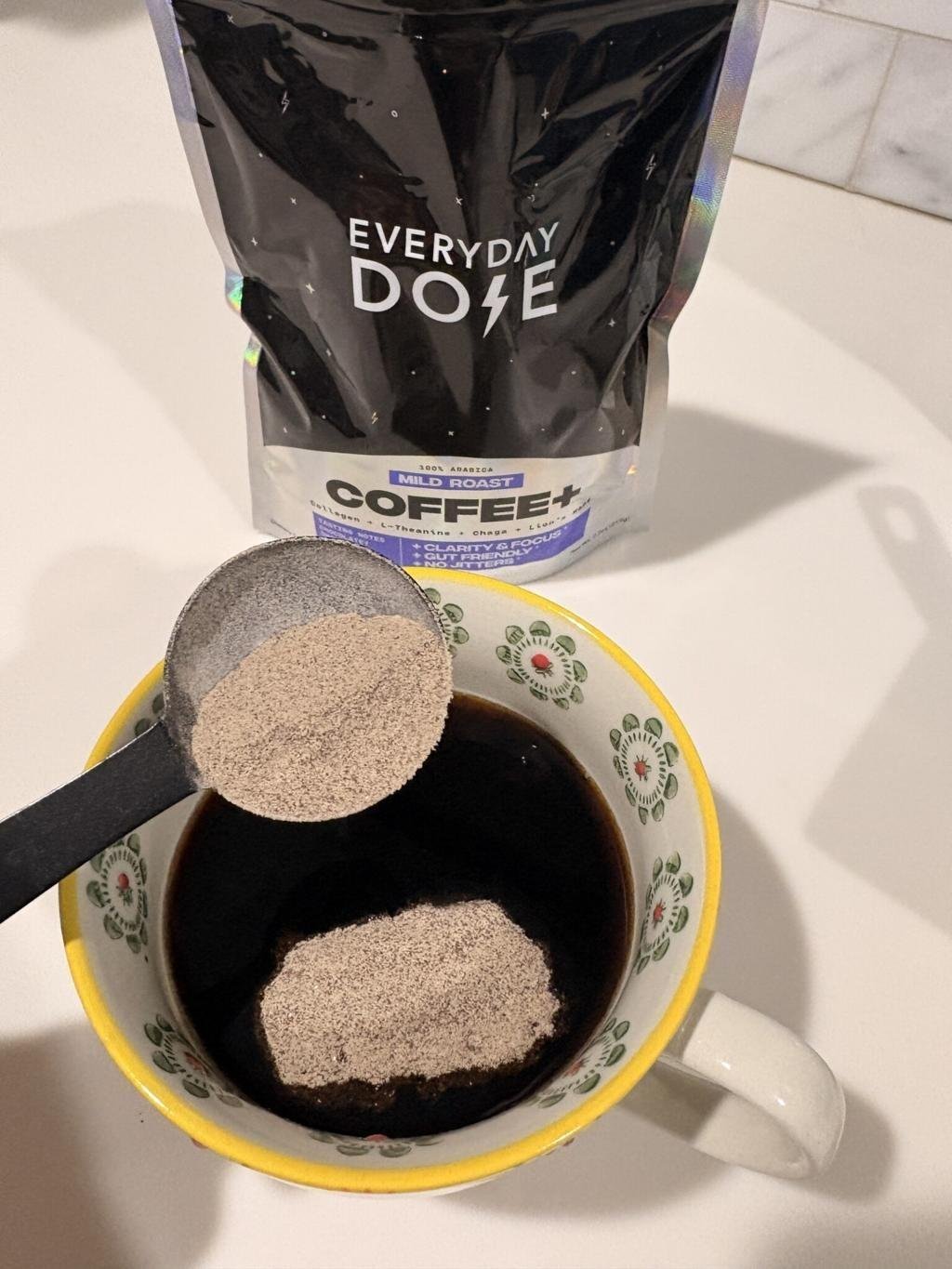
For example, The Mushroom Coffee Bar lists Everyday Dose Mild Roast Coffee+ with 45 mg of caffeine per serving, while its Medium Roast version contains 90 mg.
This provides two different options depending on your caffeine preferences.
Keep in mind that lower caffeine does not automatically mean a healthier product. Your overall caffeine intake, personal tolerance, and other ingredients matter too.
Benefit 5: May Fit Into a Mindful Daily Routine
A morning coffee ritual can provide a simple opportunity to slow down before a busy day.
Preparing a warm drink, enjoying its aroma, and taking a few minutes away from screens can help create a more intentional start to the morning.
Functional mushroom coffee can fit naturally into this routine.
For example, you could:
- Prepare your drink before checking emails.
- Enjoy it alongside a balanced breakfast.
- Take a short break between work sessions.
- Use a consistent morning preparation routine.
These lifestyle habits may support overall well-being, although they should not be confused with proven medicinal effects of mushroom extracts.
Benefit 6: Provides an Opportunity to Explore Different Ingredients
Another advantage is the variety of ingredients available in mushroom coffee blends.
Depending on the formulation, a product may combine Lion’s Mane, Chaga, Reishi, or Cordyceps with coffee, collagen, or other ingredients.
This allows consumers to explore different flavor combinations and ingredient profiles.
For instance, Lion’s Mane and Chaga are featured in the Everyday Dose Coffee+ products available through The Mushroom Coffee Bar.
Always read the complete ingredient list, especially if you have dietary restrictions or allergies.
Benefit 7: Can Be an Alternative to Traditional Coffee Blends
Some people simply want to try something different from their usual morning beverage.
Mushroom coffee offers an alternative without necessarily requiring people to give up the familiar taste of coffee.
Depending on the product, it may have earthy, roasted, chocolatey, or creamy flavor notes.
For beginners, choosing a mild blend can be a practical way to explore mushroom coffee without making a dramatic change to an established routine.
3. Functional Mushroom Coffee vs. Regular Coffee: What’s the Difference?
Both beverages can provide caffeine and deliver the familiar experience of drinking coffee. The main difference is the additional ingredients found in mushroom coffee.
| Feature | Regular Coffee | Functional Mushroom Coffee |
| Main ingredients | Roasted coffee beans | Coffee plus mushroom extracts |
| Caffeine | Varies by preparation | Varies by formulation |
| Flavor | Roasted, bitter, nutty | Roasted, earthy, chocolatey |
| Mushroom compounds | Not typically included | May contain beta-glucans and other compounds |
| Additional ingredients | Usually minimal | May include collagen, herbs, or L-theanine |
| Research | Extensive research on coffee | More limited research on specific mushroom extracts |
Does Mushroom Coffee Work?
The honest answer is that it depends on what you expect it to do.
If you want a coffee beverage that provides caffeine, mushroom coffee can do that when it contains caffeinated coffee ingredients.
If you expect it to dramatically improve memory, strengthen immunity, eliminate stress, or prevent illness, the evidence is not strong enough to support those promises.
A 2025 randomized, placebo-controlled study investigated Lion’s Mane extract and cognitive performance in 18 healthy young adults. Researchers did not find a significant overall improvement in cognitive performance or mood, although one individual test showed improvement. More research is needed.
PubMed+1
Therefore, mushroom coffee is best approached as an alternative beverage rather than a proven treatment or performance-enhancing supplement.
Is Mushroom Coffee Better Than Regular Coffee?
Neither option is automatically better for everyone.
Regular coffee may be preferable if you want a straightforward beverage with a familiar caffeine content. Mushroom coffee may appeal to people who want to explore additional ingredients and different caffeine levels.
Your decision should depend on taste, budget, caffeine tolerance, ingredient quality, and personal preferences.
4. Does Mushroom Coffee Help You Lose Weight?
Weight management is another reason people search for mushroom coffee.
However, there is currently insufficient human evidence to show that mushroom coffee directly causes weight loss.
Some people may find it useful as a lower-calorie alternative to sweetened coffee drinks, depending on the ingredients and preparation method.
For example, replacing a large flavored latte with a simpler mushroom coffee drink could reduce your daily calorie intake.
But the mushrooms themselves should not be considered fat-burning ingredients.
How to Include Mushroom Coffee in a Weight-Conscious Routine
If weight management is your goal, consider these practical habits:
- Choose blends without added sugar.
- Check the calories per serving.
- Avoid excessive flavored syrups and sweeteners.
- Pair coffee with a balanced breakfast.
- Maintain regular physical activity.
- Focus on consistent eating habits rather than relying on supplements.
Remember that sustainable weight management depends on your overall diet, activity level, sleep, and other lifestyle factors.
5. Does Mushroom Coffee Help Kidney Function?
This is an important question, especially for people considering mushroom coffee as a daily beverage.
There is no reliable clinical evidence showing that functional mushroom coffee improves kidney function or treats kidney disease.
Although certain mushrooms contain antioxidants and other biologically active compounds, that does not mean they can improve how well your kidneys filter blood.
People with chronic kidney disease should be particularly careful when choosing functional beverages and dietary supplements.
For example, the National Institute of Diabetes and Digestive and Kidney Diseases (NIDDK) explains that people with chronic kidney disease may need to monitor their intake of potassium, phosphorus, protein, and fluids. Individual requirements depend on their health and stage of kidney disease.
NIDDK+1
Is Mushroom Coffee Safe for Everyone?
Not necessarily.
Consider speaking with a qualified healthcare professional before using mushroom coffee regularly if you:
- Have kidney or liver disease.
- Take prescription medications.
- Have known mushroom allergies.
- Are pregnant or breastfeeding.
- Have a medical condition that requires dietary restrictions.
Chaga supplements deserve particular caution in people with kidney concerns because of reported oxalate-related kidney injury associated with high supplemental exposure.
Do not use mushroom coffee as a replacement for prescribed treatment or medical advice.
6. How to Choose the Best Functional Mushroom Coffee in 2027
With more mushroom coffee products appearing online, choosing the right one can feel confusing.
The best product is not necessarily the most expensive or the one making the biggest health promises. It is the one that offers transparent ingredients, suits your preferences, and fits your budget.
What Is the Best Mushroom Coffee?
There is no single best mushroom coffee for everyone. The right choice depends on your desired flavor, caffeine intake, mushroom ingredients, dietary requirements, and product transparency.
Here are six things to check before purchasing.
- Check the mushroom varieties
Look for clearly identified ingredients such as Lion’s Mane, Chaga, Reishi, and Cordyceps. Avoid products that simply advertise a proprietary mushroom blend without explaining its contents.
- Look for ingredient transparency
A trustworthy label should identify the mushroom species, extract type, and available quantities.
- Understand the caffeine content
If you are sensitive to caffeine, compare the amount per serving rather than relying on terms such as mild, medium, or strong.
The FDA states that up to 400 mg of caffeine daily is not generally associated with negative effects for most healthy adults, although individual sensitivity varies.
FDA
- Consider organic ingredients
An organic mushroom functional blend coffee may appeal to shoppers who prioritize organic agricultural production.
However, organic certification does not automatically establish that a beverage provides greater health benefits.
- Check third-party testing
Look for independent quality testing and information about screening for heavy metals, contaminants, and microbial safety.
- Read customer feedback carefully
Reviews can help you understand flavor, texture, preparation, and customer experience. However, personal testimonials are not scientific evidence of health benefits.
Understanding Organic Decaf and Medium Roast Options
Not everyone wants caffeine in their morning beverage.
An organic decaf perform functional mushroom ground medium roast coffee may be worth considering if you prefer a reduced-caffeine option. Check whether it is genuinely decaffeinated and how much caffeine remains per serving.
Similarly, shoppers searching for organic perform functional mushroom coffee – medium roast ground reviews should compare the actual ingredient labels, roast descriptions, caffeine levels, and verified customer feedback.
Do not assume that every medium roast product contains the same mushroom extracts or caffeine concentration.
How to Prepare Functional Mushroom Coffee at Home
One of the easiest ways to enjoy mushroom coffee is to incorporate it into your existing morning routine.
Here is a simple preparation method:
- Measure your serving: Follow the instructions on your selected product.
- Add warm water: Use the recommended amount to achieve your preferred strength.
- Mix thoroughly: Stir, whisk, or use a handheld frother to create a smooth texture.
- Customize the flavor: Add milk, almond milk, or an unsweetened alternative.
- Enjoy: Drink it alongside breakfast or during your regular morning break.
Three Simple Mushroom Coffee Ideas
- Iced mushroom coffee: Mix your prepared coffee with cold milk and ice.
- Creamy mushroom latte: Add warm milk and a little cinnamon.
- Chocolate mushroom coffee: Mix in a small amount of unsweetened cocoa powder.
These recipes offer easy ways to experiment with flavor without making your coffee routine complicated.
Frequently Asked Questions About Functional Mushroom Coffee
1. What Is Functional Mushroom Coffee Good For?
Functional mushroom coffee is an alternative coffee beverage that combines traditional coffee with mushroom extracts. Depending on its ingredients, it may provide caffeine, antioxidant compounds, and other naturally occurring mushroom compounds. However, specific health benefits have not been firmly established in large human studies.
2. Does Mushroom Coffee Improve Cognitive Function?
Some early research suggests that Lion’s Mane may influence pathways associated with nerve health and cognition. However, human studies remain limited, and current evidence does not establish that mushroom coffee improves memory, concentration, or brain performance.
3. Does Mushroom Coffee Help You Lose Weight?
There is no convincing evidence that mushroom coffee directly burns fat or causes weight loss. However, choosing an unsweetened, lower-calorie blend instead of a high-calorie coffee drink may help reduce overall calorie consumption.
4. Can You Drink Mushroom Coffee Every Day?
Many healthy adults can enjoy mushroom coffee as part of their daily routine, provided they tolerate its ingredients and monitor their caffeine intake. However, long-term safety data for many concentrated mushroom extracts remain limited. Follow the product instructions and consult a healthcare professional if you have medical concerns.
5. Does Mushroom Coffee Help Kidney Function?
There is currently insufficient scientific evidence that mushroom coffee improves kidney function. People with kidney disease should consult their healthcare professional before consuming concentrated mushroom extracts or other functional supplements.
6. Where Can I Buy Functional Mushroom Coffee Online?
You can explore different mushroom coffee blends through specialty wellness retailers, online stores, and dedicated mushroom coffee brands. The Mushroom Coffee Bar offers Everyday Dose Mild Roast and Medium Roast Coffee+ featuring Chaga and Lion’s Mane.
Conclusion: Is Functional Mushroom Coffee Worth Trying in 2027?
Functional mushroom coffee offers an interesting way to explore different ingredients while maintaining the familiar enjoyment of a traditional coffee ritual.
From Lion’s Mane and Chaga to Reishi and Cordyceps, functional mushrooms contain naturally occurring compounds that researchers continue to investigate. Some early findings are promising, particularly in areas such as antioxidant activity and cognitive health, but much of the evidence is still developing.
The seven potential benefits discussed in this guide show why mushroom coffee has attracted attention among coffee lovers and wellness-conscious consumers. However, it is important to separate scientific findings from marketing claims.
If you are considering making the switch, start by comparing ingredients, caffeine levels, product quality, and flavor preferences. Choose a transparent blend that suits your lifestyle rather than relying on exaggerated health promises.
Ready to explore something different in your morning cup? Visit The Mushroom Coffee Bar to discover mushroom coffee blends, functional teas, and wellness products that can add variety to your everyday routine.