Memorial Service vs Celebration of Life: Which One Fits Your Family?
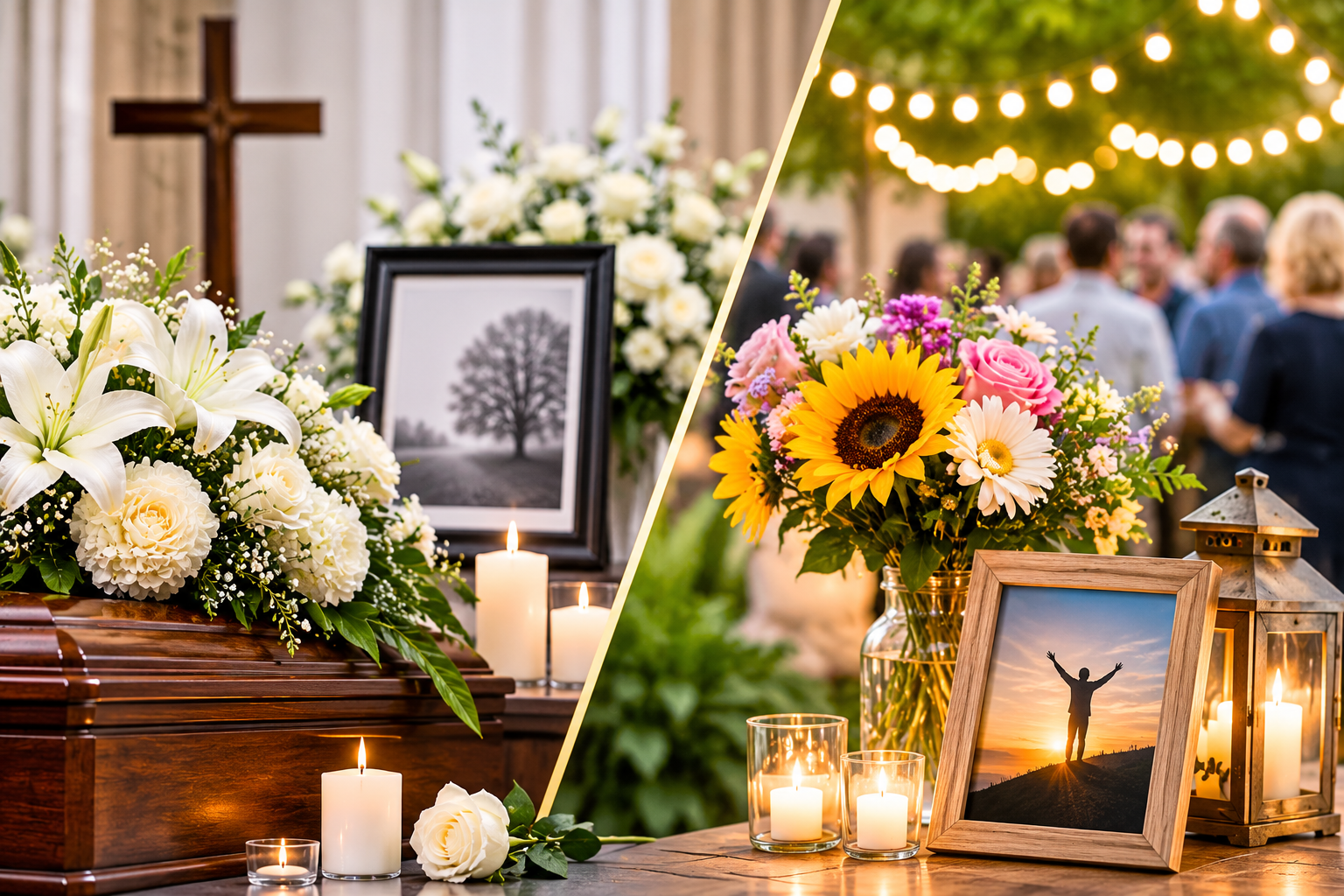
Introduction
When someone dies, families often face a question they never expected to answer: what kind of gathering should we hold? The choice between a memorial service vs celebration of life affects the mood of the day, who feels comfortable attending, and how the person is remembered. Neither option is better than the other. They simply serve different needs, and knowing the difference makes planning easier during a hard time.
What Is a Memorial Service?
A memorial service is a formal gathering that honors someone who has died, typically held without the body present. In the United States, it often takes place at a funeral home, house of worship, or chapel, and it usually follows a set order of events.
A typical program includes:
- Readings, prayers, or scripture
- A eulogy given by a friend, relative, or religious member
- Music, such as hymns or a favorite song
- A moment of silence or reflection
Because the structure is familiar, many people find it comforting. Guests know what to expect, and the focus stays on mourning and respect. Religious families often choose this format because it can include faith traditions naturally.
What Is a Celebration of Life?
A celebration of life focuses on how the person lived rather than on the loss itself. The tone is usually warmer and more personal, and the setting is often less traditional. Think of a backyard gathering, a banquet hall, a favorite restaurant, or a park the person loved.
These events tend to be flexible. Instead of a single eulogy, several guests might share stories. Photo displays, a playlist of the person’s favorite songs, or a dessert table of their best-loved recipes can all become part of the day. Laughter is welcome alongside tears.
Memorial vs Celebration of Life: Key Differences
Understanding memorial vs celebration of life comes down to a few practical contrasts.
Tone and Atmosphere
A memorial service is generally solemn and reflective. A celebration of life leans toward storytelling, humor, and shared joy. That said, the line is not rigid. A memorial can include warm anecdotes, and a celebration can include quiet moments of grief.
Structure and Timing
Memorial services usually follow a formal order and last about an hour. Celebrations are looser and may run longer, with guests mingling, eating, and sharing memories at their own pace. Both can be held soon after a death or weeks or months later, which gives out-of-town relatives time to travel.
Venue and Budget
Memorial services commonly happen in places designed for ceremonies, such as funeral homes and churches. Celebrations open up more choices, including event spaces, private homes, and outdoor locations. Costs vary widely by region, venue, catering, and guest count, so the format alone does not determine the price. Requesting written quotes from each venue is the most reliable way to compare.
How to Decide Which Is Right
Start with the person who died. Did they prefer quiet reverence or lively gatherings? Some people leave written wishes or have mentioned what they would want. If they did, honoring those wishes is often the clearest guide.
Then consider the people who will attend. Older relatives or deeply religious guests may feel more at ease with a traditional service. Younger guests or friends from a hobby group might connect more with a relaxed, story-driven event.
It also helps to think about practical limits: how much time you have to plan, who can help, and what the family can manage emotionally. If you are comparing the two formats side by side, this guide on celebration of life vs memorial offers additional detail on how each type of gathering works.
Can You Combine Both?
Yes, and many families do. A common approach is to hold a short, formal memorial service in the morning, followed by a casual reception where guests share food and stories. This blended format respects tradition while leaving room for personality.
Another option is to hold two separate events: a small private service for close family, then a larger celebration for friends, coworkers, and community members. This can reduce pressure on immediate relatives while still giving everyone a chance to say goodbye.
Whichever route you choose, a few small touches make the day more meaningful:
- Display photographs or objects tied to the person’s hobbies or career.
- Invite guests to write short memories on cards for the family to keep.
- Choose music that reflects the person’s taste rather than what is expected.
- Name one trusted person to coordinate the schedule so the family can be present.
Choosing a Tribute That Feels Honest
The difference between a memorial and a celebration of life is mostly about tone and format, not about how much someone mattered. A memorial service offers structure and solemnity. A celebration of life offers freedom and warmth. Many families land somewhere in between, memorial vs celebration of life and that is perfectly fine.
The best gathering is the one that feels true to the person being remembered and gives the people who loved them room to grieve, share stories, and support each other. If you are unsure, begin with what you know about their personality and let that shape the plan.