Office Furniture Ideas for Efficient and Comfortable Workspaces
Building a Functional and Welcoming Office Environment
A professional workplace should provide comfort, organization, and enough space for employees to complete their daily responsibilities. The way an office is furnished can influence employee satisfaction, workplace efficiency, and the impression a business creates on visitors. Choosing the right Office Furniture helps companies establish an environment that supports different working styles while maintaining a consistent professional appearance. From executive desks and ergonomic chairs to conference tables and storage cabinets, every furniture item has a specific role in workplace operations. Businesses should consider their available space, employee requirements, interior design, and budget before selecting furniture. A carefully planned office can improve movement, reduce unnecessary clutter, and make everyday activities more convenient. Whether a company operates from a small office or a large corporate building, practical furniture choices can support its long-term workplace requirements.
Understanding Different Office Furniture Requirements
Every business has different furnishing requirements depending on its industry, workforce, and daily operations. A corporate office may need executive desks, employee workstations, conference tables, and filing cabinets. A startup may prefer compact desks, flexible seating, and multifunctional storage to manage a smaller workspace. Educational institutions and training centers may require larger tables, durable chairs, and organized storage facilities. Understanding these requirements helps businesses avoid purchasing unnecessary items and ensures that each furniture piece serves a practical purpose. Companies should begin by identifying the number of employees, departments, visitors, and shared working areas. They should also consider which activities take place in each room. For example, a reception area needs comfortable visitor seating, while a meeting room requires suitable tables and chairs for group discussions. Planning furniture according to actual usage creates a more efficient workplace.
Selecting Office Desks for Different Work Activities
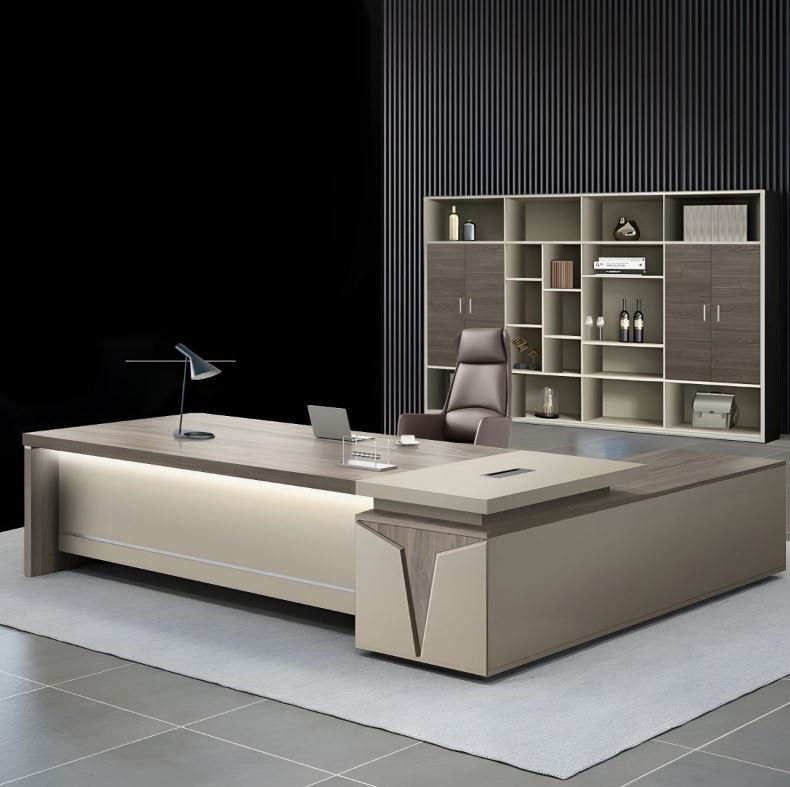
Office desks are essential for supporting computer work, paperwork, communication, and administrative responsibilities. Their design and dimensions should match the activities performed by employees. A standard office desk may provide sufficient space for basic computer operations, while larger desks can accommodate multiple monitors, documents, and additional equipment. Executive desks often feature wider surfaces and storage compartments, making them suitable for management offices. L-shaped desks are another practical option because they provide separate areas for computer work and paperwork. Businesses with limited floor space can consider compact desks that offer useful functionality without occupying too much room. Material quality is equally important when selecting desks. Strong frames, durable surfaces, and reliable fittings can help furniture withstand regular use. Companies should also consider desk height and legroom to support comfortable working arrangements.
Creating Comfortable Seating Arrangements for Employees
Employee seating deserves careful attention because office workers often spend a significant portion of their day sitting. An uncomfortable chair can make long working hours difficult and affect an employee’s ability to concentrate. Businesses should look for chairs with adjustable height, supportive backrests, comfortable cushioning, and suitable armrests. Ergonomic office chairs are designed to support a more natural sitting position and provide useful adjustment features. Mesh chairs may be appropriate for employees who prefer breathable seating, while cushioned chairs can offer a softer seating experience. Executive chairs are commonly selected for management offices because of their larger designs and professional appearance. Visitor chairs should also be comfortable and appropriate for reception areas and meeting rooms. Providing suitable seating throughout the workplace helps create a more welcoming environment for employees, clients, and business partners.
Designing Workstations for Better Team Organization
Workstations help businesses organize employees and create designated areas for different departments. They are especially useful in offices where several employees perform similar tasks and need access to shared resources. Modular workstation systems allow companies to arrange desks according to their available floor space and organizational structure. Some designs include partitions that provide additional privacy, while open arrangements make communication easier between team members. Workstations can also feature drawers, shelves, and cable management facilities to keep essential equipment organized. When choosing workstation furniture, businesses should consider the number of employees, computer equipment, storage needs, and available movement space. A well-organized workstation layout can reduce distractions and help employees maintain better control over their working areas. Flexible designs are particularly useful for growing businesses that may need to expand or reorganize their departments in the future.
Making Small Office Spaces More Practical
Small offices require careful furniture selection because limited floor space can quickly become overcrowded. Businesses should prioritize furniture that offers useful functionality while maintaining enough room for movement. Compact desks, wall-mounted shelves, mobile storage units, and space-saving chairs can help maximize available areas. Multifunctional furniture is another practical choice because a single item can serve more than one purpose. For example, a storage cabinet may also provide additional surface space for office equipment. Businesses should avoid purchasing oversized furniture that blocks walkways or makes rooms feel restricted. Vertical storage can be useful for organizing documents and supplies without taking up additional floor area. Light furniture finishes and simple designs may also help create a more open visual appearance. With proper planning, even a small workplace can provide comfortable working areas and organized facilities.
Improving Office Storage and Document Management
An organized workplace requires suitable storage facilities for documents, stationery, electronic accessories, and other business materials. Filing cabinets are useful for arranging paperwork according to departments, projects, or administrative requirements. Mobile pedestals provide convenient storage near employee desks and can hold frequently used supplies. Larger storage cupboards are suitable for keeping office equipment and materials that are not required throughout the day. Bookshelves and open shelving units can also support document organization while making frequently accessed items easier to locate. Businesses should consider storage capacity, cabinet dimensions, locking facilities, and material quality before purchasing these products. Confidential documents may require lockable cabinets, while general supplies can be stored in open or shared units. Proper storage arrangements help reduce clutter, save time, and maintain a cleaner professional environment.
Choosing Furniture Materials That Offer Lasting Value
The materials used in office furniture influence its appearance, durability, maintenance requirements, and overall performance. Wooden furniture remains a popular option because it offers a traditional and professional look. Metal frames are often selected for their strength and stability, particularly in frequently used workstations and storage units. Laminated surfaces provide a range of finishes and can be practical for everyday office use. Engineered wood is another commonly available option for desks, cabinets, and shelving systems. Before making a purchase, businesses should inspect the construction, joints, edges, hinges, and supporting structures. They should also consider how frequently each item will be used. Furniture placed in busy work areas may require stronger materials than pieces used occasionally in private offices. Selecting materials according to the intended purpose can help businesses achieve better long-term value and reduce maintenance expenses.
Furnishing Reception Areas to Create a Professional Impression
The reception area is often the first place visitors experience when entering a business. Its furniture should create a welcoming atmosphere while supporting the daily responsibilities of reception staff. A suitable reception desk provides enough room for computers, communication equipment, documents, and other essential supplies. Comfortable visitor chairs and sofas can make waiting areas more pleasant. Small coffee tables, side tables, and storage cabinets can also improve organization and functionality. Businesses should select furniture that complements their interior design and reflects their professional identity. The reception area should not feel overcrowded because visitors and employees need enough space to move comfortably. Companies can use coordinated colors and matching furniture finishes to create a consistent appearance. A well-furnished reception area helps establish a positive first impression and makes visitors feel more comfortable.
Selecting Conference Room Furniture for Productive Meetings
Conference rooms support important business activities, including presentations, employee discussions, client meetings, and project planning. Furniture in these rooms should provide comfort and accommodate the expected number of participants. Conference tables are available in rectangular, oval, round, and modular designs. The right choice depends on room dimensions and the type of meetings conducted. Larger corporate offices may require spacious boardroom tables, while smaller businesses can benefit from compact meeting tables. Comfortable chairs are equally important because participants may remain seated for extended periods. Businesses should also consider access to electrical outlets, presentation equipment, and communication devices. A suitable table arrangement allows participants to interact easily and view presentation materials without difficulty. Properly selected conference furniture can support communication and make meetings more organized.
Maintaining Office Furniture to Protect Your Investment
Regular maintenance helps businesses preserve furniture quality and maintain a clean workplace. Desks and tables should be cleaned according to their surface materials, while chairs should be checked for loose fittings and damaged adjustment mechanisms. Storage cabinets require occasional inspection to ensure that hinges, handles, locks, and shelves remain in good condition. Employees should avoid placing excessive weight on desks and shelving units because this may affect their stability. Furniture should also be protected from unnecessary moisture, direct heat, and rough handling. Businesses can establish simple cleaning and inspection routines to identify minor problems before they become expensive repairs. Following manufacturer care instructions is particularly important for specialized finishes and materials. Proper maintenance can extend the useful life of office furniture and help companies avoid frequent replacement costs.
Planning an Office Furniture Budget Without Compromising Quality
Budget planning is an important part of furnishing a new or existing workplace. Businesses should identify essential furniture items before spending money on decorative additions or optional accessories. Desks, chairs, workstations, and storage facilities generally deserve priority because they support everyday operations. Companies should compare product specifications, material quality, dimensions, and warranty information rather than choosing furniture based only on the lowest price. Purchasing durable products may require a higher initial investment, but it can reduce long-term replacement and repair expenses. Businesses should also consider delivery, installation, and customization costs when preparing their budgets. For larger purchases, requesting quotations from different suppliers can help companies understand available options. A clear budget makes it easier to balance quality, functionality, and affordability.
Finding Furniture That Matches Your Business Identity
Office interiors can communicate important information about a company’s values, services, and professional standards. Furniture selection should therefore complement the business identity while maintaining practical functionality. A corporate office may prefer coordinated desks, executive chairs, and formal meeting tables. A creative agency may choose flexible workstations, collaborative tables, and relaxed seating arrangements. Customer-facing businesses may prioritize comfortable reception furniture and organized consultation areas. Color combinations, furniture finishes, and design consistency can help create a recognizable workplace appearance. However, visual appeal should never replace comfort and usability. Businesses should choose products that support employee activities and meet the expectations of visitors. When furniture reflects the company’s identity and serves practical needs, the entire office environment becomes more organized and professional.
Building a Productive Workplace with Suitable Furniture
Creating a successful office environment requires more than purchasing desks and chairs. Businesses must consider employee comfort, space utilization, storage capacity, durability, and interior appearance when planning their furniture requirements. Every department should have furniture that supports its daily activities, while shared areas should remain accessible and properly organized. Companies should also think about future growth and choose flexible solutions that can accommodate changing workforce requirements. Regular maintenance and thoughtful furniture arrangements help preserve the workplace and make daily operations more convenient. Selecting reliable products from suitable suppliers can further simplify the furnishing process. Businesses exploring practical workplace furnishing options can consider Cebu office furniture den when reviewing solutions for different office layouts and professional requirements. Ultimately, well-selected furniture provides a strong foundation for a comfortable, organized, and efficient business environment.