Office Desk Selection for Productive and Organized Workspaces
Creating a Comfortable and Functional Office Environment
A well-planned workspace plays an important role in improving productivity, maintaining comfort, and supporting everyday business activities. Furniture selection should focus on practical needs, available space, and the type of work employees perform. Among all essential office furnishings, an Office Desk is one of the most important pieces because it provides a dedicated area for completing tasks, organizing documents, using computers, and managing daily responsibilities. Whether setting up a corporate office, a small home workspace, or a growing business, choosing the right desk can make a noticeable difference in the working environment. A suitable design helps employees maintain an organized workspace while providing enough room for essential office equipment. Businesses should consider furniture that combines functionality, durability, and an appealing appearance to create a professional atmosphere.
Understanding the Importance of a Suitable Office Desk
An office desk is more than a surface for placing a computer or paperwork. It supports everyday activities and helps employees maintain an efficient working routine. A properly selected desk provides enough space for essential equipment while keeping frequently used items within easy reach. This can reduce unnecessary movement and help employees stay focused on their responsibilities. Different workplaces have different requirements, so furniture should match the nature of the business. For example, administrative departments may need spacious desks for documents and office supplies, while computer-based employees may prefer designs with dedicated cable management and monitor space.
The right desk also contributes to workplace organization. Drawers, storage compartments, and additional shelving can help reduce clutter and keep important materials accessible. A clean workspace creates a more professional impression and makes everyday tasks easier to manage. Companies should also consider employee comfort when selecting office furniture. Desk height, legroom, and surface dimensions can influence how comfortably employees work throughout the day. By evaluating these details before purchasing, businesses can make practical furniture decisions that support long-term use.
Popular Office Desk Designs for Modern Workplaces
Office furniture is available in many designs, allowing businesses to select options that complement their workspace layout and operational requirements. Traditional rectangular desks remain popular because they offer a simple structure and can fit into different office environments. Their straightforward design makes them suitable for administrative work, individual workstations, and general office activities. They are also available in different sizes, finishes, and materials, making them easy to coordinate with existing furniture.
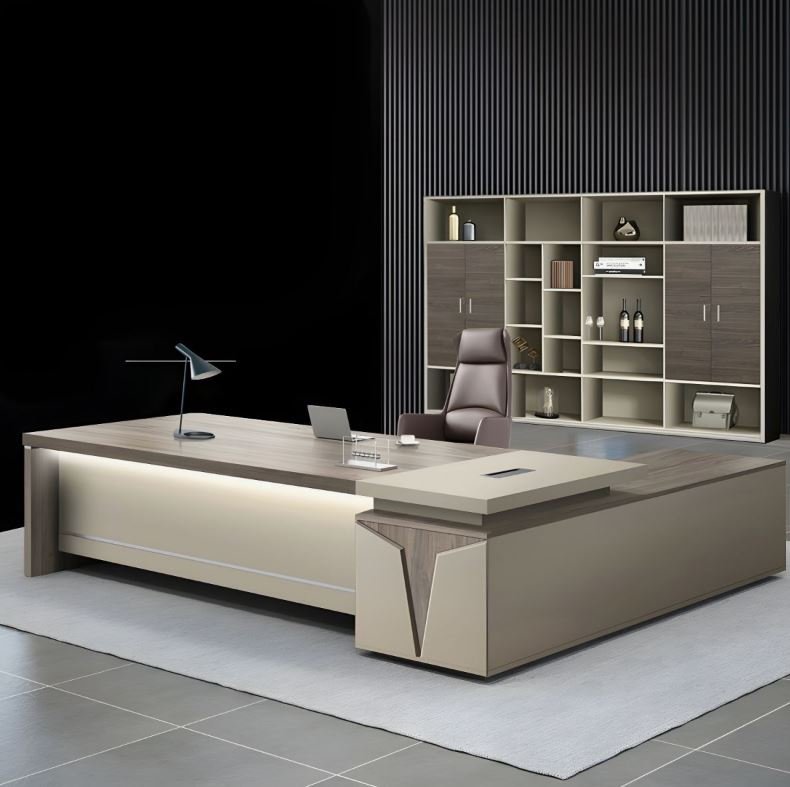
L-shaped desks are another practical option for employees who require additional working space. Their extended surfaces provide separate areas for computers, paperwork, and other office essentials. These desks are particularly useful in managerial offices and professional workspaces where multiple tasks are performed throughout the day. Executive desks offer a more substantial appearance and often include additional storage features. They can help establish a professional atmosphere in private offices and meeting spaces.
Compact desks are suitable for smaller workplaces where efficient space utilization is important. Their smaller dimensions make them useful for home offices, reception areas, and limited workspaces. Meanwhile, adjustable-height desks provide flexibility by allowing users to change their working position. Businesses can explore different designs based on employee requirements, available floor space, and their preferred interior style.
Choosing the Right Desk Size for Your Office
Desk dimensions should be considered carefully before purchasing furniture. A desk that is too large can restrict movement and make a small office feel crowded. On the other hand, a desk that is too small may not provide sufficient room for computers, documents, and other necessary equipment. Measuring the available area helps businesses select furniture that fits comfortably without affecting movement around the workspace.
Companies should also consider the number of employees and the overall office layout. Individual offices may accommodate larger desks, while shared workspaces often require compact and coordinated furniture arrangements. The distance between desks should allow employees to move comfortably and access their workstations without difficulty. It is also important to leave enough room for office chairs, storage units, and other furniture.
Before finalizing a purchase, businesses should identify the main purpose of each workstation. Employees who regularly handle paperwork may need wider surfaces, while those who primarily use computers might benefit from desks with organized cable arrangements. Understanding these requirements helps prevent unnecessary purchases and supports better space planning.
Materials That Influence Desk Durability and Appearance
The material used in office furniture affects its durability, maintenance requirements, and overall appearance. Different materials offer different advantages, so businesses should compare their features before making a decision. Engineered wood is commonly used because it provides a neat finish and is available in various colors and styles. It can be a suitable option for businesses looking for practical furniture at different price points.
Solid wood desks offer a classic appearance and can complement traditional or executive office interiors. Their natural textures create a distinctive look, although proper maintenance may be necessary to preserve their finish. Metal-framed desks are another popular choice, particularly in contemporary workspaces. Their sturdy construction can provide reliable support, while wooden or laminated surfaces create a balanced appearance.
Glass desks are often selected for their modern and minimal design. They can help create a visually open environment, especially in smaller offices. However, glass surfaces require regular cleaning to maintain their appearance. When choosing materials, businesses should consider daily usage, expected durability, maintenance requirements, and budget. Selecting appropriate materials can help ensure that office furniture remains functional and attractive over time.
Office Storage and Organization Features
A well-organized workstation helps employees manage daily responsibilities more effectively. Storage features are therefore an important consideration when selecting office furniture. Desks with built-in drawers provide convenient space for stationery, documents, and personal belongings. Lockable drawers can also offer additional security for confidential paperwork and important office materials.
Some desk designs include side cabinets, modesty panels, and integrated shelves. These features help employees maintain an organized workspace without requiring too many additional storage units. Cable management systems are equally useful in computer-based environments. Properly arranged cables can reduce clutter and make workstations easier to clean and maintain.
Businesses should also think about the relationship between desks and other office furniture. Pedestals, filing cabinets, bookshelves, and storage units can complement desk arrangements and improve the overall organization of the workplace. A coordinated furniture layout creates a more consistent appearance while supporting practical everyday operations.
Matching Office Furniture With Your Interior Design
The appearance of office furniture contributes to the overall impression of a business. A coordinated interior can create a professional atmosphere for employees, clients, and visitors. Desk colors, materials, and finishes should complement the existing walls, flooring, lighting, and other furniture. Neutral shades such as white, grey, black, and natural wood finishes are commonly selected because they work well with different interior styles.
Businesses with contemporary interiors may prefer minimalist desks featuring clean lines and simple structures. Traditional offices may benefit from wooden finishes and more detailed designs. For shared workspaces, maintaining consistency across furniture can create a visually organized environment. However, individual departments can also use different desk configurations based on their specific responsibilities.
Lighting should be considered when planning desk placement. Employees need sufficient illumination to work comfortably and view documents or computer screens. Positioning desks thoughtfully can also help make better use of natural light. Combining suitable furniture, effective lighting, and organized layouts creates a workplace that feels professional and comfortable.
Ergonomics and Employee Comfort
Employee comfort should remain a priority when selecting office furniture. People often spend several hours working at their desks, making appropriate furniture dimensions important. A desk should provide enough legroom and allow employees to position their computers and accessories comfortably. The working surface should support a natural sitting posture and provide adequate room for everyday tasks.
Desk height should also complement the office chair being used. Employees should be able to sit with their feet supported and their shoulders relaxed while working. Computer monitors should be positioned at a comfortable viewing height, and frequently used equipment should remain within easy reach. Adjustable furniture can provide additional flexibility for workplaces with different employee requirements.
Businesses can further improve workstation comfort by combining suitable desks with supportive office chairs, monitor stands, and organized accessories. These details may appear small, but they contribute to a more practical working environment. A comfortable workstation can help employees maintain focus and manage their daily responsibilities more efficiently.
Maintaining Office Desks for Long-Term Use
Regular maintenance helps preserve the appearance and functionality of office furniture. Dust and dirt should be removed frequently using cleaning materials appropriate for the desk surface. Wooden and laminated desks should be protected from excessive moisture, while glass surfaces may require suitable glass cleaners to prevent marks and fingerprints.
Employees should avoid placing excessively heavy objects on surfaces that are not designed to support them. Spills should be cleaned promptly to prevent staining or material damage. Drawers, handles, and desk fittings should also be checked periodically to ensure they remain secure and functional.
Proper maintenance practices can reduce unnecessary repair costs and help businesses extend the useful life of their furniture. Companies should encourage employees to keep workstations clean and avoid unnecessary damage. Regular inspections can also identify loose fittings or minor issues before they become more difficult to address.
Planning an Efficient Office Furniture Budget
Budget planning is another important part of purchasing office furniture. Businesses should consider both the initial purchase price and the expected long-term value of each item. Choosing the cheapest available option may not always provide the best results if the furniture requires frequent repairs or replacement. Instead, companies should compare material quality, construction, dimensions, storage features, and warranty information where available.
It is also useful to prioritize furniture based on workplace requirements. Essential workstations should receive attention first, followed by additional storage and complementary furnishings. Businesses furnishing multiple departments may benefit from selecting coordinated furniture ranges that provide consistency across the office.
Planning purchases in advance can help prevent unnecessary expenses and make better use of available resources. Companies should also consider future expansion when selecting desk configurations. Flexible furniture arrangements can make it easier to accommodate additional employees without completely redesigning the workspace.
Finding Furniture That Supports Business Growth
A growing business needs furniture that can support changing workplace requirements. As teams expand, companies may need additional workstations, collaborative spaces, and storage solutions. Selecting practical furniture from the beginning can make future adjustments easier. Modular desks and coordinated workstation systems can help businesses organize their available space while maintaining a consistent interior appearance.
Office planning should consider both individual productivity and team collaboration. Employees who require focused working environments may benefit from separate desks, while departments that regularly communicate may prefer shared workstation arrangements. The right furniture combination depends on the company’s working style, available space, and operational priorities.
Businesses should also consider how their furniture choices influence the experience of visitors and clients. A clean, organized, and professionally furnished office creates a positive impression. By choosing durable materials, suitable desk dimensions, and functional storage features, companies can develop workspaces that support everyday operations and future growth.
Conclusion
Selecting appropriate office furniture requires attention to comfort, durability, functionality, and interior design. A carefully chosen desk provides employees with a dedicated workspace, supports better organization, and helps businesses maintain a professional environment. From compact designs for smaller offices to spacious executive desks and flexible workstation solutions, every option should match the practical needs of its intended users. Businesses should evaluate materials, dimensions, storage features, and ergonomic considerations before making their final decisions. For companies looking to plan functional and attractive workspaces, Modern desks and office cubicles offers a relevant direction for exploring office furniture solutions that balance everyday practicality with professional workplace requirements.