How to Choose the Right Cosmetology Institute in India for a Successful Beauty Career
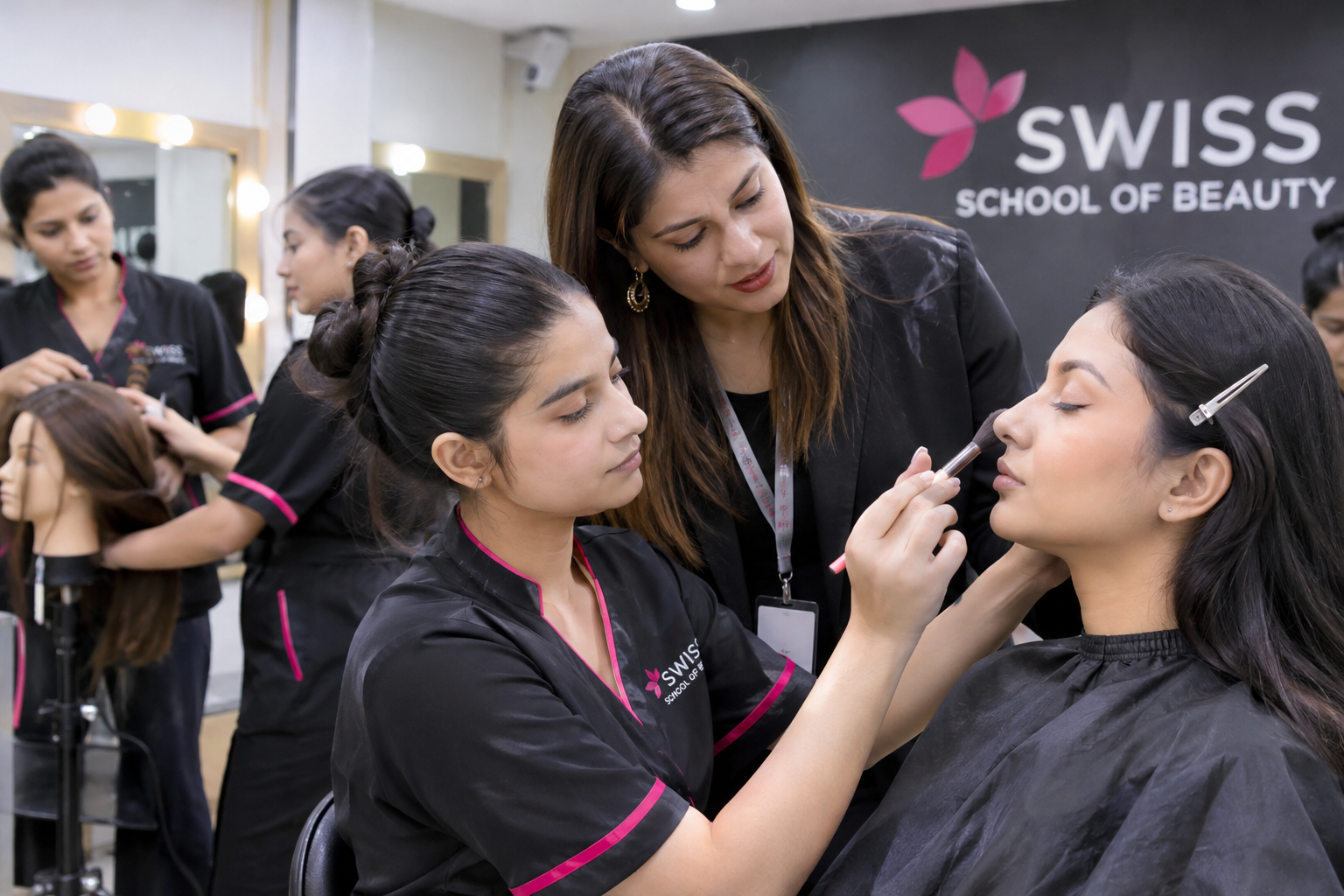
The beauty and wellness industry in India has grown significantly over the past few years. From skincare treatments and professional makeup to hair styling, nail technology, and advanced aesthetic procedures, people are increasingly seeking trained beauty professionals. This growing demand has also created exciting career opportunities for students who want to build a future in cosmetology.
However, starting a career in this industry requires more than an interest in beauty products or makeup trends. Professional knowledge, practical experience, technical skills, and proper training are equally important. This is why choosing the right cosmetology institute becomes an important first step.
If you are planning to enter the beauty industry, understanding what makes a training institute suitable can help you make a better educational and career decision.
1. Understand What Cosmetology Actually Covers
Before selecting a course, it is important to understand the different areas of cosmetology. Many students assume that cosmetology is limited to makeup and hairstyling, but the field is much broader.
Professional cosmetology education can include:
- Skin Care: Understanding skin types, common skin concerns, facials, and professional skincare treatments.
- Hair Care: Learning hair cutting, colouring, styling, hair treatments, and scalp care.
- Makeup Artistry: Understanding makeup techniques, product selection, colour theory, and different makeup applications.
- Nail Technology: Learning nail extensions, nail art, manicure, pedicure, and nail hygiene.
- Beauty and Aesthetic Treatments: Understanding professional beauty procedures, client consultation, and treatment safety.
For example, someone interested in skincare may prefer a course that focuses on skin science and professional treatments, while a student passionate about creative styling may choose a programme with more emphasis on makeup and hairstyling.
Understanding your interests before enrolling can help you select a course that matches your long-term career goals.
2. Check the Course Curriculum Before Enrolling
One of the most important things to consider when selecting a cosmetology academy is its curriculum.
A good course should offer a balance of theoretical knowledge and practical training. Learning about skin anatomy, hair structure, hygiene, product ingredients, and treatment techniques provides the foundation required for professional work.
However, theory alone is not enough.
Students should also get opportunities to practise techniques, understand professional equipment, work with different products, and learn how to handle real client requirements.
Before choosing an institute, check:
- What subjects are included in the programme?
- Does the course cover both basic and advanced techniques?
- Are practical sessions included?
- Does the curriculum follow current beauty industry practices?
- Are students trained in hygiene and client safety?
A detailed curriculum helps students understand exactly what they will learn and whether the programme meets their expectations.
3. Practical Training Matters More Than You Think
Cosmetology is a skill-based profession. A student may understand the theory behind a facial treatment or haircut, but performing it confidently requires regular practice.
Practical training allows students to develop hand coordination, understand different skin and hair conditions, improve their techniques, and handle professional tools correctly.
For instance, a makeup student needs to practise on different face shapes, skin tones, and skin types. Similarly, a hair professional should understand how different hair textures respond to cutting, colouring, and styling techniques.
When comparing institutes, ask whether students receive supervised practical sessions, demonstrations, and opportunities to work on practical assignments.
The more relevant hands-on experience students receive during training, the better prepared they can be for professional responsibilities.
4. Learn From Experienced Beauty Educators
The quality of education also depends on the people delivering it.
Experienced trainers can provide valuable insights that go beyond textbooks. They can explain common mistakes, demonstrate professional techniques, and share practical knowledge about working with clients.
For example, a trainer may teach students how to select makeup products according to skin type, manage client expectations, or maintain hygiene during a treatment.
These small details make a difference when students start working professionally.
Before enrolling, try to understand the faculty’s professional experience, teaching approach, and involvement in practical training. An institute with knowledgeable educators can help students build stronger technical foundations and professional confidence.
5. Explore Career Opportunities After Cosmetology Training
Cosmetology offers several career paths depending on a student’s interests, specialisation, and experience.
Some popular opportunities include:
Professional Makeup Artist: Working in bridal makeup, fashion shoots, television, events, and entertainment.
Hair Stylist: Providing haircuts, styling, colouring, and professional hair treatments in salons or studios.
Skincare Professional: Working in beauty clinics, salons, and skincare establishments, within the scope of professional qualifications.
Nail Technician: Offering nail extensions, nail art, manicure, pedicure, and nail care services.
Beauty Entrepreneur: Starting an independent salon, makeup studio, or beauty-related business.
Beauty Educator: Sharing professional knowledge and training aspiring beauty professionals after gaining the necessary experience.
Students should remember that career opportunities depend on their skills, practical experience, qualifications, and the requirements of individual employers.
6. Why Institute Reputation and Learning Environment Matter
Choosing a cosmetology institute should not be based only on advertisements or course fees.
Students should evaluate the overall learning environment. A professional training setup should provide access to suitable equipment, learning materials, practical demonstrations, and guidance from trainers.
It is also useful to check student reviews, course details, faculty profiles, and available facilities.
For students exploring professional beauty education, Swiss School of Beauty is one institute worth researching. Before making an admission decision, prospective students can explore the programmes, training approach, and available learning opportunities at the best cosmetology institute in India and assess whether they align with their individual career plans.
Remember that the right institute is the one that meets your educational needs rather than simply the one with the most attractive marketing.
7. Common Mistakes Students Should Avoid
Many students make their course selection in a hurry and later discover that the programme does not match their expectations.
Here are some common mistakes worth avoiding:
Choosing a Course Only Because It Is Cheap: Course fees matter, but extremely low fees should not be the only deciding factor. Compare the curriculum, practical exposure, faculty, and facilities.
Ignoring Practical Sessions: A course that offers limited hands-on training may leave students underprepared for professional work.
Not Checking Course Duration: Understand how much time is allocated to each subject and whether the duration is sufficient to develop the required skills.
Following Trends Without Understanding Fundamentals: Beauty trends change frequently. Strong knowledge of basic techniques allows professionals to adapt to new styles and treatments.
Expecting Immediate Career Success: Completing a course is only the beginning. Consistent practice, professional behaviour, communication, and experience help build a sustainable career.
8. Tips for Building a Successful Career in Cosmetology
Getting professional training is an important starting point, but students should continue developing their skills after completing their education.
Here are a few practical recommendations:
- Practise your techniques regularly to improve accuracy and confidence.
- Build a portfolio with photographs of your work, wherever appropriate and with client consent.
- Stay updated with new beauty products, tools, and industry techniques.
- Learn basic communication and client-handling skills.
- Understand hygiene, sanitation, and professional safety standards.
- Attend workshops and industry events to expand your knowledge.
- Develop a specialisation once you have explored different areas of cosmetology.
For example, a student interested in bridal makeup can gradually build a portfolio around bridal looks, while someone interested in skincare can focus on understanding skin concerns and appropriate professional treatments.
Developing a specialisation can help you establish a clear professional identity over time.
Final Thoughts
Cosmetology can be a rewarding career for individuals who enjoy creativity, personal care, and working with people. However, building a successful career requires proper education, consistent practice, and a willingness to keep learning.
Before enrolling in any programme, compare the curriculum, practical training opportunities, faculty experience, facilities, and career relevance. Take time to understand what each institute offers instead of making a decision based only on popularity or price.
The right learning environment can help you develop essential skills, gain professional confidence, and prepare for different opportunities in the beauty and wellness industry.
A well-planned beginning, combined with dedication and continuous learning, can make your journey in cosmetology more meaningful and professionally rewarding.