Medical Certificate Online: When Is a Telehealth Assessment the Right Option?
Accessing healthcare is not always convenient. Work commitments, travel, illness and limited appointment availability can make visiting a medical centre difficult, particularly when someone needs a medical assessment for a short-term absence.
A medical certificate online may offer a practical alternative in suitable circumstances. However, online access does not mean every health concern can be assessed remotely or that a certificate will automatically be issued. Understanding how telehealth assessments work can help people decide whether this approach is appropriate for their situation.
Understanding What an Online Medical Assessment Involves
An online medical certificate service should involve more than completing a form and receiving an automatically generated document. The important part is the clinical assessment conducted by a qualified medical practitioner.
During a telehealth consultation, a doctor may discuss the patient’s current symptoms, when they started, their severity and how they affect everyday activities. The doctor may also ask about relevant medical history, existing conditions and other factors that could influence the assessment.
Depending on the circumstances, the consultation may take place by phone or video. The doctor determines whether the information available is sufficient to make an appropriate clinical decision.
The purpose is to assess the person’s circumstances, not simply to approve a document request.
When Can Telehealth Be a Practical Option?
Telehealth may be suitable when a person’s health concern can reasonably be assessed without a physical examination and the doctor has enough information to make a clinical judgement.
For example, someone experiencing a short-term illness that affects their ability to attend work or study may be able to discuss their symptoms and functional limitations during a remote consultation.
A telehealth appointment can also be useful when travelling to a medical centre would be inconvenient or difficult. It allows patients to speak with a doctor without necessarily needing to leave home.
However, suitability depends on the individual presentation. The same symptoms can affect different people in different ways, and a doctor may need additional information before deciding whether remote assessment is appropriate.
What Information Helps the Doctor Assess Your Situation?
Patients can make better use of their consultation by preparing a few relevant details beforehand. This does not mean trying to reach a particular outcome. It simply helps the doctor understand the circumstances more clearly.
Useful information may include:
- Symptom history: When the symptoms began and whether they have changed.
- Current difficulties: How the illness is affecting normal activities, work or study.
- Relevant medical history: Existing conditions, medications or previous episodes that may matter.
- Work or study requirements: The dates and responsibilities affected by the health concern.
- Previous medical advice: Any recent consultation, treatment or relevant assessment.
It is important to answer questions honestly and avoid exaggerating symptoms. The doctor needs an accurate picture to decide whether a certificate is clinically justified and what period, if any, can appropriately be certified.
Why a Doctor May Recommend an In-Person Appointment
Not every health concern can be assessed effectively over the phone or through video.
Some conditions require a physical examination, diagnostic testing or direct observation that cannot be adequately completed during a remote consultation. A doctor may also identify symptoms that warrant a more detailed assessment than the service can provide.
For instance, new or worsening symptoms, significant pain or concerns that require examination may make an in-person appointment more appropriate.
A telehealth doctor should be able to explain when a remote assessment is insufficient and recommend a more suitable pathway. This is an important part of responsible healthcare rather than a failure of the consultation.
People experiencing a medical emergency should call Triple Zero (000) or seek emergency care immediately rather than waiting for an online appointment.
A Medical Certificate Is Not the Same as a Diagnosis or Treatment Plan
It is useful to understand the difference between medical certification and ongoing healthcare.
A medical certificate documents a practitioner’s assessment of a person’s circumstances for a relevant period. It does not necessarily provide a comprehensive diagnosis, treatment plan or ongoing management of an underlying condition.
Someone who continues to experience symptoms may need further appointments, investigations or treatment through their regular GP or another appropriate healthcare provider.
Similarly, a certificate should not be treated as a substitute for medical advice about whether someone is safe to return to work, undertake physical duties or resume other activities.
The scope of the consultation and the information recorded should reflect what the doctor has actually assessed.
What Should You Look for in an Online Certificate Provider?
Before booking, it is worth checking how the service operates. A few practical questions can help distinguish a genuine clinical consultation from a process that focuses primarily on document delivery.
- Does a registered doctor conduct the consultation?
Check whether the assessment is performed by an appropriately registered Australian medical practitioner. The practitioner should be responsible for the clinical decision and any certificate issued.
- Is there a real-time consultation?
Find out whether patients speak directly with a doctor by phone or video. A questionnaire may collect preliminary information, but it should not replace the clinical consultation required for the assessment.
- Is the doctor’s decision independent?
A reputable process should allow the doctor to decline a request when the available information does not support issuing a certificate.
- Are the service’s limitations explained?
Providers should clearly explain what they can assess, what falls outside their scope and when a patient may need another form of medical care.
- Is the document issued under the practitioner’s details?
Patients should be able to identify the practitioner responsible for issuing the certificate and understand how its authenticity can be checked.
These considerations are more useful than choosing a provider solely because it advertises fast document delivery.
How OMC Health Approaches Online Medical Certificates
OMC Health operates as an Australian medical certificate booking and delivery platform, connecting patients with AHPRA-registered GPs from partner medical practices.
The process involves selecting the relevant certificate type, providing booking information and attending a real-time consultation with a doctor by phone or video. The consulting GP reviews the patient’s circumstances and makes an independent decision about whether issuing a certificate is clinically appropriate.
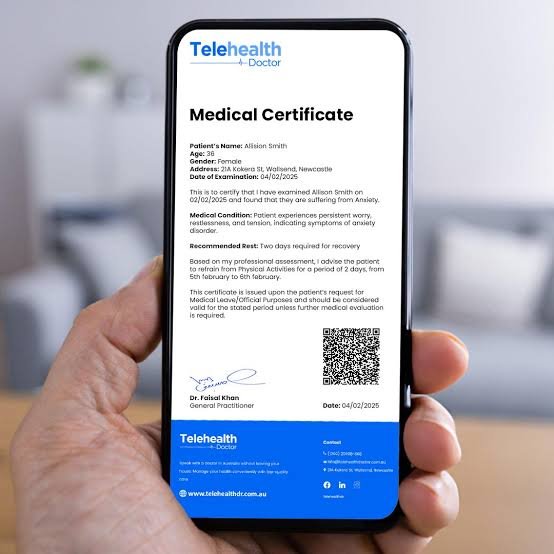
If approved, the certificate is digitally issued under the doctor’s registration and partner practice details and emailed to the patient. If the doctor determines that a certificate is not appropriate, it is not issued.
People considering an online consultation can visit OMC Health to understand the available services and booking process.
The online medical certificate consultation process also explains the steps involved, from selecting a certificate type to speaking with a GP and receiving the document if approved.
Making an Informed Decision About Telehealth
Online medical consultations can make healthcare access more convenient, but they are not suitable for every condition or circumstance. Patients should consider the nature of their symptoms, the type of assessment required and whether a remote consultation can provide enough information for a doctor to make an appropriate decision.
A genuine consultation, clear clinical boundaries and an independent medical assessment should remain central to the process.
When these elements are in place, telehealth can provide a useful option for people who need medical advice and, where clinically justified, supporting documentation without travelling to a medical centre.