Understanding Skin Physiology: Why Advanced Skincare Training Matters for Treatment Success
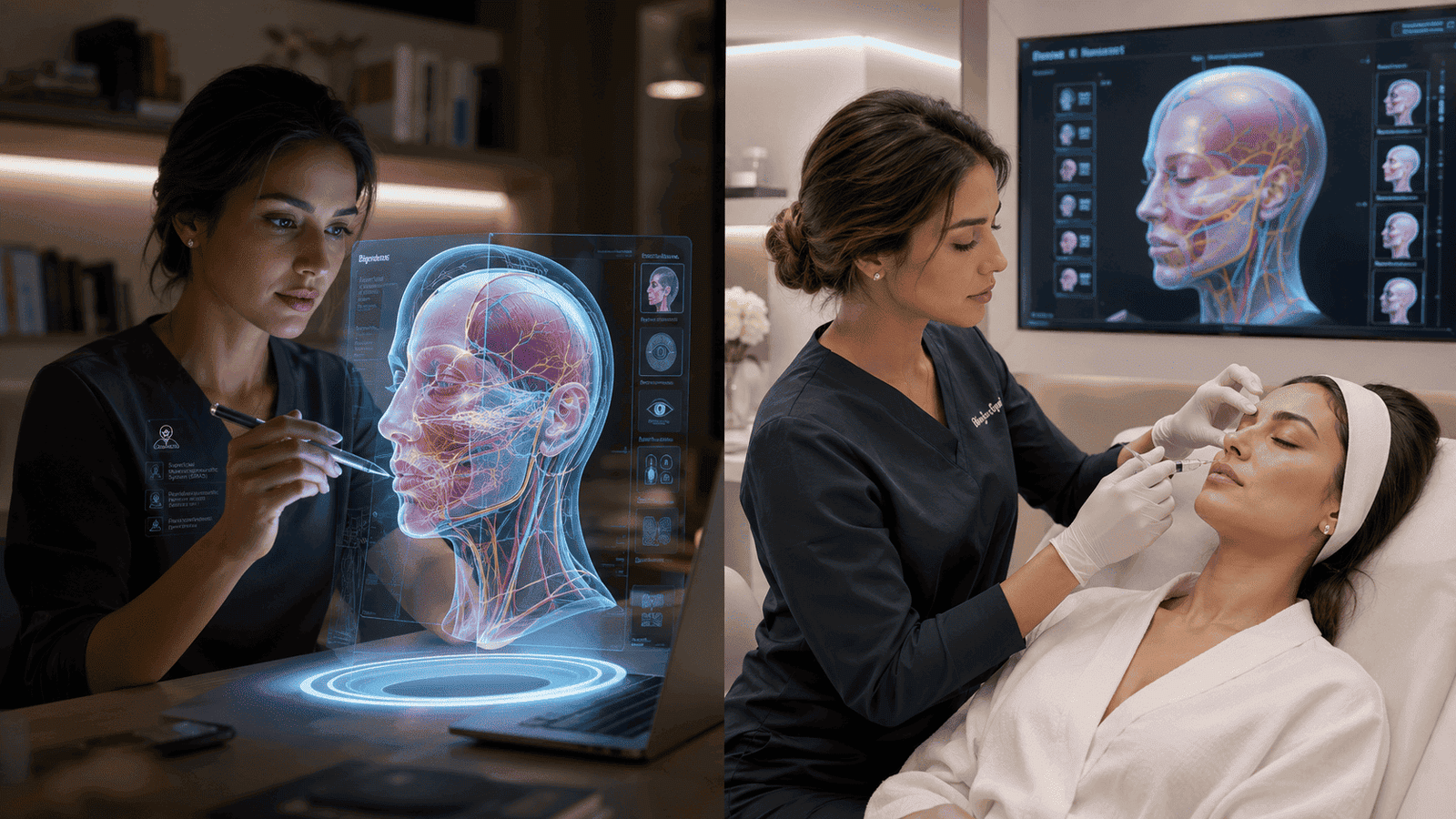
Aesthetic treatments interact with biological systems that control protection, pigmentation, inflammation, and repair. Their outcomes depend on more than the selected product or device. Understanding skin physiology helps practitioners assess suitability, anticipate recovery, and recognize when treatment should be postponed. This scientific foundation should be central to medical aesthetics certification.
For nurses researching aesthetic nurse certification online, curriculum quality deserves particular attention. Education should explain how skin responds to intervention, alongside indications, contraindications, and practical requirements. Demonstrations become more meaningful when learners understand the tissue processes behind them.
Advanced skincare training cannot guarantee results or eliminate complications. It can, however, strengthen the reasoning behind assessment, treatment selection, aftercare, and referral. These capabilities matter when caring for patients with different skin tones, medical histories, ages, and cosmetic goals.
Skin Physiology Explains Why Treatment Responses Differ
Anatomy describes skin structures; physiology explains how those structures function. Both are necessary for understanding treatment effects.
The epidermis provides an outer protective interface, while the dermis contains connective tissue, blood vessels, nerves, and other supporting structures. Subcutaneous tissue beneath contributes cushioning and insulation.
These layers do not respond identically to intervention. Surface exfoliation, controlled needling, and energy-based treatments affect different structures through different mechanisms. A protocol appropriate for one intervention cannot automatically guide another.
Even the same procedure may produce different responses across patients or treatment sites. Assessment must therefore connect the intended effect with the condition of the tissue being treated.
Barrier Function Comes Before Cosmetic Correction
This explains why barrier assessment belongs before treatment selection. Persistent stinging, scaling, dryness, or irritation may signal a problem requiring further evaluation.
A patient requesting treatment for a dull complexion, for example, may already be using several exfoliating products. Additional exfoliation without assessing irritation could aggravate the concern.
Training should also distinguish hydration from oil production. Surface oiliness does not establish that the barrier is healthy, and visible dryness does not reveal its cause. A useful assessment considers symptoms, skincare habits, examination findings, and clinical history together.
Epidermal Renewal Is More Complex Than “Removing Dead Skin”
Skin renewal involves cell production, differentiation, and eventual shedding. These processes support barrier maintenance rather than simply creating material that needs removal.
Practitioners should understand that increasing exfoliation is not a universal answer to roughness, congestion, or uneven appearance. Similar concerns can have different causes, including inflammatory disease or product irritation.
An immediate smooth feeling also provides limited information about longer-term tolerance. Follow-up should consider comfort, persistent inflammation, pigmentation, and recovery alongside visible change.
Medical aesthetics training online should teach learners to distinguish the intended treatment response from excessive irritation. That distinction supports decisions about postponing another session or seeking medical assessment.
Inflammation Can Support Repair or Complicate Recovery
Inflammation is part of the body’s response to injury and infection. Some aesthetic procedures deliberately initiate a controlled tissue response, but greater inflammation does not necessarily produce greater benefit.
The FDA identifies redness, discomfort, bleeding, and other reactions among potential microneedling effects, alongside less common complications such as infection and pigment changes. Practitioners must understand both expected recovery and reasons for reassessment.
Training should address:
- Which responses are anticipated for the specific procedure.
- How symptoms should progress during recovery.
- Which findings require prompt clinical review.
- How patients can contact the practice with concerns.
These distinctions require procedure-specific guidance. Describing every post-treatment reaction as “normal healing” can delay appropriate care.
Pigmentation Requires More Than a Skin-Tone Label
Melanocytes produce melanin, which contributes to skin color. Inflammation or injury can trigger increased pigmentation, creating post-inflammatory hyperpigmentation.
Practitioners should ask about previous pigmentation after breakouts, wounds, or procedures. Recent tanning, ongoing inflammation, and earlier treatment reactions also matter.
Skin classification systems can support assessment, but they cannot replace individual history. Ethnicity alone is insufficient for selecting a procedure or predicting recovery.
Advanced education should also distinguish different causes of discoloration. Treating every brown patch as the same condition can lead to unsuitable recommendations or missed opportunities for referral.
Collagen Remodeling Takes Time
Collagen and other extracellular matrix components contribute to dermal structure. Some procedures aim to influence remodeling through controlled tissue effects.
Practitioners need to distinguish immediate appearance from later biological change. Early swelling may temporarily affect how a treated area looks, while remodeling develops over a longer period.
This matters for expectations and scheduling. A patient who sees little immediate improvement may request another intervention before the response to the first has been assessed.
Appropriate intervals depend on the procedure, device instructions, clinical findings, and responsible clinician’s plan. A fixed schedule based only on package sales overlooks those differences.
Sound education also challenges the assumption that deeper, stronger, or more frequent treatment is always more effective.
Product Formulation and Delivery Change Skin Exposure
An ingredient’s name does not fully describe its behavior. Concentration, formulation, contact time, and barrier condition influence exposure and tolerability.
Online medical aesthetics training should therefore explain product compatibility, intended use, and device labeling. Familiarity with a serum’s retail benefits does not establish its suitability for procedural delivery.
Aftercare should be equally specific. Practitioners should explain which products to use, which to avoid temporarily, and when reassessment is needed, following the applicable clinical plan.
What Medical Aesthetics Certification Should Teach About Physiology
When comparing medical aesthetics training programs, applicants should examine how scientific knowledge is applied. A physiology lecture is useful, but learners also need opportunities to interpret cases.
An effective case might describe a patient with pigmentation, recent irritation, and a request for resurfacing. Assessment should test what additional information is needed and whether treatment is appropriate.
A credible aesthetic training institute should provide:
- Clear learning outcomes and identifiable faculty.
- Evidence-informed explanations of treatment mechanisms.
- Cases involving different skin tones and clinical histories.
- Meaningful assessment with explanatory feedback.
- Clear boundaries between theoretical learning and practical competence.
These criteria apply when reviewing online aesthetic medicine courses or comparing aesthetic medicine courses online. The educational value lies in the quality of learning, rather than the number of certificates included.
Online aesthetic courses can support theoretical development. An online aesthetics course does not independently expand professional scope or replace supervised procedural training.
Conclusion
Understanding skin physiology helps practitioners connect treatment mechanisms with individual patient needs. Barrier function, inflammation, pigmentation, and remodeling all influence suitability, recovery, and the interpretation of results.
Healthcare professionals considering medical aesthetics certification through Abact should examine how thoroughly the curriculum develops these connections. Advanced training is most useful when it supports informed decisions, practical competence, and appropriate referral throughout patient care.
FAQs
1. Why does skin physiology matter in aesthetic practice?
It explains how skin functions and responds to intervention. This knowledge supports assessment, treatment planning, recovery monitoring, and recognition of complications.
2. Can oily skin have an impaired barrier?
Yes. Oil production and barrier function are different characteristics. Assessment should consider irritation, symptoms, product use, and examination findings rather than oiliness alone.
3. Does stronger treatment always produce better results?
No. Greater intensity can increase tissue injury without improving the outcome. Treatment selection should follow individual assessment and procedure-specific guidance.
4. Why can pigmentation appear after treatment?
Inflammation or injury can stimulate excess pigmentation. Individual history, skin characteristics, treatment factors, and recovery all influence the risk.
5. Can online education prepare practitioners to perform procedures independently?
It can develop theoretical knowledge and clinical reasoning. Procedural readiness also requires appropriate professional authorization, practical training, and demonstrated competence.