Android devices are now the backbone of many business operations. From retail stores and logistics companies to healthcare providers and educational institutions, organizations rely on Android smartphones and tablets for daily workflows. As businesses deploy more devices, IT teams need to understand both device recovery tools like fastboot mode android and security solutions such as web filtering software and kiosk mode. Together, these technologies help organizations maintain secure, reliable, and productive device fleets.
In this guide, we’ll explain what Android Fastboot Mode is, when it should be used, and how enterprises can combine it with web filtering and kiosk management to create a secure mobile environment.
What Is Android Fastboot Mode?
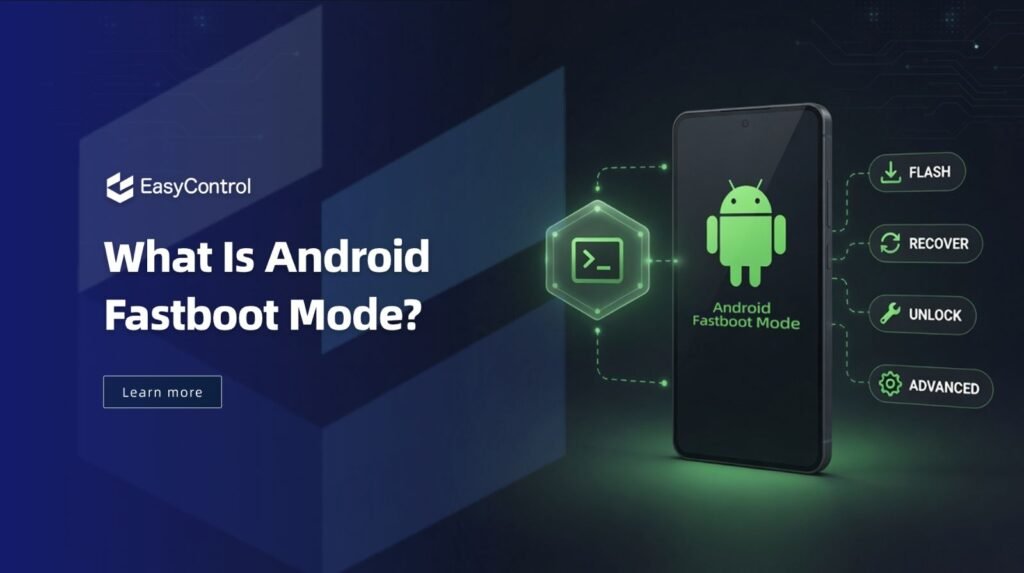
Fastboot mode android is a low-level bootloader mode available on most Android devices. It allows users and IT administrators to communicate with the device before the Android operating system fully loads.
Using Fastboot Mode, administrators can:
- Unlock or relock the bootloader
- Flash firmware or recovery images
- Restore corrupted system files
- Perform advanced troubleshooting
- Recover devices that fail to boot normally
Unlike Recovery Mode, Fastboot Mode requires a computer with Android SDK Platform Tools and a USB connection. It is primarily intended for developers, repair technicians, and enterprise IT professionals.
Why Enterprise IT Teams Use Fastboot Mode
When organizations manage hundreds or even thousands of Android devices, software failures are inevitable. Devices may become stuck during updates, experience boot loops, or require firmware restoration.
In these situations, fastboot mode android becomes an essential recovery tool. IT teams can quickly restore devices without replacing hardware, reducing downtime and operational costs.
Common enterprise scenarios include:
- Recovering devices after failed OTA updates
- Flashing approved firmware versions
- Removing corrupted operating systems
- Preparing devices before enterprise deployment
- Troubleshooting devices used in kiosks and dedicated business environments
However, while Fastboot Mode is excellent for recovery, it is not designed for everyday device security.
Why Recovery Alone Isn’t Enough
Recovering a device is only one part of enterprise device management. Once the device is operational, businesses must ensure employees use it appropriately.
Without proper security policies, users may:
- Visit malicious websites
- Download unauthorized applications
- Access inappropriate content
- Waste work hours on entertainment sites
- Expose sensitive business data
This is where web filtering software becomes critical.
How Web Filtering Software Improves Enterprise Security
Web filtering software enables organizations to control which websites users can access on managed devices.
Instead of allowing unrestricted browsing, administrators can create policies that permit only work-related websites while blocking harmful or distracting content.
Typical web filtering capabilities include:
- Blocking social media during work hours
- Preventing access to phishing websites
- Restricting adult content
- Allowing only approved business portals
- Creating category-based browsing policies
- Enforcing compliance across all corporate devices
For businesses with field employees, retail staff, delivery drivers, or warehouse workers, web filtering significantly reduces security risks while improving productivity.
Kiosk Mode: The Next Level of Device Control
Another powerful enterprise feature is kiosk mode.
Rather than simply filtering websites, kiosk mode restricts the entire device to specific applications or workflows.
For example:
- A restaurant tablet only displays the ordering application.
- A retail POS tablet runs only billing software.
- A logistics device launches only delivery management apps.
- A digital signage display shows approved content continuously.
By enabling kiosk mode, organizations eliminate unnecessary user interactions that could compromise security or reduce efficiency.
Single-App Kiosk Mode locks the device to one application, while Multi-App Kiosk Mode allows access only to selected business apps.
Combining Fastboot Mode, Web Filtering Software, and Kiosk Mode
Each technology serves a different purpose, but together they provide comprehensive Android device management.
Fastboot Mode
- Restores and repairs devices
Web Filtering Software
- Protects internet access
Kiosk Mode
- Restricts device functionality
Consider a logistics company managing 1,000 rugged Android handhelds.
If several devices fail after a software update, IT administrators use fastboot mode android to reinstall the approved firmware.
After recovery, the devices are enrolled in the organization’s management platform, where:
- Web filtering blocks unauthorized websites.
- Kiosk mode limits access to logistics applications.
- Security policies prevent unauthorized configuration changes.
- Devices remain compliant throughout their lifecycle.
This layered approach minimizes security risks while keeping employees focused on business tasks.
Best Practices for Enterprise Android Device Management
Organizations can maximize security by following these best practices:
Maintain Approved Firmware Versions
Always flash only verified firmware during Fastboot recovery to avoid compatibility and security issues.
Deploy Reliable Web Filtering Software
Use enterprise-grade web filtering software that supports centralized policy management and real-time monitoring.
Enable Kiosk Mode Where Appropriate
Shared devices used in retail, manufacturing, transportation, and healthcare should operate in kiosk mode to prevent misuse.
Restrict Administrative Access
Only authorized IT personnel should have permission to use Fastboot Mode or modify bootloader settings.
Monitor Devices Continuously
Track device health, browsing activity, compliance status, and installed applications to identify potential issues before they become serious.
Automate Security Policies
Modern Unified Device Management platforms allow administrators to automatically apply web filtering rules, kiosk profiles, Wi-Fi settings, and application policies to new devices.
How EasyControl Simplifies Enterprise Android Management
While fastboot mode android helps recover devices, organizations also need a solution for ongoing management.
EasyControl provides a comprehensive Unified Device Management platform that enables IT teams to:
- Deploy devices remotely
- Configure kiosk mode
- Apply web filtering policies
- Monitor device health
- Push applications and updates
- Restrict unauthorized settings
- Track device locations
- Manage large Android fleets from a centralized dashboard
Instead of manually configuring each device after recovery, administrators can automate deployment and policy enforcement across the entire organization.
This significantly reduces administrative effort while improving security and consistency.
Final Thoughts
Understanding fastboot mode android is essential for enterprise IT professionals responsible for maintaining Android devices. It offers powerful recovery capabilities that help restore devices quickly after software failures.
However, recovery alone does not guarantee security. Businesses should complement Fastboot Mode with enterprise web filtering software to control internet access and kiosk mode to restrict device functionality to approved business applications.
When combined with a modern Unified Device Management platform like EasyControl, these technologies create a secure, efficient, and scalable Android management strategy. Organizations can reduce downtime, improve employee productivity, strengthen cybersecurity, and ensure every corporate device remains compliant throughout its lifecycle.
Whether you’re managing a handful of tablets or thousands of enterprise Android devices, integrating Fastboot recovery, web filtering, and kiosk management is a proven best practice for modern mobile device administration.