Traditional Ingredients, Digital Shopping and Quality Standards Shape India’s Ayurvedic Personal Care Industry
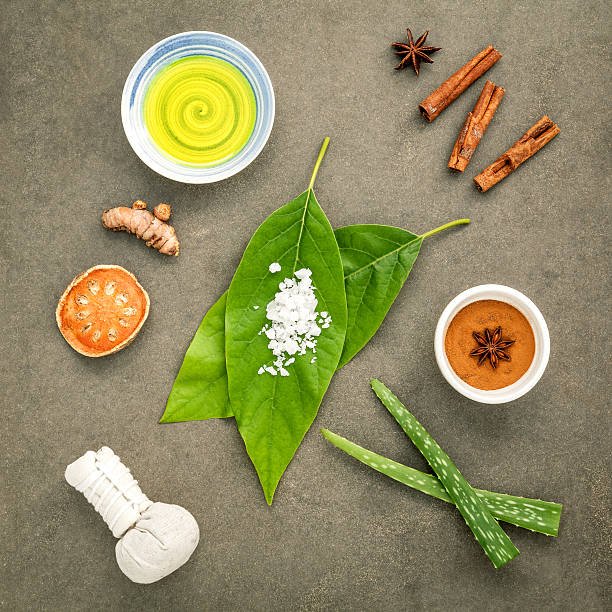
India’s personal care industry is experiencing changing consumer preferences as traditional wellness practices become increasingly integrated into everyday grooming and self-care routines. Ayurvedic personal care products are gaining attention across skincare, haircare, oral care, bath and body care, and other hygiene categories. Consumers are showing interest in herbal ingredients, traditional formulations, and products that connect established practices with contemporary personal care requirements.
The expansion of digital retail, increasing awareness of product ingredients, and growing attention to manufacturing standards are also influencing the competitive environment. According to a study published by Vyansa Intelligence, India’s Ayurvedic personal care products industry was valued at USD 5.6 billion in 2025 and is projected to reach USD 19.4 billion by 2032, registering a compound annual growth rate (CAGR) of 19.42% during 2026–2032.
Traditional Ayurvedic Practices Influence Everyday Personal Care
Ayurveda has a long-established presence in India’s personal wellness practices. Ingredients such as neem, turmeric, amla, aloe vera, and other botanical extracts are commonly associated with traditional skincare, haircare, and personal hygiene routines. Their continued use in contemporary products reflects the connection between traditional ingredient knowledge and modern consumer preferences.
Ayurvedic personal care products are no longer limited to specialised wellness outlets. They are available through supermarkets, pharmacies, beauty retailers, brand-owned stores, and digital marketplaces. This wider availability is allowing consumers to incorporate traditional formulations into regular grooming habits.
Manufacturers are also adapting traditional ingredients to contemporary product formats, including shampoos, facial cleansers, moisturisers, oral care products, body washes, and personal hygiene formulations. The combination of familiar ingredients and convenient product formats is influencing how Ayurvedic products compete within the broader personal care sector.
Skincare Maintains an Important Product Position
Skincare represents approximately 30% of India’s Ayurvedic personal care products industry by product share, making it the leading product category identified in the study. The segment benefits from the established use of botanical ingredients in facial care, moisturising, cleansing, and other everyday skincare applications.
Products containing neem, turmeric, sandalwood, aloe vera, and herbal extracts are used across different formulations. Face washes, creams, lotions, moisturisers, and face packs provide manufacturers with opportunities to address different consumer requirements and purchasing preferences.
The wider product landscape also includes haircare, oral care, bath and body care, baby care, grooming products, and hygiene-oriented personal care solutions. This diversification allows manufacturers to operate across multiple consumption occasions rather than depending on a single product category.
As consumers become more attentive to formulation details, ingredient transparency and product consistency are becoming important considerations in purchasing decisions.
Women Represent a Significant Consumer Group
Women account for approximately 52% of consumption in India’s Ayurvedic personal care industry, according to the industry study. Their participation reflects the importance of skincare, haircare, grooming, and everyday personal hygiene products within household and individual purchasing patterns.
However, the industry also serves men, teenagers, children, and senior consumers. Changing grooming preferences among men and increasing attention to age-specific personal care requirements are creating opportunities for differentiated product development.
Manufacturers are responding through products designed around different age groups, gender preferences, and personal care applications. Unisex formulations and products positioned around everyday hygiene also contribute to the expanding category.
This broad consumer base is encouraging companies to develop more varied product portfolios while maintaining a focus on ingredient quality, formulation suitability, and accessibility.
Digital Commerce Changes Product Discovery and Purchasing
The expansion of internet access and smartphone usage is transforming product discovery and purchasing behaviour in India. E-commerce marketplaces, direct-to-consumer websites, online pharmacies, and quick-commerce platforms are creating additional distribution opportunities for Ayurvedic personal care manufacturers.
According to India’s Ministry of Statistics and Programme Implementation, 86.3% of households had internet access within their premises during January–March 2025, while 85.5% owned at least one smartphone. These developments provide a broader digital foundation for online product discovery and retail transactions.
Digital platforms allow consumers to compare ingredients, prices, packaging, product descriptions, and customer feedback. They also provide smaller and specialised manufacturers with opportunities to reach consumers beyond their immediate geographical locations.
However, increased digital visibility also creates challenges involving product authenticity, misleading descriptions, and unsupported benefit claims. Accurate product information and transparent communication are therefore important for maintaining consumer confidence.
Quality Standards and Regulatory Compliance Become More Important
Quality assurance is becoming an important factor influencing competition among Ayurvedic personal care manufacturers. As the category expands, consumers and distribution partners increasingly expect consistency in ingredient sourcing, manufacturing practices, product composition, and labelling.
The Ministry of Ayush has established pharmacopoeial standards and quality-related initiatives for traditional medicine products. These developments are relevant to manufacturers operating in regulated AYUSH product categories. However, Ayurvedic-inspired cosmetics and personal care products may fall under different regulatory classifications depending on their formulation and intended use.
The Government of India’s quality assurance initiatives also highlight the importance of manufacturing compliance and product testing. For manufacturers, maintaining appropriate quality systems can support product credibility while helping address regulatory and distribution requirements.
Smaller businesses may face challenges associated with testing expenses, sourcing reliable raw materials, and maintaining consistent production standards. These requirements can influence competition between established manufacturers and emerging brands.
Export Opportunities Expand Industry Participation
International interest in traditional Indian wellness practices is creating opportunities for manufacturers involved in Ayurvedic personal care. Products featuring botanical ingredients and traditional formulations can appeal to international consumers interested in heritage-based personal care and natural beauty products.
Export participation, however, requires manufacturers to consider destination-country regulations, ingredient restrictions, product safety requirements, packaging standards, and documentation. Requirements can differ considerably between countries, particularly for products classified as cosmetics, traditional medicines, or other wellness products.
The growing emphasis on quality standardisation and traceability is therefore relevant to companies exploring international distribution. Manufacturers capable of maintaining consistent formulations and appropriate compliance documentation may be better positioned to establish relationships with international distributors.
Competitive Landscape and Industry Outlook
India’s Ayurvedic personal care industry includes more than 10 active companies, with the five leading participants collectively accounting for approximately 35% of the industry. This indicates a competitive environment involving established Ayurvedic brands and manufacturers with different product portfolios and distribution capabilities.
Major participants identified in the industry study include Biotique, Forest Essentials, Kama Ayurveda, Dabur India Ltd., Himalaya Wellness Company, and Patanjali Ayurved Ltd.
Competition is influenced by product innovation, ingredient sourcing, brand recognition, pricing, and distribution reach. Companies are also differentiating their offerings through premium formulations, traditional ingredient combinations, and products designed for specific personal care requirements.
Looking ahead, India’s Ayurvedic personal care industry is expected to develop through the combined influence of traditional wellness preferences, expanding digital commerce, and increasing attention to product quality. Skincare, which already represents approximately 30% of product consumption, remains an important category, while haircare, oral care, bath and body care, and hygiene products provide additional areas for product development.