How to Choose the Right Baby Bibs for Different Feeding Stages
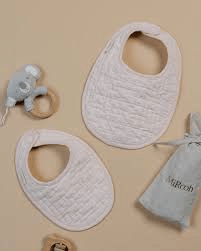
Baby bibs are among the simplest everyday essentials parents use during feeding and routine baby care. From milk dribbles in the early months to drooling and food spills when a baby starts eating solids, the type of bib needed can change as the baby grows.
Choosing a bib is not just about picking a cute print. Its fabric, absorbency, coverage, fastening and ease of cleaning all influence how useful it will be. Understanding these differences can help parents choose practical options for each stage instead of buying several styles that serve the same purpose.
1. For Early Milk Feeds: Choose Soft and Lightweight Bibs
During the early months, babies may have small milk dribbles around the mouth and chin during or after feeding. A lightweight bib can help catch minor spills and reduce the need to change clothes frequently.
When choosing a bib for this stage, consider:
- Soft fabric that feels comfortable against the baby’s skin
- Lightweight construction that does not feel bulky
- Gentle edges around the neck
- Enough front coverage to protect the clothing
- Easy washing and quick drying
Muslin cotton is one option parents may consider because it is lightweight and breathable. The bib should fit comfortably without pressing against the baby’s neck.
Remember that a bib is intended to protect clothing, not to replace a burp cloth used to catch larger spills while burping.
2. During the Drooling Stage: Prioritise Absorbency
Some babies drool more as they grow and begin teething. During this stage, a bib can help absorb moisture around the chin and upper chest.
Look for a design that:
- Absorbs everyday moisture effectively
- Covers the front of the chest
- Feels soft when it comes into contact with the skin
- Can be changed easily when damp
- Does not have loose ties or unnecessary cords
A soft, absorbent option can be useful when the baby is playing or spending time with family. However, a wet bib should be changed rather than left on for long periods.
Parents should also check the skin around the neck regularly and gently clean and dry the area if moisture collects in its folds.
3. When Starting Solid Foods: Look for Better Coverage
Once your baby is ready for complementary foods, feeding can become messier. Purees, mashed foods and small food portions may spill onto the chest and front of the outfit.
At this stage, coverage becomes particularly important. Consider bibs that:
- Cover a larger area of the chest
- Are easy to put on and remove
- Can be washed after messy meals
- Have secure, comfortable fastenings
- Allow the baby to move freely
Some parents prefer a fabric bib for everyday meals, while others may consider wipe-clean or waterproof-backed styles for particularly messy foods.
Choose a design based on the baby’s feeding habits and the cleaning effort you can manage. A bib should make mealtimes easier without restricting movement or interfering with feeding.
4. Compare Fabrics Before Buying
Different materials offer different benefits. Understanding the basic differences can help parents select bibs for their daily routine.
Muslin cotton: Lightweight and breathable, making it a practical option for milk dribbles and everyday drooling. It is also washable and suitable for repeated use when cared for according to its instructions.
Terry cotton: Its textured surface can provide useful absorbency. Parents may prefer it when they want a bib that can handle regular moisture.
Waterproof-backed fabric: This can help protect clothing during messy meals, depending on the construction and quality of the bib. Check the product’s care instructions before washing.
Silicone: These bibs are generally easy to wipe clean and some designs include a pocket to catch falling food. Check that the material and design are suitable for your baby’s age and that the bib fits comfortably.
There is no single material that works best for every situation. Parents can choose according to the baby’s stage, the type of mess and how frequently they want to wash bibs.
5. Check the Fit and Fastening
A bib should sit comfortably around the neck without being too tight or leaving excessive space. An uncomfortable fit can make babies resist wearing it, while a bib that moves around may not protect the clothing effectively.
Before purchasing, check:
- Whether the neck opening is suitable for your baby’s size
- Whether the fastening is secure and easy for an adult to operate
- Whether there are rough edges or irritating seams
- Whether the bib provides enough front coverage
- Whether snaps or other fastenings are firmly attached
Adjustable snap closures can be convenient because they allow parents to change the fit as their baby grows. Always inspect the fastening regularly and stop using a bib if it becomes damaged.
6. Keep Safety in Mind During Everyday Use
Because bibs are worn around the neck, supervision is important. A bib should only be used while an adult is attending to the baby.
Follow these precautions:
- Remove the bib before putting your baby down to sleep.
- Never leave a baby unattended while wearing a bib.
- Avoid bibs with long cords or loose decorative pieces.
- Check regularly for damaged fastenings or loose parts.
- Change a bib when it becomes wet or heavily soiled.
- Make sure it does not interfere with your baby’s breathing or movement.
A bib is a clothing-protection accessory, not a feeding or sleep-safety device.
7. Choose Bibs That Are Easy to Maintain
Since bibs are used frequently, washing convenience matters. Before buying, check the manufacturer’s cleaning instructions and choose a design that fits your household laundry routine.
For regular care:
- Remove food residue soon after use.
- Rinse or pre-treat stains according to the fabric instructions.
- Wash with a suitable detergent.
- Avoid harsh cleaning products unless the care label permits them.
- Dry completely before storing or using again.
Keeping a few clean bibs ready makes it easier to replace one immediately when it becomes damp or dirty.
8. Build a Practical Bib Collection
You do not need to buy every type of bib at once. Start with a few soft, washable options and add different styles when your baby’s needs change.
For example, a parent may begin with lightweight fabric bibs for milk dribbles and drooling, then add wider-coverage feeding bibs when the baby starts solids.
When exploring baby bibs online, compare the material, fastening and intended use rather than choosing by appearance alone. Kiids Kingdom’s muslin bibs are one option to consider for everyday feeding and drooling. The collection features muslin cotton bibs with adjustable snap closures.
Choose Bibs Based on Your Baby’s Needs
The right baby bib should suit the kind of mess your baby experiences at their current stage. Lightweight fabrics can be useful for milk dribbles and drooling, while wider-coverage designs may be more practical during solid-food meals.
Pay attention to fabric, fit, absorbency and cleaning instructions, and always remove bibs before sleep. A small, thoughtfully selected collection can make everyday feeding and clothing changes easier for parents.