What Makes Essentials Apparel Suitable for a Versatile Clothing Collection?
A versatile clothing collection saves money, time and space, but building one can feel confusing. Many shoppers buy attractive items that match nothing else, so their closets stay full while their outfits stay limited. The practical answer is to choose simple, adaptable pieces that combine easily. Essentials apparel suits this goal because its plain designs work across many outfits. This guide explains why. First, you will see what a versatile collection needs. Then you will learn why the brand suits versatility. Finally, you will get clear steps for building your own collection, so every purchase adds real value to your wardrobe.
What a Versatile Collection Needs
A versatile collection needs pieces that work together, adapt to different settings and stay comfortable through regular use. It does not require a large number of items. Instead, it relies on smart choices, such as shared colours, compatible shapes and fabrics that suit your climate. Essentials appears in many conversations about versatile clothing because simple designs rarely clash with other items. The next two sections explain how mix-and-match pieces create more outfits and why neutral colours and clean shapes matter, so you can judge each purchase by its flexibility instead of by a single attractive photo or temporary trend.
Pieces That Mix and Match
Pieces that mix and match create the most value in a collection. Imagine five tops and four bottoms: if every top works with every bottom, you can form twenty outfits without buying anything extra. This idea explains why random purchases waste money. Before buying, hold the item against your existing clothes and ask whether it works with at least three of them. Check colour, texture and silhouette. A loose top pairs best with a slimmer bottom, while a structured jacket can balance relaxed layers. Simple maths shows the benefit: every compatible addition multiplies your options, while every incompatible addition adds only one outfit.
Neutral Colours and Clean Shapes
Neutral colours and clean shapes make clothing easier to combine. Black, grey, white, navy and beige work with almost every other shade, so they form a safe foundation. Clean shapes avoid awkward details that limit styling, such as oversized graphics or unusual cuts. Essentials apparel follows this simple approach, which helps shoppers build outfits without long planning. Add colour gradually through one accent item, such as a cap or jacket, and keep the rest calm. This method protects your collection from becoming chaotic and lets you update your look cheaply when you want something fresh, without replacing your entire wardrobe.
Why the Brand Suits Versatility
The brand suits versatility because its clothing stays simple, comfortable and easy to style. Essentials pieces do not demand a specific outfit, so you can place them in many situations, from errands to casual meetings. This flexibility protects your budget. Versatility also depends on practical details such as soft fabrics, balanced proportions and relaxed fits. The next two sections explain how basics layer easily and why comfort across seasons increases usefulness, so you can see how a simple collection stays active throughout the year instead of sitting unused when the weather, your schedule or your daily plans suddenly change.
Basics That Layer Easily
Basics layer easily when they have simple shapes and calm colours. Warm weather outfits show this clearly, because tops can be layered over lighter bottoms without bulk. A pair of Short Essentials can sit under a loose tee, an open overshirt or a light hoodie, creating a relaxed outfit with several layers on top. When temperatures drop, you can switch to trousers and keep the same upper layers. Choose lengths that sit near the knee, and check that the waistband feels comfortable when you sit. This approach keeps one set of tops useful across both hot days and cool evenings.
Comfort Across Seasons
Comfort across seasons increases usefulness because clothes that suit only one month spend most of the year unused. Look for breathable cotton for warm weather and softer, thicker fabrics for cold weather. Essentials basics fit this plan because simple designs combine easily with lighter or heavier layers. In summer, wear one thin layer and allow airflow. In winter, add a hoodie, jacket and scarf without changing your base pieces. Check fabric labels before buying, and avoid materials that trap heat or feel scratchy. A collection built around seasonal flexibility saves money, because you replace fewer items and wear each piece for more months.
Building Your Versatile Collection
Building your versatile collection works best when you follow a plan. Start with a short list of needs, set a realistic budget and decide which colours belong in your palette. Essentials apparel can serve as the base, while your personal choices add character. Avoid rushing into large orders, because early mistakes are expensive. The next two sections explain how to choose your first core pieces and how to expand without overbuying, so your collection grows steadily and stays useful. A slow, thoughtful approach also teaches you which fits, fabrics and colours genuinely suit your body, your climate and your routine.
Choosing Your First Core Pieces
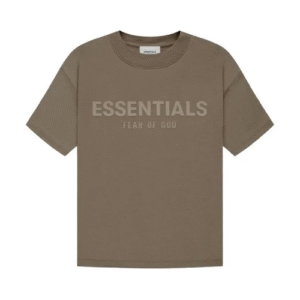
Choosing your first core pieces becomes simple when you focus on daily wear. Begin with three plain tees, one sweatshirt, one pair of straight trousers and one light jacket. A T Shirt Essentials item can serve as the main building block, because it works alone, under layers or tucked into relaxed trousers. Choose neutral shades and test the fit by lifting your arms and sitting down. Wash each piece once and check for shrinkage before adding more. Wear the collection for two weeks, then note which items you reach for first. Those choices reveal your real needs and guide future purchases.
Expanding Without Overbuying
Expanding without overbuying requires discipline. Before adding any item, ask three questions: does it match at least three pieces, does it fill a real gap and will I wear it every month? If the answer is no, wait. Essentials pieces can help you grow your collection steadily because they combine easily with what you already own. Set a monthly limit, keep a wishlist and review it after two weeks. When you do buy, donate or resell one old item to keep the closet balanced. Start today by listing your three biggest wardrobe gaps and choosing only one to fill first.