How Does a Square Bolt Maintain Joint Integrity Under Heavy Loads
Introduction
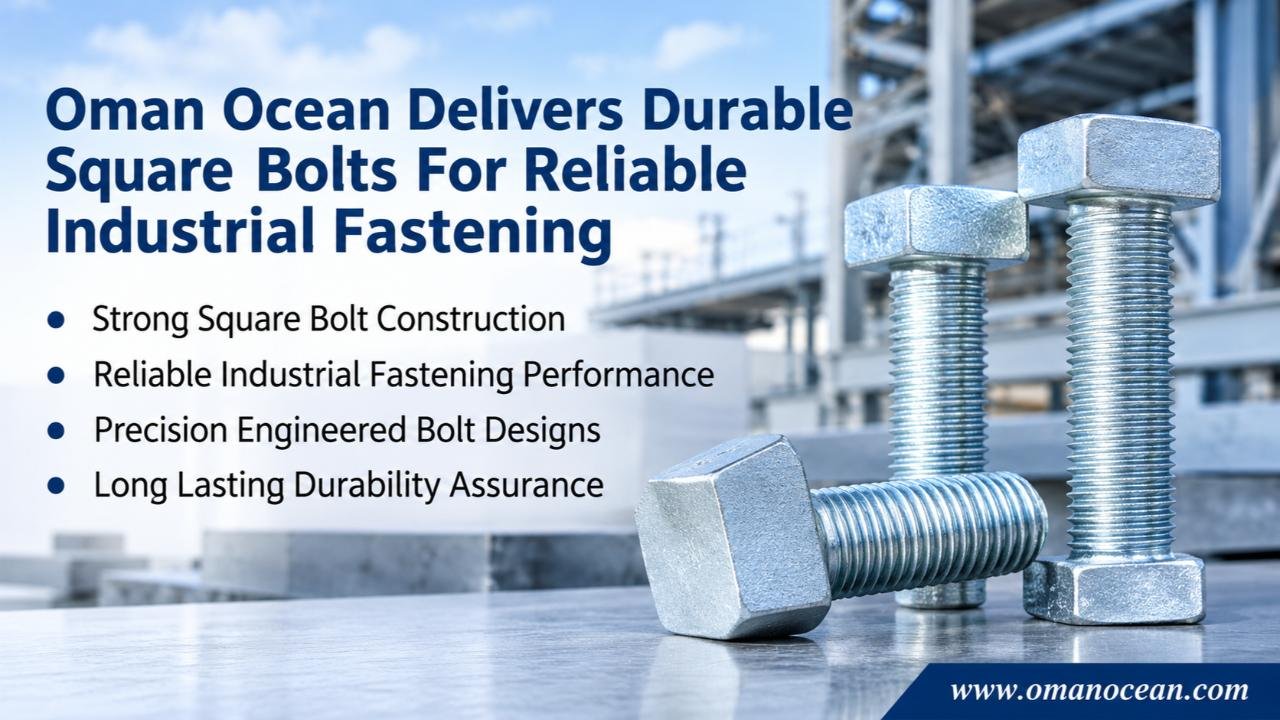
A Square Bolt is one of the oldest and most dependable fasteners in the hardware world, yet many newcomers overlook how much work it quietly handles inside heavy timber frames, rail tracks, and rugged machinery. If you walk past an old wooden bridge, a heavy-duty dock, or vintage industrial equipment, chances are high that a stout four-sided fastener is holding the whole assembly together under massive pressure. When builders need a connection that refuses to slip, twist, or loosen even after years of constant vibration and crushing weight, they routinely reach for a trusted Square Bolt.
Key Features of a Square Bolt That Keep Joints Tight
You might wonder why anyone still uses a four-sided head when six-sided hex fasteners seem to be everywhere today. The answer comes down to simple geometry and physical leverage. Because a square head has four broad, flat sides meeting at sharp ninety-degree corners, it offers a much larger gripping surface for a wrench than a six-sided head of the same width. When you crank down on it, your tool grabs onto wide flat faces instead of narrow corners, which drastically lowers the chance of rounding off the metal.
Even better, that wide head acts like a built-in brake against the material it sits on. Underneath the head, the broad bearing surface spreads clamping pressure across a generous patch of wood or steel. Instead of digging a tiny hole and sinking into the surface as weight builds up, the fastener distributes the squeeze evenly. In heavy timber construction, the flat sides of the head can even be countersunk into a square recess, locking the piece in place so it cannot spin while you tighten the nut on the opposite side.
How a Square Bolt Resists Vibration and Shifting Stress
Heavy loads rarely sit still. Think about a freight train rumbling over steel rails, a sawmill vibrating for twelve hours straight, or a wooden pier getting slammed by ocean waves day after day. In all these settings, joints face two nasty enemies: shear forces that try to slice the connection sideways, and constant shaking that slowly backs ordinary fasteners out of their holes.
A heavy-duty square head fastener handles both problems through sheer friction and shank strength. Because these bolts are typically forged with thick, sturdy shafts and coarse threads, they create a deep mechanical bite inside the matching nut. Coarse threads have taller ridges and wider valleys, which means dirt, rust, or minor thread wear will not easily strip them out under sudden shock loads. Once tightened, the tension stretches the shaft slightly like an ultra-stiff spring, pulling the joined plates or beams together with enough friction that sideways forces cannot slide them apart.
What Happens Inside the Joint Under Extreme Pressure
To really appreciate how this simple piece of hardware survives brutal conditions, it helps to look at the specific forces acting inside a loaded connection:
-
Broad Wrench Grip: The four wide faces let installers apply high torque without the wrench slipping, ensuring the joint reaches full clamping tightness right from the start.
-
Anti-Rotation Locking: When seated inside a square wood pocket or next to a raised metal shoulder, the flat sides physically block the head from turning during maintenance or heavy shaking.
-
Even Load Distribution: The generous underside of the head prevents crushing and wood-fiber collapse, keeping the joint from developing slack over time.
-
Coarse Thread Holding Power: Deep, rugged thread grooves resist stripping and maintain strong clamping tension even when exposed to outdoor weather, dust, or heavy shock.
Choosing the Right Setup for a Square Bolt Connection
Getting maximum strength out of a joint is never just about picking a tough fastener; it is also about pairing it with the right supporting hardware. If you drive a bare bolt straight into soft timber or thin metal without a flat washer under the nut, tightening it down can chew up the surface and gradually rob the joint of its tension. Adding a thick, wide washer gives the nut a smooth, hard track to spin against so you can torque it properly without tearing up the material underneath.
Material choice matters just as much as the hardware layout. Outdoor structures near saltwater, damp soil, or rain need hot-dip galvanized or stainless steel versions so rust does not eat away at the shank over the years. Meanwhile, indoor industrial frames or heavy equipment mounts often rely on high-carbon steel for extra tensile strength. Matching the bolt length properly is another easy win: you want just enough threaded shaft sticking past the nut to ensure full thread engagement without leaving a long tail exposed to accidental bumps or bending.
Conclusion
At the end of the day, keeping a heavy structure safe and solid does not always require complicated modern engineering. Through its wide wrenching faces, generous bearing surface, and rugged coarse threads, a well-fitted fastener turns simple tightening force into long-lasting joint stability that stands up to vibration, weight, and harsh environments. Whenever your next construction, marine, or industrial project demands reliable hardware you can count on for the long haul, sourcing top-grade fasteners from Oman Ocean Trading LLC ensures your connections stay rock-solid under every load.
For more practical guides and insights, explore the latest resources at servixio.adseon.xyz