Sartaaj F1 Hybrid Tomato Seeds: A Promising Option for Commercial Tomato Farming
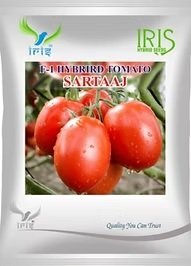
Tomato cultivation offers farmers an opportunity to grow a widely used vegetable with regular market demand. From fresh consumption to food processing, tomatoes are an important part of everyday diets. Choosing suitable seeds is one of the first steps toward establishing a healthy crop. Sartaaj F1 Hybrid Tomato Seeds are a suitable option for growers looking for attractive fruits, early maturity, and good crop performance under recommended growing conditions.
What Makes Sartaaj F1 Hybrid Tomato Seeds a Good Choice?
Sartaaj is a hybrid tomato variety developed for farmers interested in quality fruit production and commercial cultivation. The variety has a semi-determinate plant type and produces square-round fruits with an attractive red color.
Its fruit characteristics make it worth considering for growers supplying fresh vegetable markets. The variety is also described as having a wide sowing window, giving farmers flexibility when planning their crop according to local conditions.
Important Features of Sartaaj Tomato Seeds
Before selecting a hybrid variety, farmers should understand its main characteristics. Sartaaj offers the following features:
- Plant Type: Semi-determinate
- Fruit Shape: Square-round
- Fruit Color: Red
- Fruit Weight: Approximately 90–100 grams
- Fruit Size: Approximately 5 × 6 cm
- Maturity: Around 65–70 days after transplanting
- Disease Tolerance: TYLCV and bacterial wilt tolerance
These characteristics are based on the variety information available from Iris Seeds. Actual performance can vary depending on soil, climate, irrigation, and crop management.
Benefits of Growing Sartaaj Hybrid Tomato
One of the important considerations in tomato farming is fruit quality. Sartaaj produces attractive red fruits with a square-round shape, which may suit the preferences of many fresh vegetable markets.
The firm fruit characteristics can be useful during harvesting, handling, and transportation when proper care is taken. Its early maturity period may also help farmers plan their cultivation schedule more efficiently.
The semi-determinate growth habit is another feature that growers should consider while planning plant spacing and field management.
Soil Preparation and Growing Conditions
Tomato plants generally grow well in warm weather with adequate sunlight. Well-drained sandy loam or loamy soil is suitable for healthy root development.
Before planting, farmers should prepare the field by removing weeds and improving soil structure. Proper drainage is important because standing water can affect root health and plant growth.
Adding well-decomposed organic manure according to field requirements can help improve soil condition. Soil testing is recommended to understand nutrient availability and prepare a balanced fertilizer plan.
Seedling Development and Transplanting
Healthy seedlings are essential for successful tomato cultivation. Seeds should be raised in clean nursery trays or suitable nursery beds with a well-drained growing medium.
During the nursery stage, seedlings need proper moisture, sufficient light, and protection from unfavorable conditions. Farmers should avoid excessive watering and overcrowding.
Once seedlings reach the recommended transplanting stage, they can be planted in the main field. Following suitable spacing helps plants receive adequate sunlight and air circulation.
Crop Care for Better Growth
Proper irrigation is important throughout the tomato growing season. Water should be supplied according to soil moisture, weather conditions, and plant growth stages.
Balanced nutrition supports healthy vegetative growth, flowering, and fruit development. Farmers should apply fertilizers according to soil test results and recommended agricultural practices.
Regular field monitoring helps identify weeds, pests, and disease symptoms at an early stage. Maintaining field hygiene and following appropriate crop protection practices can support healthy plants.
Sartaaj is described as tolerant to TYLCV and bacterial wilt. However, tolerance does not mean complete immunity, so farmers should continue using recommended preventive measures.
Harvesting and Fruit Quality
Sartaaj F1 Hybrid Tomato reaches maturity in approximately 65–70 days after transplanting under suitable conditions.
Harvesting should be carried out according to fruit maturity and market requirements. Careful handling helps maintain fruit appearance and quality during transportation.
The red color, square-round shape, and firm fruit characteristics make Sartaaj a variety that growers may consider for fresh market production.
Conclusion
Selecting suitable hybrid seeds can help farmers plan a productive tomato crop. Sartaaj F1 Hybrid Tomato Seeds offer useful characteristics such as early maturity, attractive red fruits, firm fruit quality, and a semi-determinate plant type.
With proper nursery management, field preparation, irrigation, and balanced nutrition, farmers can work toward healthy plant growth and quality tomato production.
Visit us to learn more about Sartaaj F1 Hybrid Tomato Seeds and explore suitable hybrid varieties for your farming needs.