Flavored CBD Vape Oil: Understanding Flavors, Ingredients, and Product Quality
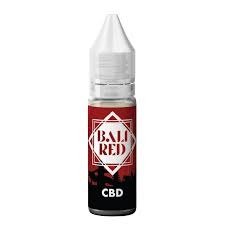
Flavored CBD vape oil is a topic of growing interest within the hemp-derived product industry. Consumers researching cannabidiol (CBD) products often want to understand the different formulations, flavor profiles, ingredients, and quality standards available in the marketplace. CBD is a naturally occurring compound found in hemp plants, and it is different from THC, the compound primarily responsible for the intoxicating effects of cannabis.
The term flavored CBD vape oil generally refers to a CBD liquid formulation marketed with a particular flavor profile. Depending on the manufacturer, product descriptions may mention fruit-inspired, mint-inspired, or other flavor varieties. These flavor descriptions help distinguish products in the marketplace, but consumers should pay attention to the actual ingredients rather than relying only on packaging or marketing claims.
Understanding product formulation is important when researching CBD products. Different manufacturers use different extraction methods and ingredient combinations. Some CBD formulations contain CBD isolate, while others use broad-spectrum or full-spectrum hemp extracts. Each category has a different cannabinoid composition, so checking the product label and laboratory documentation can help clarify what a product contains.
Ingredient transparency is particularly important for products intended for inhalation. Not every flavoring ingredient or carrier substance is suitable for inhaling, and some substances that are safe to eat may pose respiratory risks when heated and inhaled. Consumers should not assume that a flavored CBD product is safe simply because it is marketed for vaping. CBD vaping has not been established as a safe or effective wellness practice.
Another important consideration is product testing. Reputable manufacturers should provide independent laboratory reports showing cannabinoid concentrations and screening for potential contaminants. These reports can help consumers compare the information on product packaging with verified laboratory findings.
CBD concentration is another detail worth understanding. Product labels may display CBD content in milligrams, such as 500mg or 1000mg. These numbers generally represent the total stated CBD content rather than the amount in an individual serving. Reading the complete label helps prevent misunderstandings about product composition.
When exploring flavored CBD vape oil, consumers should also consider manufacturing transparency. Reliable product information should include ingredient details, batch identification, manufacturing information, and relevant safety warnings. Products with unclear ingredients or unsupported health claims should be approached cautiously.
It is also important to distinguish CBD vape liquids from traditional CBD tinctures. Oral CBD oils are formulated for a different application and should never be placed in vaping devices. Consumers should always follow product labeling and avoid using products for purposes other than their intended application.
CBD research continues to develop, and consumers should avoid treating promotional descriptions as proven medical benefits. CBD may interact with certain medications, so anyone taking prescription medicines should consult a qualified healthcare professional before considering CBD. Pregnant or breastfeeding individuals should avoid CBD products.
The hemp industry continues to evolve as consumers become more interested in product transparency, ingredient quality, and responsible manufacturing practices. Businesses that provide accurate descriptions and accessible testing information can help readers better understand the differences between available CBD formulations.
In conclusion, flavored CBD vape oil represents a product category within the wider hemp-derived marketplace. Understanding flavor descriptions, ingredients, cannabinoid formulations, laboratory testing, and potential respiratory risks is essential when researching these products. Consumers should prioritize transparent labeling, reliable laboratory documentation, and accurate information rather than relying on marketing promises.