Improving Jobsite Safety with Durable Rubber Weights
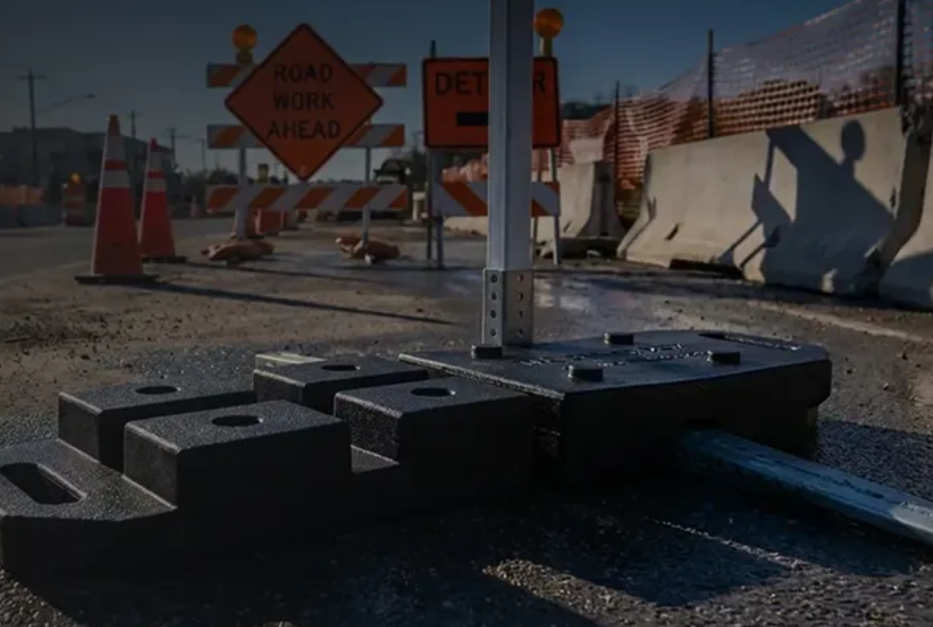
Construction sites and outdoor work environments require careful planning, reliable equipment, and consistent safety practices. From managing heavy machinery to organizing tools and securing temporary structures, every detail contributes to a safer workplace. Jobsite safety should always be a priority for contractors, construction managers, workers, and project supervisors. One important aspect of maintaining a secure work environment is ensuring that temporary signs, barriers, cones, and other equipment remain stable throughout the workday. Using a durable rubber weight can help prevent unnecessary movement and reduce potential hazards around active work areas.
Understanding the Importance of Jobsite Safety
Construction environments often involve multiple activities happening simultaneously. Workers may operate machinery, transport materials, install equipment, and move between different sections of a project. Without appropriate safety procedures, these activities can create dangerous situations.
A strong jobsite safety plan helps identify potential hazards before they cause injuries or property damage. It includes proper equipment placement, clearly marked restricted areas, organized walkways, and effective communication between workers.
Temporary signs and barriers are especially important because they help direct traffic and identify hazardous locations. However, these safety devices must remain properly positioned to serve their purpose. Wind, uneven surfaces, passing vehicles, and accidental contact can cause lightweight equipment to shift or fall. Adding appropriate weights provides additional stability and supports a more organized construction environment.
Why Stable Safety Equipment Matters
Temporary safety equipment plays an important role in controlling access and communicating important information. Warning signs alert workers and visitors to potential hazards, while barricades help prevent unauthorized entry into restricted areas.
When these devices become unstable, they may fail to provide the protection they were intended to offer. A fallen warning sign can leave a hazardous area unidentified, while a displaced barricade may allow pedestrians or vehicles to enter an unsafe zone.
Choosing suitable weights helps keep equipment securely positioned. A properly selected rubber weight can provide dependable support without requiring complicated installation procedures. Its practical design makes it useful for different applications, including temporary signage, traffic control equipment, and construction barriers.
Benefits of Using Rubber Weights on Construction Sites
Construction professionals need equipment that is practical, durable, and easy to handle. Rubber weights offer several advantages that make them a useful addition to jobsite safety supplies.
- Improved Stability
One of the primary benefits of using rubber weights is improved stability. Temporary signs and barriers can be affected by wind and movement around busy work areas. Adding weight helps reduce unwanted shifting and keeps equipment in its intended position.
- Durable Construction
Construction environments can expose equipment to demanding conditions. Materials may experience frequent handling, outdoor exposure, and contact with rough surfaces. Quality rubber products are designed to provide durability and reliable performance under regular use.
- Surface Protection
Rubber materials can provide a protective contact surface when used with compatible equipment. Compared with some hard materials, rubber may help reduce scratching and surface damage during placement and handling.
- Convenient Handling
Safety equipment frequently needs to be moved as construction projects progress. Rubber weights can offer a practical solution for workers who regularly reposition temporary signs and barriers. Their straightforward design makes them suitable for routine jobsite applications.
- Versatile Applications
A rubber weight can be used in several settings beyond traditional construction sites. Depending on its design and compatibility, it may support temporary signs, outdoor displays, barricades, event equipment, and other structures that require additional stability.
Supporting Safer Traffic Management
Traffic management is an essential part of many construction projects. Roadwork, parking lot repairs, utility installations, and building renovations often require temporary traffic control arrangements.
Signs, cones, and barricades help communicate directions and separate workers from moving vehicles. Their positioning must be carefully planned to provide clear visibility and appropriate separation.
Jobsite safety improves when traffic control equipment is stable, visible, and regularly inspected. Workers should check signs and barriers throughout the day, especially after strong winds, heavy rain, or significant changes in site activity.
Using appropriate weights can help prevent temporary equipment from moving out of position. However, weights should always be selected according to the equipment manufacturer’s recommendations and applicable traffic-control requirements.
Choosing the Right Weight for Your Equipment
Not every temporary structure requires the same amount of support. Selecting the correct weight depends on several factors, including equipment dimensions, environmental conditions, installation requirements, and expected exposure to wind.
Before choosing a product, consider the following points:
- Weight capacity: Make sure the product provides sufficient support for the equipment being secured.
- Material quality: Look for durable rubber construction that can withstand regular handling.
- Compatibility: Confirm that the weight fits the base or structure with which it will be used.
- Weather conditions: Consider whether the equipment will remain outdoors during windy or rainy conditions.
- Ease of installation: Choose a practical design that workers can position and remove safely.
- Maintenance requirements: Inspect products regularly for damage, excessive wear, or deterioration.
Taking these factors into consideration helps contractors select equipment that supports their overall safety strategy.
Maintaining an Organized Construction Environment
An organized jobsite is generally easier to manage and safer for everyone working within it. Tools should have designated storage areas, materials should be arranged properly, and walkways should remain clear.
Temporary signs and barriers should also be positioned strategically. Workers should be able to identify restricted areas without confusion, and visitors should receive clear directions when entering or moving around the property.
A reliable rubber weight can help maintain the positioning of compatible temporary equipment. When combined with proper placement and regular inspections, it contributes to a more controlled work environment.
Supervisors should establish routine inspection procedures to identify missing weights, damaged signs, unstable barriers, and other potential concerns. Addressing small problems early can prevent them from developing into larger safety issues.
Training Workers to Follow Safety Procedures
Even the most reliable equipment cannot replace proper worker training. Every employee should understand workplace hazards, emergency procedures, and the correct use of safety equipment.
Training should cover the importance of wearing appropriate personal protective equipment, following warning signs, maintaining safe distances from machinery, and reporting unsafe conditions.
Workers responsible for setting up temporary barriers should know how to position and secure them correctly. They should also understand when additional support is necessary and how to inspect equipment for damage.
Regular safety meetings provide an opportunity to discuss potential hazards and reinforce good practices. Encouraging employees to report concerns helps create a workplace culture where everyone participates in maintaining jobsite safety.
Long-Term Value of Reliable Safety Equipment
Investing in durable safety supplies can provide long-term practical benefits for construction businesses. Equipment that is easy to handle, inspect, and maintain can help reduce replacement needs and support consistent site organization.
Rubber weights are a useful option for contractors who need additional stability for compatible temporary equipment. Their versatility makes them valuable across construction projects, maintenance operations, outdoor events, and other environments where temporary structures must remain properly positioned.
Businesses should consider the overall quality, compatibility, and expected lifespan of their safety equipment rather than focusing exclusively on initial purchasing costs.
Conclusion
Maintaining a safe construction environment requires attention to every detail, from worker training and hazard identification to proper equipment selection and site organization. Jobsite safety depends on consistent procedures and reliable tools that help prevent avoidable accidents.
Incorporating a suitable rubber weight into temporary signage and barrier setups can improve stability and support more effective workplace organization. When combined with routine inspections, appropriate installation, and established safety procedures, these practical products can contribute to a safer and more efficient construction environment.
Contractors who prioritize dependable safety equipment and responsible workplace practices are better prepared to manage daily challenges, protect workers, and keep construction projects operating smoothly.