Thinking About a Beauty Career? Start With the Right Cosmetology Institute
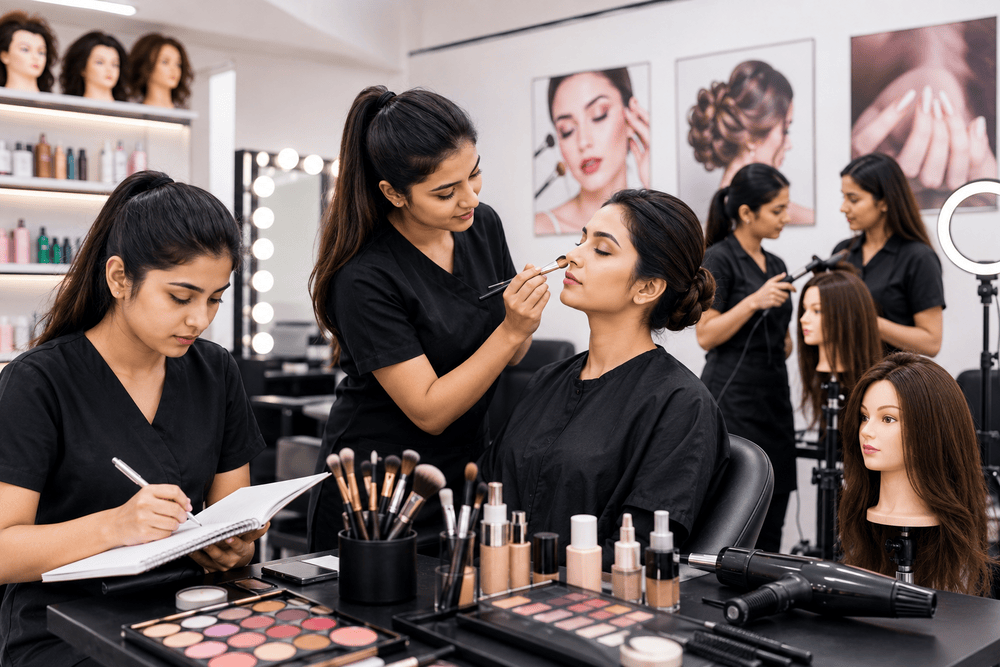
The beauty and wellness industry offers a wide range of career opportunities, from professional makeup artistry and skincare to hair styling, salon management, and advanced beauty treatments. As demand for trained professionals grows, many students are considering cosmetology as a career that combines creativity, practical skills, and client interaction.
However, choosing the right training institute is an important first step. A good course should do more than explain beauty techniques. It should help students understand skin and hair, follow hygiene standards, communicate with clients, and gain the confidence to work in a professional setting.
If you are searching for the best cosmetology institute in India, it is worth looking beyond advertisements and course fees. Understanding the curriculum, practical training, faculty experience, and career support can help you make a more informed decision.
1. Understand What Cosmetology Training Involves
Cosmetology covers several areas of beauty and personal care. Depending on the programme, students may learn skincare, hair care, makeup application, nail services, and salon practices.
A comprehensive course generally combines theoretical knowledge with hands-on training. For example, students learning skincare should understand different skin types, basic skin anatomy, product selection, sanitation, and the limitations of cosmetic treatments. Makeup students need to learn colour matching, face preparation, blending, and techniques suited to different occasions.
Before enrolling, identify the area that interests you most. Someone who wants to become a professional makeup artist may need a specialised makeup course, while a student interested in working across multiple beauty services may benefit from a broader cosmetology programme.
Having a clear career goal makes it easier to compare institutes and avoid paying for training that does not match your interests.
2. Check the Curriculum Before Comparing Fees
Course names can sound similar even when the training offered is very different. This is why reviewing the syllabus is essential.
Look for a curriculum that explains what you will learn, how much practical training is included, and whether the course covers professional workplace standards.
Important areas to examine include:
- Skin and hair fundamentals: Understanding skin types, hair textures, common concerns, and suitable cosmetic products.
- Practical beauty techniques: Opportunities to practise treatments and services under supervision.
- Hygiene and safety: Cleaning tools, disinfecting equipment, maintaining workstations, and following client safety procedures.
- Product knowledge: Understanding ingredients, product suitability, and potential sensitivities.
- Client consultation: Learning how to discuss expectations, identify contraindications, and recommend appropriate services.
- Professional development: Building communication skills, maintaining a portfolio, and understanding salon operations.
For instance, a student who learns facial techniques only through demonstrations may struggle when working with real clients. A programme that includes supervised practice and constructive feedback can help bridge this gap.
Ask the institute for a detailed syllabus and clarify whether practical materials, model practice, assessments, and certification are included in the quoted fees.
3. Evaluate Practical Training and Faculty Experience
Cosmetology is a skill-based profession. Reading about a technique is useful, but performing it correctly requires repeated practice.
When evaluating an institute, ask how practical sessions are organised. Find out whether students practise on training heads, models, or suitable live clients under supervision. Check the student-to-trainer ratio, access to equipment, and the process used to assess practical skills.
Faculty experience also matters. Trainers should be able to explain not only how a technique works but also why a particular approach is appropriate in different situations.
Consider a simple example: two students may know the steps involved in applying makeup, but only one may understand how lighting, skin preparation, product texture, and colour choice affect the final result. Practical guidance helps students develop this judgement.
If possible, attend a counselling session or request a campus visit before making a payment. Observing a classroom or practical session can provide a clearer picture of the learning environment than promotional photographs alone.
4. Look for Recognised Certification and Transparent Course Details
A certificate can support your professional profile, but its value depends on the programme, the issuing organisation, and the relevance of the training.
Before enrolling, ask who issues the certificate and whether the course has any formal recognition or affiliation. Verify specific accreditation claims directly with the relevant awarding body rather than relying solely on verbal assurances.
Also, review the institute’s written terms. These should explain the course duration, attendance requirements, examination process, certification conditions, refund policy, and any additional charges.
Do not assume that a longer course is automatically better or that an expensive certificate guarantees employment. The most useful programme is one that provides relevant skills, credible documentation, and sufficient practical experience for your intended career path.
5. Compare Career Opportunities After Training
Professional cosmetology training can open several career paths, depending on your specialisation, skill level, and experience.
Common options include:
- Salon professional: Providing services such as basic skincare, hair styling, or beauty treatments within your training scope.
- Makeup artist: Working on bridal makeup, special occasions, fashion shoots, or other suitable assignments.
- Skincare professional: Supporting clients with cosmetic skincare services and product recommendations within your qualifications.
- Nail technician: Offering nail care and nail art services after appropriate training.
- Beauty educator: Teaching others after developing sufficient technical expertise and relevant experience.
- Salon entrepreneur: Establishing a salon, freelance service, or beauty business after gaining practical experience and understanding business operations.
Career outcomes vary, so ask the institute whether it provides placement assistance, internship opportunities, portfolio guidance, or interview preparation. If placement figures are advertised, ask how they were calculated and whether they refer to actual jobs, internships, or freelance assignments.
A realistic career plan should also account for continuing education. Beauty trends, products, and techniques change frequently, making ongoing learning important throughout a professional’s career.
6. Avoid Common Mistakes When Selecting an Institute
Students sometimes make enrolment decisions based on incomplete information. A few simple precautions can prevent disappointment.
Choosing only by price: A low fee may appear attractive, but check what it includes. A course with limited practical sessions may require additional training later.
Trusting every placement promise: Ask for clear details about employer partnerships, internships, and the kind of assistance offered. No institute can guarantee that every student will secure a particular job or income.
Ignoring hygiene standards: Clean workstations, properly maintained tools, and safe working practices should be essential parts of training, not optional extras.
Overlooking personal interests: A student who enjoys makeup artistry may not need the same programme as someone planning to specialise in skincare or salon management.
Enrolling without reviewing the terms: Read the fee structure, cancellation policy, attendance rules, and certification requirements before signing an agreement.
Taking time to compare these details can help you choose a course based on long-term value rather than short-term impressions.
7. Questions to Ask Before You Enrol
Before finalising your decision, prepare a short list of questions for the admissions team:
- What topics and practical skills does the course cover?
- How many hours are dedicated to supervised practice?
- What qualifications and professional experience do the trainers have?
- What certificate will I receive after completing the programme?
- Are tools, products, uniforms, and examination fees included?
- Does the institute offer internships, placement assistance, or portfolio development?
- Can I review the refund policy and complete fee structure before paying?
Clear answers will help you compare institutes fairly and identify any gaps between the advertised programme and the actual learning experience.
8. Explore the Training Environment at Swiss School of Beauty
Students researching beauty education can also explore Swiss School of Beauty to learn more about its training programmes and available course options. Visit the Swiss School of Beauty website to review the information provided and contact the institute for details about current courses, admission requirements, practical training, and certification.
Use the same evaluation criteria when considering any institution: curriculum quality, practical exposure, faculty support, hygiene practices, and transparent course terms. A direct conversation with the admissions team can help you determine whether a programme aligns with your career goals and learning expectations.
Conclusion
Finding the best cosmetology institute in India requires more than comparing course names or choosing the most popular academy. The right choice depends on your career interests, the quality of practical training, the experience of the faculty, the relevance of the curriculum, and the credibility of the certification.
Take time to research different programmes, ask specific questions, and review the learning environment before committing to a course. If possible, speak with former students and request examples of the practical work students complete during training.
A strong foundation in beauty techniques, hygiene, client communication, and professional conduct can help you enter the industry with greater confidence. With the right training and a willingness to keep learning, cosmetology can become a rewarding career built around creativity, skill, and consistent professional development.