Does Dental Veneers Treatment Need Regular Checkups?
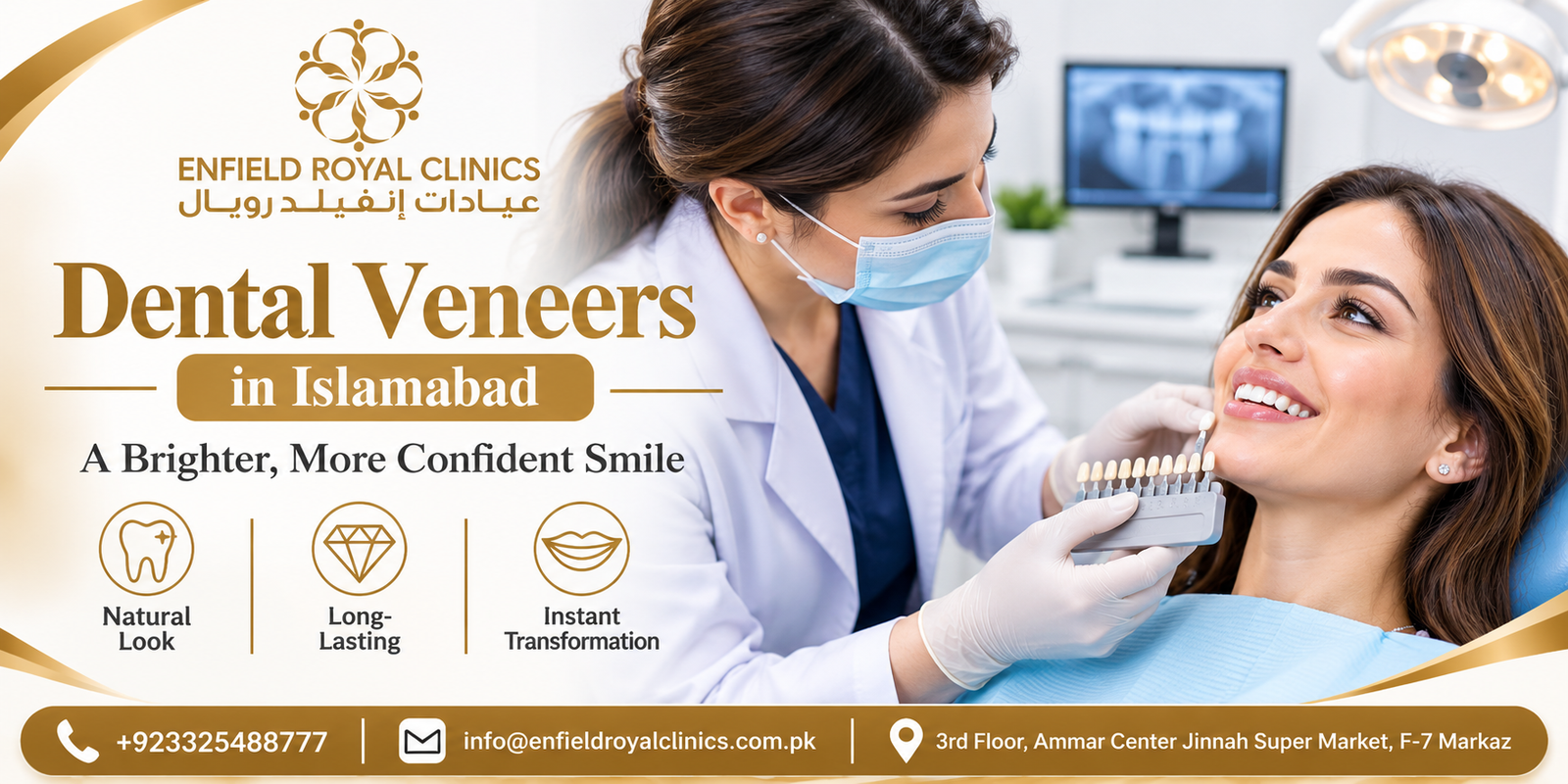
Regular checkups play an important role in identifying small problems before they become serious. A dentist can examine the veneers, check the surrounding gums, assess the bite, and make sure the supporting teeth remain healthy. Even when veneers look perfectly fine, professional monitoring helps maintain their condition over time.
Why Are Regular Checkups Important After Dental Veneers?
Dental veneers cover the front surfaces of teeth, but the natural tooth structure and surrounding gum tissue still need attention. Veneers do not prevent cavities, gum inflammation, or other oral health problems. Decay can develop around the edges of a veneer, particularly when plaque accumulates or oral hygiene is inadequate.
During routine appointments, the dentist checks whether the veneers remain securely attached and whether their edges fit properly. Small changes, such as slight wear, bonding deterioration, or gum recession, may not be noticeable to the patient at first.
Regular examinations also help identify changes in the bite. If a veneer becomes uneven or experiences excessive pressure, it may cause discomfort or increase the risk of chipping. Early assessment can help prevent further damage and protect the natural tooth.
For patients receiving Dental Veneers in Islamabad, follow-up visits are therefore an important part of maintaining a healthy and attractive smile.
How Often Should Patients Visit the Dentist?
The recommended frequency of dental checkups depends on each patient’s oral health, veneer condition, and individual risk factors. Many patients benefit from a routine dental examination every six months. However, some may need more frequent visits if they have gum problems, a history of cavities, teeth grinding, or other dental concerns.
The dentist may recommend a personalised schedule based on the following factors:
- Gum health: Patients with gum inflammation or a history of gum disease may require closer monitoring.
- Veneer condition: Older veneers may need more frequent assessment for wear, cracks, or weakened bonding.
- Oral hygiene: Patients who struggle with plaque control may benefit from additional professional cleaning.
- Teeth grinding: Bruxism can place extra pressure on veneers and increase the risk of damage.
- Existing dental concerns: Cavities, sensitivity, and bite problems may require additional appointments.
Patients should not wait until a veneer becomes loose or painful before arranging an examination. Regular preventive visits help detect concerns while they are still manageable.
What Does a Dentist Check During a Veneer Examination?
A veneer checkup involves more than simply looking at the visible surface of the teeth. The dentist evaluates the veneers and the surrounding oral structures to ensure everything remains healthy.
Important areas of assessment include:
Veneer bonding and edges: The dentist checks whether each veneer remains firmly attached and whether its margins fit closely against the natural tooth. Loose bonding or small gaps may allow bacteria to accumulate.
Cracks, chips, and surface wear: Although porcelain veneers are generally durable, they can still chip or crack under excessive pressure. Composite veneers may also develop surface wear or staining over time.
Gum condition: Healthy gums support the overall appearance of the smile. The dentist looks for redness, swelling, bleeding, or recession around the veneered teeth.
Bite alignment: The way the upper and lower teeth meet is important. Uneven pressure can place unnecessary stress on veneers, particularly when a patient bites or chews.
Supporting teeth: The natural teeth underneath veneers must remain healthy. The dentist checks for decay, sensitivity, and other signs of damage.
Depending on the patient’s condition, dental X-rays may also be recommended to assess areas that cannot be examined visually.
Can Professional Cleaning Damage Dental Veneers?
Professional dental cleaning is generally safe for patients with veneers when performed using appropriate techniques and instruments. In fact, it helps remove plaque and tartar that regular brushing cannot always eliminate.
However, cleaning methods may differ depending on the veneer material and the condition of the surrounding teeth. Dental professionals use suitable instruments and polishing products to avoid unnecessary surface damage.
Porcelain veneers are relatively resistant to staining, but their edges and the natural teeth around them still require careful cleaning. Composite veneers may be more susceptible to surface wear and staining, so appropriate polishing techniques are particularly important.
Patients should also understand that professional cleaning does not replace daily oral hygiene. Brushing twice daily with a soft-bristled toothbrush, flossing carefully, and following dental advice remain essential for long-term maintenance.
What Problems Can Regular Checkups Help Prevent?
Routine dental visits help identify problems that could affect the appearance, comfort, or durability of veneers. While checkups cannot guarantee that veneers will never become damaged, they allow dental professionals to monitor potential warning signs.
Common concerns include:
- Cavities around veneer margins: Natural teeth can still develop decay near the edges of veneers.
- Gum inflammation: Plaque accumulation can irritate the gums and affect the appearance of the smile.
- Loose veneers: Bonding can weaken over time, allowing a veneer to become unstable.
- Chipping or cracking: Excessive biting pressure, accidents, or teeth grinding may damage veneer surfaces.
- Bite discomfort: Uneven contact between teeth can create pressure and discomfort during chewing.
- Staining around edges: The veneer itself may resist stains, but natural tooth structure and bonding margins can change in appearance.
If a patient notices a sudden change in the way a veneer feels, visible damage, persistent sensitivity, or discomfort when biting, a dental appointment should be arranged rather than waiting for the next routine checkup.
How Can Patients Maintain Their Veneers Between Visits?
Daily care is just as important as professional examinations. Patients who follow a consistent oral hygiene routine can help protect their veneers and the natural teeth supporting them.
Helpful habits include:
- Brushing twice a day with a soft-bristled toothbrush and fluoride toothpaste.
- Flossing daily to remove plaque between teeth and near the gumline.
- Avoiding the habit of biting fingernails, pens, ice, or other hard objects.
- Limiting frequent exposure to highly staining foods and drinks, especially with composite veneers.
- Avoiding tobacco products, which can stain natural teeth and affect gum health.
- Wearing a professionally recommended night guard if teeth grinding occurs during sleep.
- Attending dental checkups according to the recommended schedule.
Patients should also avoid using their teeth as tools to open packaging or break hard objects. Such habits can place unnecessary pressure on veneers and increase the risk of fractures.
It is important to remember that veneers do not last forever. Porcelain veneers may last around 10–15 years or longer, while composite veneers often have a shorter lifespan. Their durability depends on the material, placement, oral hygiene, bite forces, and everyday habits. Regular dental monitoring helps assess when repair or replacement may be needed.
Are Follow-Up Visits Necessary After Veneer Placement?
Yes. Follow-up appointments are useful after the initial placement of veneers, even when the treatment appears successful. An early review allows the dentist to check comfort, bite alignment, gum response, and the fit of the restorations.
Some patients experience mild sensitivity after veneer preparation or placement. This often improves over time, but persistent or worsening discomfort should be evaluated.
The dentist may also make minor adjustments if a veneer feels too high or interferes with normal biting. Addressing these concerns early can improve comfort and reduce unnecessary pressure on the restoration.
Patients considering Dental Veneers in Islamabad should discuss the expected follow-up schedule before treatment. Understanding the maintenance requirements helps them make informed decisions and plan for long-term oral health.
Frequently Asked Questions
1. Do dental veneers need regular checkups?
Yes. Regular checkups help assess veneer bonding, surface condition, gum health, bite alignment, and the natural teeth underneath.
2. How often should patients get veneers checked?
Many patients benefit from dental examinations every six months. However, the dentist may recommend more frequent visits depending on oral health and individual risk factors.
3. Can dental veneers develop cavities?
Veneers themselves cannot develop cavities, but the natural teeth underneath and around their edges can still decay. Good oral hygiene and routine examinations help reduce this risk.
4. Is professional cleaning safe for porcelain veneers?
Yes. Professional cleaning is generally safe when suitable instruments and techniques are used. It helps remove plaque and tartar while maintaining gum health.
5. What happens if a dental veneer becomes loose?
A loose veneer should be assessed promptly. The dentist can examine the bonding, check the supporting tooth, and determine whether rebonding, repair, or replacement is appropriate.
6. Can dental veneers last longer with regular checkups?
Regular checkups cannot guarantee a specific lifespan, but they can help identify problems early and support better maintenance. Good daily hygiene and avoiding damaging habits also contribute to durability.