How Fabric Pop Up Stands Improve Exhibition Displays
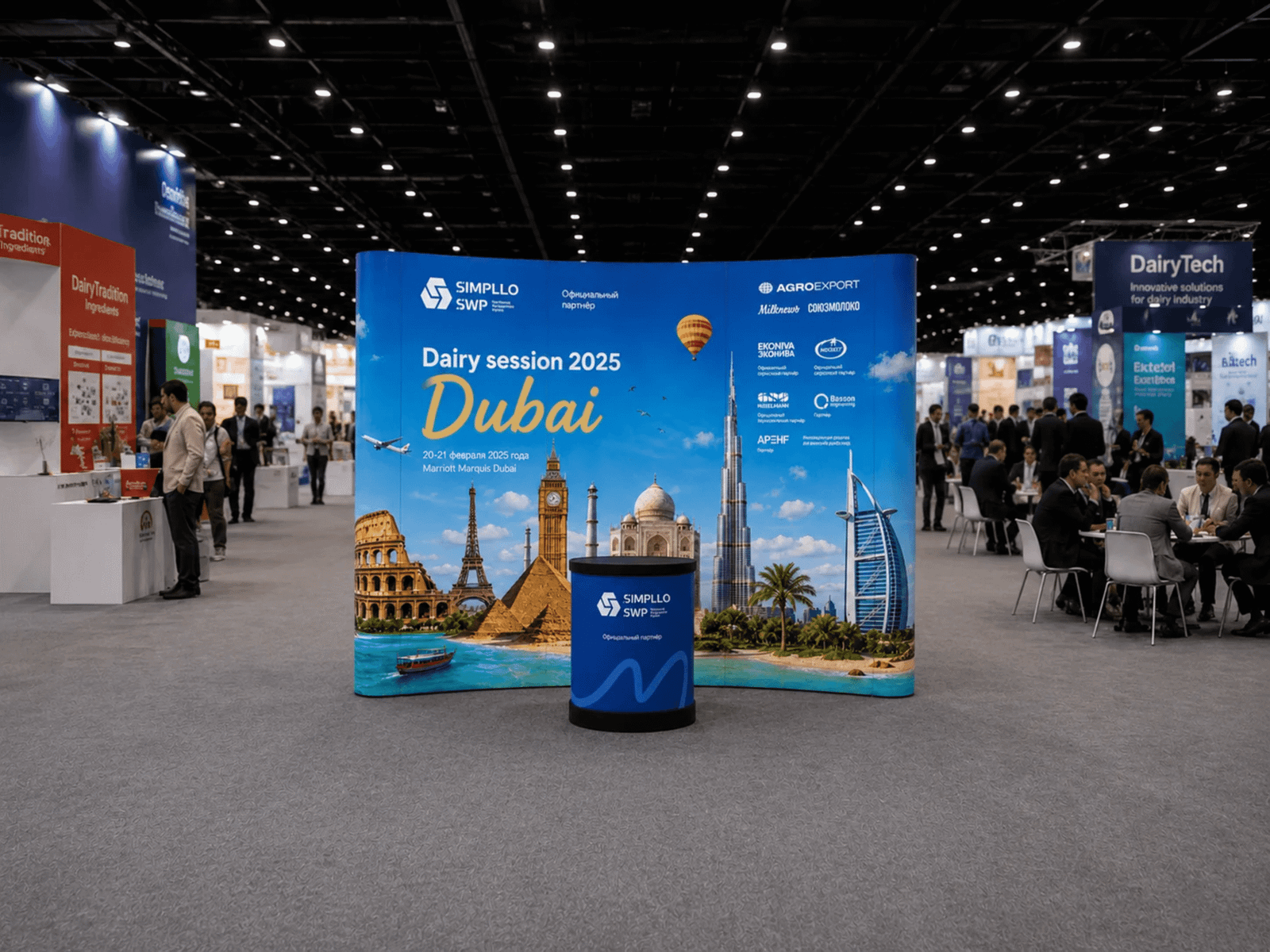
Exhibitions, trade shows, conferences, and business events provide opportunities for companies to introduce their products and communicate with visitors. However, presenting information clearly in a busy exhibition hall requires careful planning. The display structure, printed graphics, colours, and arrangement all contribute to the overall presentation. Businesses need equipment that is easy to transport, simple to install, and suitable for repeated use.
A fabric pop up stand is a practical display option for organisations that need a lightweight and attractive presentation system. It generally consists of a supporting frame covered with printed fabric, creating a smooth surface for photographs, headings, and other information. These displays are used in different indoor environments because they can be assembled, packed, and transported without requiring complicated installation. Understanding their construction, materials, benefits, and applications can help businesses choose a suitable display for their requirements.
1. Understanding the Purpose of a Fabric Pop Up Stand
A fabric pop-up display is a portable exhibition structure that uses textile material as its main printed surface. The fabric is fitted over a supporting frame to create a large graphic background. Depending on the model, the structure may have a straight, curved, or modular design.
The main purpose of this display is to present information in a clear and organised way. Businesses can use it to introduce products, explain services, display photographs, and communicate important details to visitors.
For example, a company participating in a furniture exhibition might use a fabric display behind its demonstration counter. The printed surface could show photographs of different furniture collections, available materials, and a short company introduction. Visitors can understand the presentation before speaking with a representative.
Unlike some rigid display systems, fabric-based models can offer a softer appearance and are often easier to pack into suitable carrying bags.
Main Components of the Display
Most fabric exhibition systems contain several basic components:
- Supporting frame: Holds the structure in its required shape.
- Printed fabric: Provides the main surface for photographs and written information.
- Connecting parts: Join different sections of the frame.
- Support feet: Help maintain stability when the display is installed.
- Carrying bag: Protects the components during storage and transportation.
The quality of these components influences the stability, appearance, and useful life of the display.
2. Different Types of Fabric Pop Up Displays
Fabric displays are available in several styles. The right option depends on the available space, presentation requirements, and type of event.
Straight Fabric Displays
Straight displays have a flat front surface and are commonly used as exhibition backgrounds. Their simple shape provides a suitable area for headings, product photographs, and supporting information.
For example, an educational institution may use a straight fabric display at a career fair to introduce its courses, campus facilities, and admission information.
Curved Fabric Displays
Curved displays have a rounded structure that creates a different appearance from flat backgrounds. The fabric follows the shape of the frame, producing a continuous graphic surface.
These models are suitable for exhibition areas where businesses want a rounded background behind product demonstrations or presentation counters.
Tension Fabric Displays
Tension fabric systems use stretched textile material fitted over a supporting frame. The material is designed to remain smooth when properly installed.
Many systems use a fabric cover with a zipper or another fastening method to secure it around the frame. This construction helps maintain an even graphic surface.
Modular Fabric Displays
Modular systems consist of separate sections that can be connected in different arrangements. This gives businesses more flexibility when participating in events with different space requirements.
A company might use a small configuration at a local exhibition and add extra sections when attending a larger trade show.
3. Materials and Printing Methods Used
The material selected for a fabric display affects its appearance, weight, durability, and printing quality. Therefore, businesses should understand the available options before choosing a particular system.
Polyester Fabric
Polyester is commonly used for exhibition graphics because it is lightweight and suitable for different printing methods.
It can reproduce photographs, illustrations, text, and colourful designs. Its flexibility also makes it suitable for fitting over straight and curved frames.
Knitted Fabric
Knitted textile materials are used in some tension fabric displays because they can stretch around the supporting structure.
This flexibility helps the material fit closely over the frame. However, the exact fabric specifications should match the requirements of the display system.
Dye-Sublimation Printing
Dye-sublimation is a printing method commonly used for fabric graphics. During the process, heat transfers specialised ink into the fabric fibres.
This method can produce detailed images and consistent colours across large printed surfaces. It is often selected for exhibition graphics where photographs and colourful designs are important.
Choosing the Right Fabric
Not every textile is suitable for every frame. Businesses should check the material thickness, stretch, finishing, and printing compatibility before placing an order.
For example, a fabric that stretches too much may not maintain the intended appearance when fitted over a particular structure. Selecting compatible materials helps prevent wrinkles and loose sections.
4. Design Features That Improve Exhibition Presentations
A good display requires more than suitable fabric and a supporting frame. The printed design should communicate information clearly and make effective use of the available surface.
Use a Clear Main Heading
The main heading should explain the subject of the display. It should be large enough to read from a reasonable distance.
For example, a business introducing office furniture might use a heading such as “Modern Workspace Solutions.” Visitors can quickly identify the topic without reading the entire display.
Choose Readable Fonts
Simple fonts are generally more suitable for large exhibition graphics than decorative lettering. The heading, subheadings, and supporting information should have different sizes to create a clear visual order.
Smaller text should be limited to details that visitors can read when they approach the display.
Select Suitable Colours
Colour selection affects both visibility and the overall appearance of the presentation. The background and text should provide sufficient contrast.
A technology company might use a dark background with bright accent colours, while an organisation presenting natural products may prefer softer green and neutral shades.
Include High-Quality Images
Photographs can help visitors understand products and services quickly. A food business might include pictures of its menu, while a clothing retailer could display images of its latest collection.
Images should have enough resolution for large-format printing. Poor-quality photographs may appear blurry when enlarged.
5. Benefits of Using Fabric Pop Up Displays
Fabric exhibition systems offer several practical advantages that make them useful for businesses and event organisers.
Lightweight Construction
Fabric graphics are generally lighter than many rigid printed panels. This can make the complete display easier to carry, particularly when the frame is designed for portable use.
For companies that attend several exhibitions each year, easier transportation can reduce some of the effort involved in event preparation.
Easy Installation
Many fabric display systems are designed for straightforward assembly. Depending on the model, users can connect the frame sections and fit the printed fabric cover over the structure.
Some systems use tool-free connections, although installation requirements vary between manufacturers.
Smooth Graphic Appearance
A properly fitted fabric cover can create a continuous surface without the visible divisions sometimes found in panel-based displays.
This makes fabric useful for large photographs, backgrounds, and designs that need to appear connected across the display.
Reusability
The supporting frame can often be used for multiple events. When the printed information becomes outdated, some systems allow the fabric graphic to be replaced without purchasing an entirely new structure.
For example, a company may keep the same frame while updating its graphics to introduce a new product range.
Convenient Storage
Many fabric display systems can be dismantled or folded into manageable components. Their carrying bags help protect the frame and textile material during transportation.
However, the packed dimensions and weight should always be checked before selecting a model.
6. Where Fabric Pop Up Stands Are Commonly Used
The flexible construction of these displays makes them suitable for different indoor environments.
Trade Shows and Exhibitions
Trade shows bring businesses together to present products, services, and industry information. A fabric display can provide a background for an exhibition counter or demonstration area.
For example, an electronics company may use a large printed graphic to show its product categories and explain important features.
Shopping Centres and Retail Stores
Retail businesses can use fabric displays to introduce new products, highlight seasonal collections, or provide information about particular departments.
A clothing store might position one near its entrance to show photographs of a new collection.
Conferences and Seminars
During conferences, displays can provide information about speakers, event schedules, registration points, and presentation topics.
An organiser may place a fabric background behind the main stage or near the entrance to help visitors identify the event area.
Educational Institutions
Schools, colleges, and universities can use fabric displays during admission campaigns, career fairs, and open days.
A university department might show photographs of its campus, laboratories, academic programmes, and student activities.
Corporate Events
Businesses can use portable fabric backgrounds during training sessions, meetings, and company presentations.
For instance, an organisation arranging an annual conference may include the event name and relevant graphics on a large fabric display behind the presentation area.
7. How to Choose the Right Fabric Display
Selecting a suitable model requires attention to several practical details. Businesses should consider how often the structure will be used and the conditions in which it will be installed.
Check the Available Space
The dimensions should match the allocated exhibition area. Measure the available width and height before selecting a structure.
A large display may look suitable in a showroom but could create difficulties in a smaller exhibition space.
Consider the Frame Quality
The supporting frame should be stable and compatible with the fabric graphic. Check the connecting sections, joints, and support feet before making a decision.
Aluminium frames are commonly used in portable systems because they provide useful support without adding excessive weight.
Examine the Fabric Finish
The fabric should fit properly over the frame without unwanted wrinkles or loose areas. Ask about the material type, printing method, and cleaning requirements.
Compare Transportation Requirements
Businesses that regularly attend exhibitions should consider the packed dimensions and total weight.
A display that is easy to assemble but difficult to transport may not be suitable for organisations that travel frequently.
When researching exhibition equipment through searches such as pop up stands dubai, comparing frame specifications, fabric quality, dimensions, and printing methods can help identify the differences between available systems.
8. Maintenance, Storage, and Common Mistakes
Regular maintenance helps protect the printed material and supporting structure. Although fabric displays are designed for repeated use, careless handling can reduce their useful life.
Cleaning the Fabric
Dust and light marks should be removed according to the manufacturer’s cleaning instructions. Some fabric graphics can be washed, while others require more careful treatment.
Before using any cleaning product, check whether it is suitable for the specific textile and printing method.
Packing the Display Properly
The fabric should be removed or packed according to the system’s instructions. It should not be forced into a small space because this may create permanent creases or damage the printed surface.
The frame and other components should be stored in a protective carrying bag.
Inspecting the Frame
Before every event, check the supporting frame and connecting sections. Loose joints or damaged components may affect the stability of the display.
Common Mistakes to Avoid
Several mistakes can affect the appearance and performance of a fabric display:
- Choosing fabric that is incompatible with the frame.
- Using low-resolution images for large-format printing.
- Placing too much text on the graphic surface.
- Selecting colours that make information difficult to read.
- Ignoring the actual dimensions of the exhibition area.
- Pulling the fabric too tightly during installation.
- Storing the material while it is damp or dirty.
- Failing to inspect the frame before an event.
Why Proper Storage Matters
Fabric graphics can be affected by moisture, excessive heat, and improper folding. Keeping the material clean and dry helps maintain its appearance between events.
The supporting frame should also be stored carefully to protect its connecting parts and prevent unnecessary damage.
Conclusion
Fabric exhibition displays provide a practical way to present information at trade shows, conferences, retail locations, and corporate events. Their lightweight construction, smooth graphic surfaces, and reusable frames make them suitable for businesses that need portable presentation equipment.
Choosing the right system involves considering the fabric type, printing method, frame construction, dimensions, and intended location. A well-planned graphic layout with readable text and high-quality photographs can also improve the overall presentation.
With suitable materials, careful installation, and regular maintenance, a fabric display can remain useful across many events. Understanding these features helps businesses select an exhibition system that meets their requirements while making transportation, storage, and future graphic updates easier.