Complete Commercial Refrigeration Equipment for Sydney’s Hospitality Industry – Mattys
Mattys – Commercial Refrigeration Equipment and Hospitality Equipment in Sydney for Modern Businesses
1. Introduction to Commercial Refrigeration and Hospitality Equipment
Mattys understands the importance of reliable commercial refrigeration equipment and professional hospitality equipment for businesses across Sydney. Restaurants, cafés, hotels, catering companies, bakeries, and other food service establishments depend on high-quality equipment to maintain smooth daily operations. From preserving fresh ingredients to preparing meals and serving customers, every kitchen activity requires the right tools and appliances.
The hospitality industry operates in a demanding environment where efficiency, food quality, and customer satisfaction are essential. Businesses need equipment that can handle continuous use, support food safety practices, and improve workplace productivity. Investing in suitable commercial refrigeration and hospitality equipment helps create organised working environments while supporting consistent service standards.
Mattys focuses on providing equipment solutions for professional food service environments, helping businesses explore practical options for their kitchen, refrigeration, and hospitality requirements.
2. Importance of Commercial Refrigeration Equipment
Commercial refrigeration is one of the most important parts of any professional food service operation. Restaurants, hotels, cafés, and catering businesses handle perishable ingredients that require appropriate storage conditions.
Unlike domestic refrigerators, commercial refrigeration equipment is designed to support the demanding requirements of professional kitchens. These appliances offer different storage capacities, configurations, and temperature management features to suit various business applications.
Major Benefits of Commercial Refrigeration
- Food Preservation: Appropriate refrigeration helps maintain suitable storage temperatures for perishable ingredients.
- Better Organisation: Different refrigeration units help separate ingredients, beverages, and prepared food.
- Improved Kitchen Efficiency: Convenient storage locations allow kitchen employees to access ingredients quickly.
- Temperature Management: Commercial refrigeration systems support consistent temperature monitoring and control.
- Operational Reliability: Professional refrigeration appliances are designed for regular use in demanding environments.
- Reduced Food Waste: Appropriate storage practices can help businesses manage ingredients more effectively and minimise avoidable spoilage.
Choosing the right refrigeration system is an important decision for businesses that prioritise food quality and operational efficiency.
3. Different Types of Commercial Refrigeration Equipment
Every hospitality business has unique storage requirements. A restaurant may need large-capacity refrigerators, while a café may prefer compact under-counter refrigeration to save valuable workspace.
Understanding the available options helps businesses select equipment according to their kitchen layout and daily operations.
3.1 Commercial Upright Refrigerators
Commercial upright refrigerators are commonly used in restaurants, hotels, and catering facilities. Their vertical design provides organised storage while making efficient use of floor space.
These units are suitable for storing vegetables, dairy products, sauces, beverages, and other refrigerated ingredients.
3.2 Commercial Freezers
Commercial freezers are designed for businesses that require frozen food storage. They are particularly useful for restaurants, bakeries, catering companies, and food production facilities.
Businesses should consider storage capacity, temperature requirements, accessibility, and energy efficiency when selecting a freezer.
3.3 Under-Counter Refrigerators
Under-counter refrigeration units are practical for kitchens where space is limited. They can be installed beneath preparation benches or work counters, allowing staff to access chilled ingredients without moving away from their stations.
These units are particularly useful for cafés, bars, and compact commercial kitchens.
3.4 Display Refrigeration
Display refrigerators are suitable for cafés, bakeries, convenience stores, and hospitality businesses that need to showcase chilled products.
They allow customers to view available food and beverages while maintaining appropriate refrigerated storage conditions.
3.5 Preparation Refrigeration
Preparation refrigerators are designed to support food preparation activities. They provide convenient access to ingredients while helping kitchen teams maintain organised workstations.
These units are useful for sandwich preparation, salad stations, pizza kitchens, and other food service operations.
4. Hospitality Equipment Sydney for Restaurants and Cafés
Restaurants and cafés require a wide variety of professional appliances to manage their daily activities. From food preparation and cooking to refrigeration, cleaning, and customer service, every department depends on suitable equipment.
Businesses searching for Hospitality Equipment Sydney should consider solutions that match their menu, kitchen capacity, available space, and customer demand.
Some important hospitality equipment categories include:
- Commercial cooking equipment.
- Food preparation machines.
- Commercial refrigeration units.
- Commercial ovens and ranges.
- Dishwashing equipment.
- Stainless steel benches and shelving.
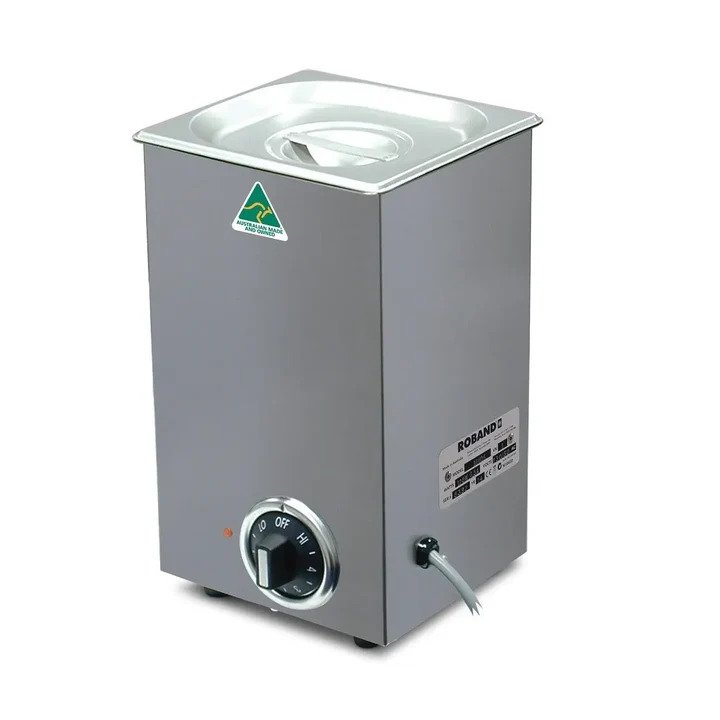
- Food warming and holding equipment.
- Beverage preparation appliances.
Having the right combination of equipment helps kitchen teams manage busy service periods while maintaining consistent food preparation standards.
Mattys supports hospitality businesses looking for practical equipment solutions for different commercial applications.
5. Commercial Kitchen Equipment for Hotels
Hotels have diverse food service requirements because they may operate restaurants, breakfast areas, cafés, banquet facilities, and room service departments.
Each department needs equipment suited to its specific activities.
For example, a hotel restaurant requires commercial cooking appliances, refrigeration systems, and food preparation equipment. A banquet kitchen may need larger appliances capable of supporting high-volume food production.
Essential Equipment for Hotel Kitchens
- Commercial Ovens: Used for baking, roasting, and preparing different dishes.
- Cooking Ranges: Support multiple cooking activities in professional kitchens.
- Commercial Refrigerators: Help store ingredients and prepared food.
- Food Preparation Machines: Reduce manual effort during repetitive preparation tasks.
- Dishwashing Equipment: Supports efficient cleaning of kitchen utensils, plates, and cookware.
- Food Holding Equipment: Helps maintain appropriate serving conditions during busy service periods.
Selecting suitable hospitality equipment helps hotels maintain organised kitchen workflows and deliver consistent food service to guests.
6. Why Quality Hospitality Equipment Matters
The quality of kitchen equipment can directly influence the efficiency of a food service business. Poorly selected or unreliable appliances may cause operational delays, increase maintenance requirements, and affect staff productivity.
Professional hospitality equipment is designed to support regular commercial use and demanding working environments.
Key Advantages
Improved Productivity: Suitable equipment helps employees complete food preparation and service activities more efficiently.
Better Food Handling: Appropriate appliances support organised storage, preparation, and cooking practices.
Consistent Performance: Reliable equipment helps businesses maintain more predictable kitchen operations.
Efficient Space Management: Selecting appliances according to kitchen dimensions helps reduce unnecessary clutter.
Better Staff Workflow: Well-planned equipment placement makes it easier for employees to move between preparation, cooking, and cleaning areas.
Long-Term Operational Value: Considering durability, servicing, and energy consumption can help businesses make better purchasing decisions.
For restaurants and hospitality operators, equipment selection should always be based on actual business requirements rather than price alone.
7. Commercial Refrigeration for Sydney’s Hospitality Industry
Sydney has a diverse hospitality sector that includes restaurants, cafés, hotels, bakeries, bars, and catering businesses. These establishments require dependable refrigeration systems to manage their daily food storage requirements.
Commercial refrigeration equipment helps businesses maintain suitable storage conditions for ingredients, dairy products, meat, seafood, beverages, and prepared food.
When selecting refrigeration equipment, Sydney businesses should consider several important factors:
- Storage Capacity: Choose a unit that can accommodate your regular inventory.
- Temperature Requirements: Different food products may require different storage conditions.
- Energy Consumption: Compare energy efficiency to help manage ongoing operating expenses.
- Kitchen Dimensions: Ensure the appliance fits comfortably within the available space.
- Ventilation: Follow manufacturer recommendations for proper installation and airflow.
- Maintenance: Consider cleaning requirements, servicing, and access to replacement components.
These factors can help hospitality businesses select refrigeration systems that suit their operational needs.
8. Food Safety and Proper Refrigeration Practices
Food safety is a major responsibility for every commercial kitchen. Incorrect storage temperatures and poor handling practices can increase the risk of food spoilage and contamination.
Commercial refrigeration equipment supports food safety by helping businesses maintain suitable storage conditions. However, owning professional equipment is not enough. Employees must also follow appropriate food handling procedures.
Some important practices include:
- Monitor refrigerator and freezer temperatures regularly.
- Store raw and ready-to-eat foods separately.
- Keep refrigeration units clean and properly maintained.
- Avoid overloading refrigerators because it can affect airflow.
- Follow food storage and rotation procedures.
- Check stored ingredients for freshness and quality.
- Arrange servicing when equipment does not maintain the required temperatures.
Following appropriate food safety procedures helps businesses protect customers and maintain reliable kitchen operations.
9. How to Choose the Right Hospitality Equipment in Sydney
Selecting hospitality equipment requires careful planning because every business has different requirements.
A small café may need compact refrigeration and beverage preparation appliances, while a large restaurant may require multiple cooking stations and high-capacity storage systems.
Before purchasing equipment, consider the following factors.
9.1 Understand Your Business Requirements
Identify the type of food service business you operate and the equipment required for your menu. A bakery, restaurant, café, and hotel will have different operational priorities.
9.2 Plan Your Kitchen Layout
Measure the available space and organise different kitchen stations. Proper placement of refrigeration, preparation, cooking, and cleaning equipment can improve staff movement.
9.3 Evaluate Equipment Capacity
Choose appliances that can handle your expected workload. Equipment that is too small may affect productivity, while unnecessarily large units can increase operating costs.
9.4 Consider Energy Efficiency
Commercial appliances may operate for extended periods. Comparing energy ratings and expected consumption can help businesses manage electricity expenses.
9.5 Check Cleaning and Maintenance Requirements
Equipment should be practical to clean and maintain. Consider manufacturer recommendations, servicing requirements, and replacement part availability.
10. Importance of Regular Commercial Refrigeration Maintenance
Commercial refrigeration systems often operate continuously, making regular maintenance essential for reliable performance.
Poor maintenance can affect cooling efficiency, increase energy consumption, and lead to unexpected equipment problems.
Businesses should establish a maintenance routine that includes:
- Cleaning internal and external surfaces regularly.
- Checking door seals and hinges.
- Monitoring temperature settings.
- Keeping condenser areas clean as recommended by the manufacturer.
- Avoiding blocked ventilation openings.
- Checking for unusual noises or changes in performance.
- Arranging professional servicing when necessary.
Regular inspections can help identify potential problems early and support the long-term performance of refrigeration appliances.
11. Why Consider Mattys for Hospitality Equipment and Commercial Refrigeration?
Finding suitable equipment is an important step when establishing or upgrading a commercial kitchen. Businesses need practical solutions that match their operational requirements, available space, and long-term goals.
Mattys focuses on commercial kitchen equipment, commercial refrigeration, catering equipment, and hospitality solutions for professional food service environments.
Whether you are setting up a new restaurant, upgrading a hotel kitchen, improving a café, or sourcing refrigeration equipment for a catering business, selecting appropriate appliances can make a significant difference to everyday operations.
Mattys helps businesses explore equipment options for different commercial applications, with an emphasis on supporting practical and functional kitchen environments.
When comparing equipment, businesses should consider product suitability, performance, durability, maintenance requirements, and overall value.
12. Future Trends in Commercial Refrigeration and Hospitality Equipment
The hospitality industry continues to adopt modern technologies to improve efficiency and manage operating expenses. Commercial kitchen equipment is also evolving with developments in energy-efficient refrigeration, advanced cooking appliances, automated food preparation, and improved temperature management.
Some important trends include:
- Energy-efficient commercial refrigeration systems.
- Advanced temperature monitoring technology.
- Space-saving kitchen appliances.
- Automated food preparation equipment.
- Improved cooking performance.
- Equipment designed for easier cleaning and maintenance.
These developments are helping hospitality businesses create more efficient and organised kitchen environments.
As Sydney’s food service industry continues to grow, investing in suitable commercial refrigeration and hospitality equipment will remain important for businesses looking to maintain competitive operations.
13. Conclusion
Commercial refrigeration equipment and professional hospitality appliances are essential for restaurants, cafés, hotels, catering companies, and other food service businesses. From preserving ingredients and managing food storage to preparing meals and maintaining efficient kitchen workflows, the right equipment supports every stage of commercial food service.
Mattys provides equipment solutions for businesses looking for commercial refrigeration equipment and hospitality equipment in Sydney. Whether you are planning a new kitchen or upgrading an existing facility, selecting suitable appliances can improve productivity, support food safety practices, and create a more organised working environment.
Explore Mattys to find practical commercial kitchen, refrigeration, and hospitality equipment solutions that support the changing requirements of Australia’s food service industry.