Laser Cleaning Machine: Modern Solutions for Industrial Surface Cleaning
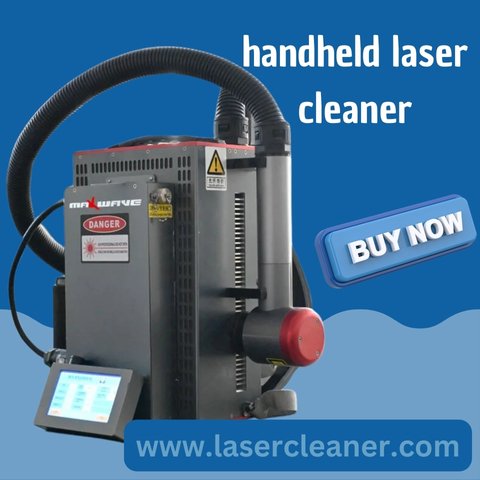
Industrial cleaning plays an important role in maintaining product quality, equipment performance, and manufacturing standards. Traditional cleaning methods often require chemicals, abrasive materials, or intensive manual work. Modern laser technology offers another approach by using controlled laser energy to remove unwanted materials from different surfaces. A laser cleaning machine is becoming an increasingly popular solution for industries that need accurate and controlled surface treatment.
Understanding Laser Cleaning Technology
Laser cleaning is a process that uses concentrated laser energy to remove rust, paint, oil, oxidation, dust, and other unwanted contaminants from a material’s surface. The laser beam interacts with the contaminant, helping separate it from the underlying material.
This technology is suitable for various industrial applications, including automotive manufacturing, metal fabrication, machinery maintenance, aerospace, and restoration projects. Depending on the application, manufacturers can select different laser power levels and operating configurations.
How Does a Laser Cleaning System Work?
The cleaning process begins when the operator directs the laser beam toward the targeted surface. The energy interacts with the unwanted layer, causing the contaminants to detach or evaporate under controlled conditions.
Operators can adjust parameters such as laser power, scanning speed, frequency, and focal distance according to the material and cleaning requirements. Proper settings help achieve consistent results while reducing the risk of unwanted surface damage.
Before starting a large cleaning project, testing the laser on a small area is recommended to identify suitable operating parameters.
Common Industrial Applications
Laser cleaning technology is used across several industries because different materials and manufacturing processes require specialized surface preparation.
1. Rust Removal
Metal components exposed to moisture and environmental conditions can develop rust over time. Laser cleaning helps remove corrosion from metal surfaces, making it useful for automotive parts, industrial machinery, metal structures, and maintenance operations.
2. Paint and Coating Removal
Manufacturing and restoration projects sometimes require the removal of old paint or protective coatings. Laser systems can target selected layers before repainting, repairing, or refinishing metal components.
3. Oil and Grease Cleaning
Industrial equipment frequently accumulates oil, grease, and other residues during regular operation. Laser-based cleaning can be used in selected applications to prepare surfaces for maintenance, inspection, or further processing.
4. Mold and Tool Cleaning
Molds and production tools require regular maintenance to maintain manufacturing quality. Laser technology can help remove accumulated residues from suitable mold surfaces, supporting cleaning processes in manufacturing facilities.
Choosing the Right Equipment
Selecting suitable equipment depends on the type of material, contamination level, cleaning area, and production requirements. Different industrial environments may require different laser power configurations and operating modes.
For example, a workshop handling small metal components may have different requirements from a factory cleaning large industrial structures. Buyers should also consider equipment specifications, operating instructions, cooling arrangements, safety systems, and available technical support.
A reliable supplier should provide clear product information and guidance to help businesses identify equipment suitable for their applications.
Laser Safety and Operating Practices
Laser cleaning equipment requires proper handling and workplace safety procedures. Industrial laser systems can produce hazardous direct and reflected laser radiation.
Operators should use appropriate wavelength-rated protective eyewear, follow the manufacturer’s safety instructions, and establish suitable controlled working areas. Proper ventilation and fume extraction are also important because removing certain coatings or contaminants can release hazardous particles and fumes.
Only trained personnel should operate industrial laser equipment, with suitable protective measures in place.
Final Thoughts
Modern surface preparation continues to develop as manufacturers look for more controlled and efficient industrial processes. A laser cleaning machine provides a technology-based approach to removing rust, paint, oxidation, and other contaminants from suitable surfaces. Understanding the cleaning requirements, equipment specifications, and workplace safety procedures can help businesses select the right system for their operations. With proper setup and maintenance, laser cleaning technology can become a valuable part of modern industrial production and restoration work.
#LaserCleaningMachine #LaserCleaning #RustRemoval #IndustrialCleaning