How to Choose the Best Hotel Bathrobes for Home and Hospitality
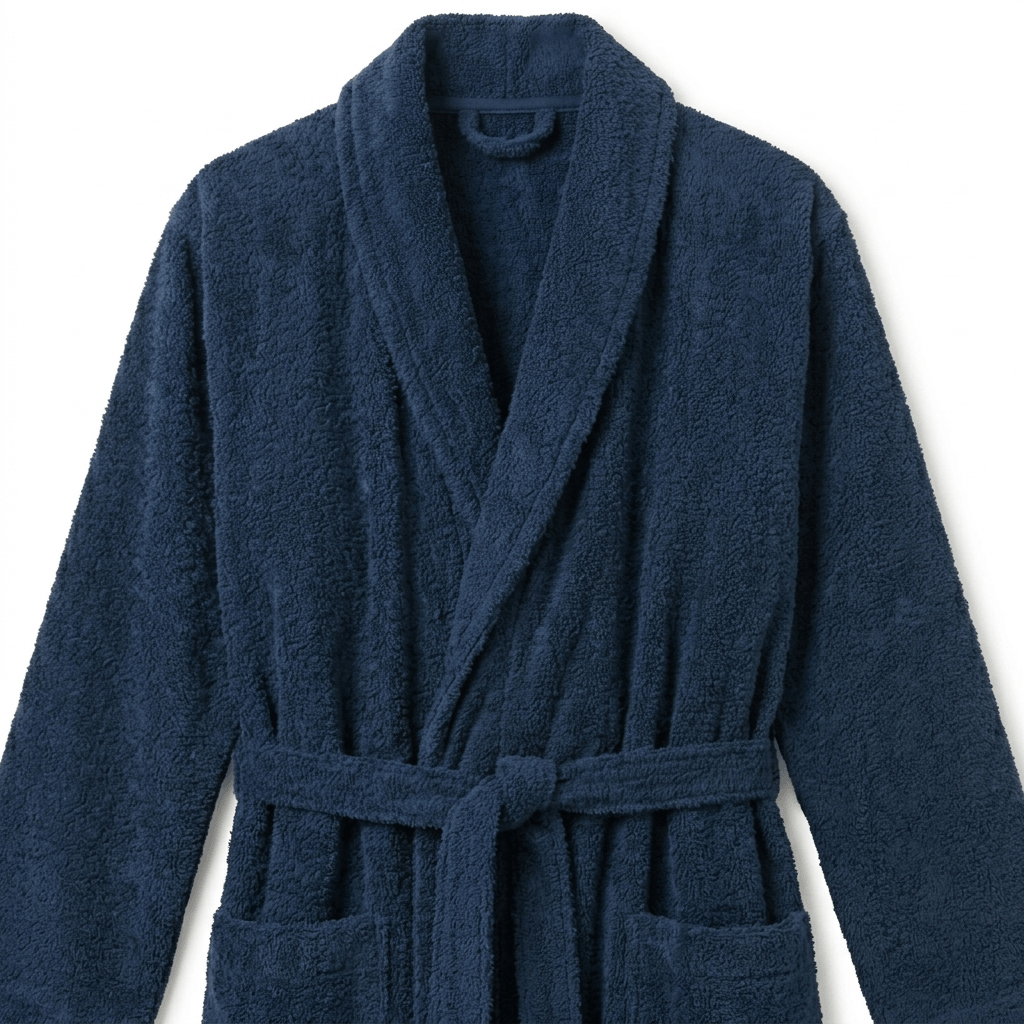
A quality bathrobe is one of the simplest ways to add comfort to a hotel room, spa, or home bathroom. The right robe should feel comfortable against the skin, absorb moisture when needed, fit properly, and remain durable after repeated washing.
For hotels and hospitality businesses, bathrobes also need to meet practical requirements such as easy care, consistent sizing, fabric durability, and suitable weight. At home, buyers may focus more on softness, warmth, appearance, and personal comfort.
Understanding fabric, GSM, construction, style, and intended use makes it easier to choose the right hotel-quality bathrobe.
What Makes a Hotel-Quality Bathrobe?
A hotel bathrobe is designed for frequent use, so fabric quality and construction are important. A good hospitality robe should maintain its shape, withstand regular washing, and remain comfortable over time.
Common features to look for include:
- 100% cotton or a suitable cotton-rich fabric
- Durable terry or waffle construction
- Secure stitching around seams and pockets
- A well-finished collar
- Practical belt loops and waist belt
- Comfortable sizing
- Easy-care washing instructions
For hospitality use, consistency is especially important. Hotels and spas may need dozens or hundreds of robes that provide a similar fit, appearance, and level of comfort.
Choose the Right Bathrobe Fabric
Fabric has a direct effect on how a bathrobe feels and performs.
Terry cotton is one of the most common choices for hotel bathrobes. Its looped surface provides softness and helps absorb moisture after bathing or showering. A heavier terry robe can also provide warmth, making it suitable for hotels, resorts, and cooler environments.
Waffle weave cotton has a lighter structure with a textured surface. Waffle robes are generally more breathable and lightweight, making them useful for spas, wellness facilities, warmer climates, and guests who prefer a less bulky robe.
For example, a 400 GSM cotton terry bathrobe will generally feel heavier and warmer than a 250 GSM waffle bathrobe. Neither is automatically better. The appropriate choice depends on how and where the robe will be used.
Understand GSM Before Buying
GSM stands for grams per square metre and indicates the weight of the fabric. It is useful when comparing bathrobes with similar construction.
A lower GSM robe is usually lighter and may dry faster. Higher GSM fabrics generally provide a heavier and more substantial feel.
For hospitality buyers, GSM should be considered alongside fabric type and weave. A 250 GSM waffle robe and a 400 GSM terry robe cannot be compared by GSM alone because their fabric constructions are different.
Instead of choosing the highest GSM available, consider the balance between comfort, absorbency, drying time, climate, laundry requirements, and guest expectations.
Select the Right Bathrobe Style
The design of a bathrobe affects both comfort and appearance. Several styles are commonly used in hotels, spas, and homes.
Shawl Collar Bathrobes
A shawl collar creates a traditional, comfortable appearance and provides additional coverage around the neck. It is commonly associated with plush hotel and spa robes.
Kimono-Style Bathrobes
Kimono robes have a flatter collar and a lighter, more relaxed construction. They can be a practical choice for warm environments and spa settings.
Hooded Bathrobes
Hooded robes provide additional coverage and warmth around the head and neck. They can be useful for resorts, pools, and colder environments.
When choosing a style, consider the property’s atmosphere, climate, target guests, and laundry requirements.
Consider the Bathrobe Size and Fit
A bathrobe should provide enough room for comfortable movement without becoming excessively oversized. For hotels, offering multiple sizes can help accommodate different guests.
Important measurements include:
- Chest or body width
- Sleeve length
- Overall robe length
- Shoulder width
- Belt placement
Hospitality buyers should request a size chart and, where possible, sample garments before placing a larger order. This helps confirm that the robe fits the intended guest profile.
Choose Colors for Practical Use
White remains a practical option for many hotels and spas because it creates a clean, consistent appearance and can be washed using commercial laundry processes suitable for white textiles.
However, colored robes can complement a property’s branding and interior design. Navy blue, charcoal grey, beige, and other neutral shades can provide a more distinctive appearance.
For larger hospitality orders, it is useful to confirm color consistency between production batches before committing to a large quantity.
Think About Durability and Care
A bathrobe may be washed repeatedly in a hotel or spa environment. This makes construction quality just as important as initial softness.
Look for secure seams, reinforced stress points, properly attached belts, and durable finishing around pockets and collars. Care instructions should also be clear.
For cotton robes, following the manufacturer’s recommended washing and drying temperatures can help reduce unnecessary fabric stress and shrinkage.
Hospitality businesses should also consider how quickly robes dry between uses. A very heavy robe may offer excellent warmth but can require more drying time and laundry resources.
Choosing Bathrobes for Home vs Hospitality
Home buyers can select a robe primarily around personal preferences. A thick terry robe may be ideal for someone who wants warmth after a shower, while a lightweight waffle robe may suit someone who prefers breathability.
Hotels, resorts, and spas have additional considerations. Purchasing decisions should account for:
- Expected frequency of use
- Commercial laundry requirements
- Fabric durability
- Available sizes
- Weight and drying time
- Color consistency
- Replacement availability
- Order quantities
- Customization requirements
For hospitality procurement, working with a textile supplier that understands bulk orders can make product selection and replenishment easier.
Final Thoughts
Choosing the best hotel bathrobe depends on the intended use rather than a single specification. Terry cotton is a strong option when softness, absorbency, and warmth are priorities, while waffle cotton offers a lighter and more breathable alternative.
Before you buy, consider fabric composition, GSM, weave, construction, sizing, collar style, color, and care requirements. For hotels and hospitality businesses, durability and laundry performance should be considered alongside guest comfort.
A well-selected bathrobe can provide a consistent guest experience while giving homeowners the comfort and quality of hotel-style textiles.