Pest Control SEO in the United States: Turn Searches Into Leads
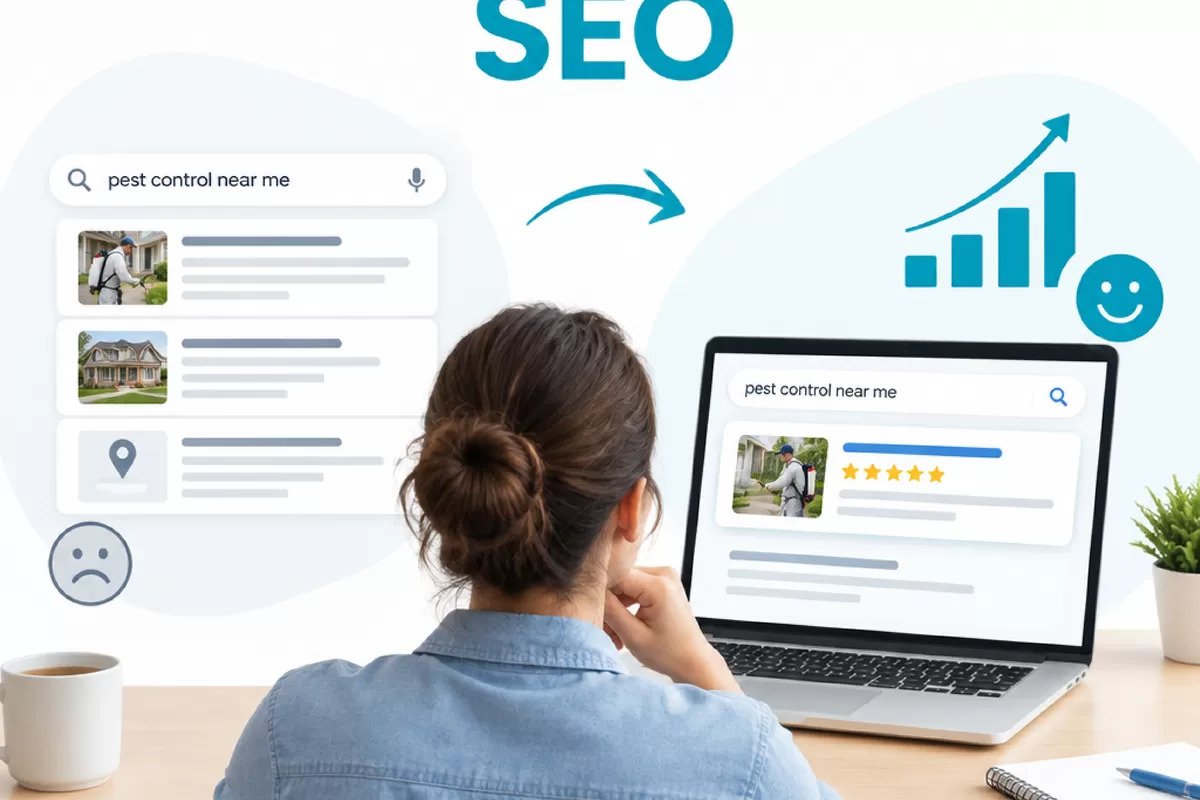
Pest control companies in the United States can appear in local search and still struggle to turn visibility into calls or estimate requests. The gap often comes down to basics: business details that do not match, service areas that are unclear, pages that leave questions unanswered, or reporting that counts visits without tracking inquiries.
Good seo for pest control connects those parts. It helps nearby customers find accurate information, understand whether a company serves their location, and take a clear next step. It also gives owners a way to assess whether organic search is contributing to leads, without promising a specific ranking or volume of business.
How local SEO connects United States searches to leads
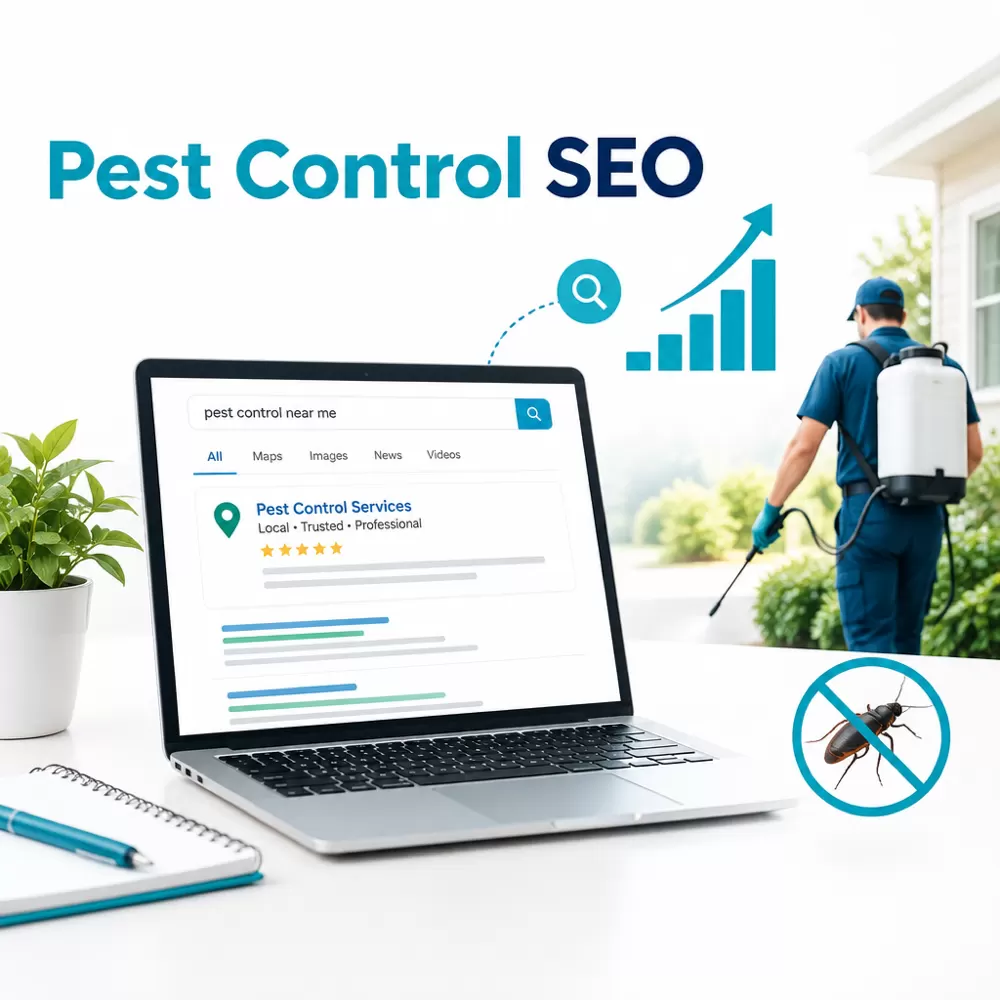
Many customers search with a service and a place in mind, such as “pest control near me” or a specific city or neighborhood. Google may show local businesses in map results as well as standard listings. Where a company appears can vary by the searcher’s location, competition, and other factors, so a single search from the office is not a reliable measure of local performance.
Start with the information a customer needs to decide whether to call. Keep the business name, phone number, website, hours, and address or service-area details accurate across the Google Business Profile (GBP) and other business listings. These details are often called NAP, meaning name, address, and phone number. If a phone number or business name changes, update listings rather than letting old information linger.
Set up GBP to reflect how the business actually operates. A company that serves customers at their locations should use the appropriate service-area configuration and follow Google’s eligibility rules. Do not create extra profiles for nearby towns or use an address where the business is not eligible to appear. A misleading listing can confuse customers and weaken trust.
Make service coverage easy to understand on the website, too. Name the cities or communities the company genuinely serves, and make sure contact details are easy to find. Avoid listing dozens of places with no explanation or building near-identical pages that only swap in a town name. That can make a site feel thin to visitors and does little to clarify the actual service area.
Build trust with accurate pages and useful service content
Local visibility can earn a visit, but the page itself has to answer the customer’s next questions. A useful service page says what the company does, where it works, and how a prospective customer can request help. Include details that are true for the business, such as service availability, what happens after an inquiry, and any relevant credentials. Avoid broad claims that cannot be supported.
Organize the site around real services and real coverage. A dedicated page can make sense when a service has distinct information customers need. A location page can help when the company has meaningful local details to share, such as coverage boundaries or a local contact point. If two pages would say almost the same thing, improve one clear page instead of publishing both.
Trust signals should be verifiable. Keep business hours current, show consistent contact information, and make it straightforward to ask a question or request an estimate. Reviews can help customers evaluate a company, but ask for them honestly and respond in a professional way. Do not offer incentives in exchange for positive reviews or write reviews for the business. Those shortcuts put credibility at risk.
Useful content does not need to be long. It needs to help a customer make a decision. Explain service options in plain language, clarify what information the office needs to respond, or answer common questions about scheduling and coverage. Keep any claims accurate, and review pages when services, hours, or service areas change. For pest-related safety or treatment guidance, defer to qualified professionals and applicable product instructions rather than making unsupported promises on an SEO page.
Technical SEO supports this work. Pages should load and function well on mobile devices, since local searches often happen on phones. Check that important pages can be crawled and indexed, that forms work, and that contact buttons lead to the right place. A technically sound site cannot guarantee leads, but broken pages or forms can prevent interested visitors from contacting the business.
Measure whether visibility contributes to pest control leads
Rankings and website visits can show activity, but they do not tell an owner by themselves whether SEO is helping generate inquiries. Set up a simple measurement process before making major changes. Record organic search visits, calls, form submissions, and other meaningful inquiries, then review whether those leads are relevant and inside the company’s service area.
Where possible, connect website forms and calls to a source in the analytics or customer management system. Call tracking can help distinguish marketing sources, but use it carefully: keep the primary business number consistent where customers and search engines rely on it, and verify that tracking does not replace or disrupt business information on key listings. Ask callers how they found the company as an additional check, not as the only source of attribution.
In a lead-focused review, compare changes over time and note what else may have affected results, such as seasonality, service availability, or changes to the website. Separate GBP interactions from website organic traffic when the reporting tools allow it. Then check the quality of inquiries: were they from the right locations, for services the company offers, and did they move to a useful next step? A rise in clicks is not automatically a rise in qualified leads.
For a fuller view of the work, the SEO Deep Insights seo for pest control guide outlines an approach that includes technical fixes, local visibility, content that ranks, ethical link building, and reporting tied to leads. Use those areas as a review list, then connect each activity to a practical question: Was a page fixed, is business information accurate, are service details clearer, and can inquiries be tracked?
A sensible next step is to audit the customer journey from search to contact. Check GBP and key listings, test the site on a phone, review the pages that describe services and coverage, and submit a test inquiry to confirm it reaches the right person. Record a baseline before changing several things at once. That makes it easier to see what improved, what still needs work, and where a specialist may be useful.