AC Displaying an Error Code? How to Identify the Right Next Ste
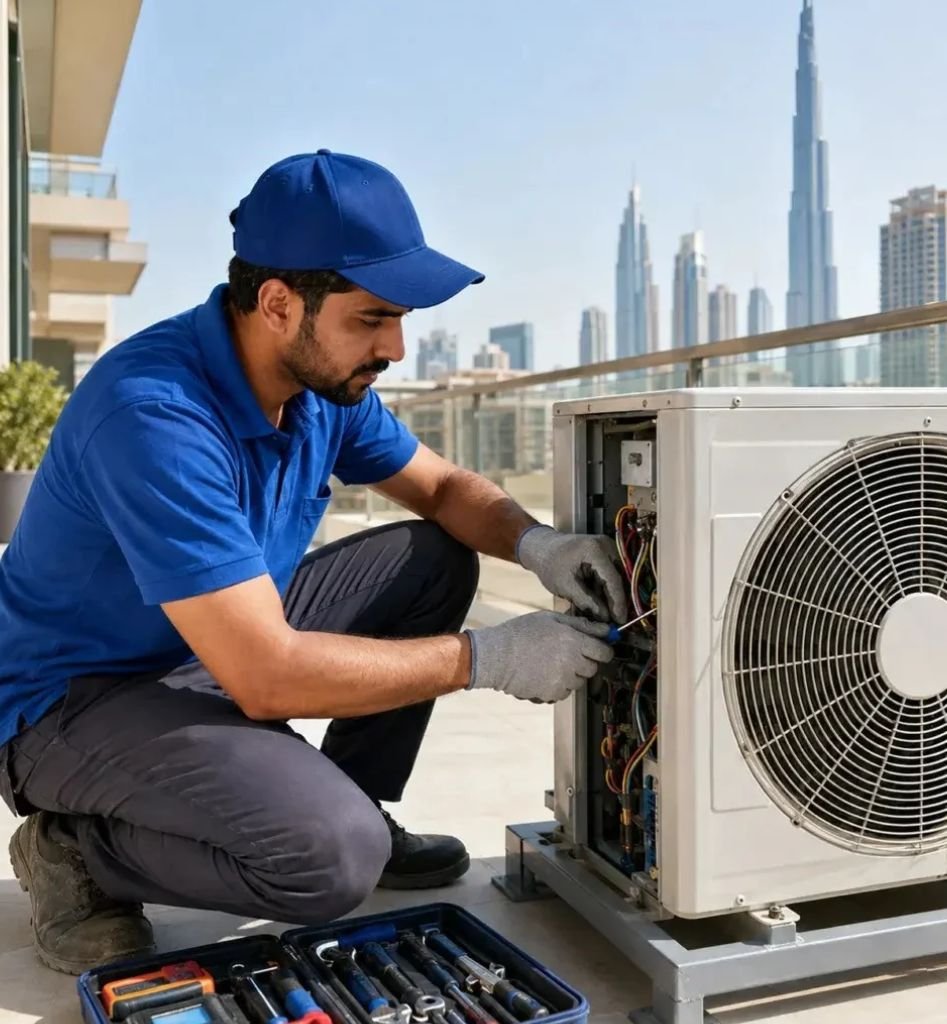
An AC error code tells you that the system has detected a condition requiring attention. It may concern a sensor, fan, communication connection, drainage system, or another operating issue. However, the message alone does not always identify a failed component. Before restarting the equipment, photograph the complete code and record what the AC was doing when it appeared.
Professional AC repair in Dubai should combine this information with the exact model’s guidance and appropriate testing. Understanding possible AC error codes helps you describe the problem clearly. The important step is matching the message to your equipment rather than relying on a general code list.
Why Your AC Brand and Model Matter
Manufacturers do not use one universal error-code system. The same letters and numbers can describe different conditions across brands, product ranges, and controllers. For example, E1 does not have one meaning that applies to every air conditioner. Daikin’s FTXC-B manual associates E1 with an outdoor electronic control-board error, while Samsung uses different diagnostic arrangements across its models.
The technician must confirm the complete message and applicable documentation. When requesting help, provide the brand, model number, controller type, and full displayed sequence. Avoid ordering a sensor, capacitor, or control board based only on an online search result.
Possible Daikin AC Error Codes
The following examples appear in Daikin’s FTXC-B operating manual. They illustrate possible meanings for equipment covered by that manual and should not replace checking the documentation for your exact unit.
- A1: An indoor electronic control-board error.
- A3: An abnormal condition involving the drainage pump.
- A5: Antifreeze protection.
- A6: An indoor fan motor abnormality.
- C4: An open or short-circuit condition involving an indoor heat-exchanger temperature sensor.
- C9: An open or short-circuit condition involving the indoor room-temperature sensor.
- E1: An outdoor electronic control-board error.
- E6: A compressor startup error.
- E7: A locked outdoor DC fan motor.
- U0: An insufficient-refrigerant indication.
- U4: A communication error.
These messages identify the area or condition requiring investigation. A sensor-circuit message, for example, should lead to checks of the sensor and associated connections rather than immediate replacement without testing.
Possible LG AC Error Codes
LG’s support guidance describes several code groups. Their application still depends on the equipment and installation.
CH05, CH53, or E0: Communication Problems
These messages can indicate disrupted communication between indoor and outdoor units. Possible contributing conditions include power interruptions, wiring faults, loose connections, or electronic problems. If the indoor fan works while the outdoor unit remains off, report both symptoms. Do not assume that a communication message automatically requires a new control board.
CH10 or E6: Indoor Fan Problems
LG associates these messages with indoor fan issues on applicable models. Record whether airflow stopped, weakened, or became intermittent before the code appeared.
CH67 or EF: Outdoor Fan Problems
These codes relate to outdoor fan issues in LG’s guidance. Describe any unusual sound or visible fan behaviour from a safe position.
CH61: Overheating Protection
LG explains that CH61 can occur when the outdoor unit overheats during cooling or the indoor unit overheats during heating. The technician should investigate the operating conditions and relevant airflow or ventilation issues.
CH38 or F4: Refrigerant-Related Warnings
LG identifies these as low-refrigerant indications on applicable models, while its broader guidance also discusses refrigerant and compressor-related conditions. Request diagnosis before approving a recharge or component replacement.
Possible Samsung AC Display Messages
Samsung’s guidance distinguishes maintenance and operating indicators from messages requiring investigation.
- CF: A filter-cleaning or filter-reset reminder.
- CL: An indicator associated with the Auto Clean function.
- dF: Automatic defrost operation during heating, which can be normal.
- E5: An indoor heat-exchanger sensor issue on applicable models.
- E6: An outdoor heat-exchanger sensor issue on applicable models.
- E7: A heater-temperature sensor issue on applicable models.
Do not apply these meanings to another brand. For example, an E6 message can refer to different fault categories in Samsung, LG, and Daikin documentation. If your screen displays F5, E4, C4, or another message not explained here, record it exactly and check the model-specific manual. Some displays alternate between characters, so a short video may capture information that one photograph misses.
Record the Complete Message Before Resetting
An incomplete code can lead to the wrong explanation. Capture the entire display, including additional digits, flashing symbols, and any alternating sequence. Make a note of:
- The selected operating mode.
- Whether cooling stopped or continued.
- Whether the indoor fan and outdoor unit operated.
- How long the AC ran before the message appeared.
- Any unusual sounds, water leakage, or visible ice.
- Recent installation, servicing, or electrical interruptions.
Do not enter installer menus or remove fixed covers to retrieve additional information. Use the normal display and information accessible through the user manual.
Match the Error Code With the Symptoms
The AC Has Power but Does Not Cool
A working display does not confirm that the complete system operates correctly. Tell the technician whether the indoor fan runs and whether the outdoor unit appears active. The inspection should establish why cooling has stopped rather than assume that the system needs refrigerant.
The Unit Starts and Then Shuts Down
An error that appears after extended operation may need assessment under those operating conditions. Record the approximate running time and whether the shutdown happens repeatedly. Explain whether the room cools normally before the interruption or remains warm throughout.
Water, Ice, or Unusual Sounds Appear
Report these observations even when they seem unrelated to the displayed message. They may help the technician identify which systems need checking. Stop using the AC if you notice smoke, sparking, a burning smell, repeated breaker trips, or water reaching electrical fittings. Avoid attempting a reset under those conditions.
Can Cleaning Resolve an AC Warning?
Cleaning may help when the inspection identifies buildup or drainage restrictions contributing to the problem. A filter reminder may also require routine care according to the manufacturer’s instructions.
However, cleaning cannot repair a failed motor, damaged connection, or defective electronic component. If the technician recommends professional AC cleaning, ask which areas need attention and how the work relates to the reported warning. The quotation should distinguish cleaning from fault repairs.
Should You Restart an AC Showing an Error?
Follow the instructions for your exact model. No reset sequence suits every air conditioner. If the manufacturer permits a user restart, record the error first and follow the specified procedure. Avoid repeated power cycling or undocumented button combinations.
A message that clears and stays cleared during normal operation differs from one that returns repeatedly. Report recurring errors and arrange an inspection rather than continuing to reset the equipment.
What Should Professional AC Fault Diagnosis Include?
The technician should confirm the code against the correct documentation, review the symptoms, and test the relevant system. Before approving replacement parts, ask:
- What does this code mean for my exact model?
- Which checks confirmed the underlying cause?
- Were related wiring, connections, and operating conditions assessed?
- What work and parts does the quotation include?
- How will the completed repair be tested?
The final assessment should address the original problem. Clearing the screen without checking operation does not establish that the repair has succeeded.
Keep a Record of Recurring Errors
Photographs, invoices, and service reports help build a useful fault history. Note whether the same message returns after cleaning, repairs, installation, or a power interruption. Scheduled AC maintenance in Dubai can address some developing conditions and document performance changes. It cannot prevent every electrical, sensor, or control-system fault. If an error returns after a recent repair, contact the provider with the previous findings and explain what changed.
Get a Model-Specific Explanation Before Approving Repairs
An AC displaying an error code needs an explanation that matches the equipment and its symptoms. Treat the message as diagnostic information, then ask for the findings that support the recommended work.
When arranging AC fault diagnosis with Dubai Fixes, share the full code, model details, operating history, and any associated symptoms. These details help the technician investigate the problem and explain the appropriate AC repair before work begins.
Frequently Asked Questions About AC Error Codes
1. Does every AC error code mean a part has failed?
No. Some displays indicate maintenance reminders or normal operating functions. Others identify faults that require testing before a repair decision.
2. What does E1 mean on an AC?
Its meaning depends on the brand and model. Record the complete message and check the applicable manual rather than assuming a universal meaning.
3. Does a U4 message always require a control board replacement?
No. On applicable Daikin equipment, it indicates a communication problem. The technician must investigate the cause before deciding whether a component needs replacement.
4. Can I ignore a filter reminder?
Follow the manufacturer’s filter-care and indicator-reset instructions. If cooling or airflow remains poor after appropriate care, request an assessment.
5. Is dF always a fault?
On applicable Samsung equipment, it can indicate normal defrost operation during heating. Confirm the operating mode and model guidance.
6. What if my error code is not listed here?
Photograph the complete message and provide the exact model number. This article gives examples rather than a complete catalogue of every manufacturer’s codes.
7. Can a refrigerant warning justify an immediate gas refill?
The technician should confirm the operating condition and investigate why refrigerant may be insufficient before recommending work.
8. Why does the code return after a reset?
The underlying condition may still be present. Repeated resets do not resolve a continuing wiring, component, or operating problem.
9. Should I open the unit to check a sensor connection?
No. Leave internal electrical and component checks to qualified technicians. Provide the symptoms and accessible model information instead.
10. Can flashing lights communicate a fault?
Yes, on some models. Record the light location and flashing sequence, then check the manufacturer’s instructions.
11. What should happen after an error-code repair?
The technician should check system operation, assess the original symptoms, and explain the completed work and applicable warranty.
12. What information helps when booking?
Send the brand, model, complete code, photographs or video, timing, associated symptoms, and recent service history. Mention any electrical warning signs immediately.