
Artisanal Dog Treat Sourcing Map of Where Premium US Brands Get Their Ingredients
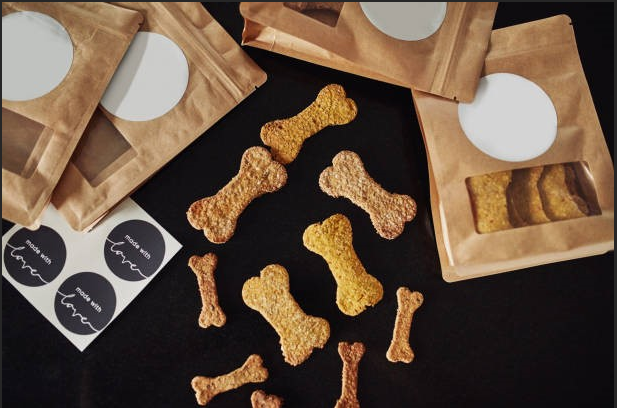
A premium dog treat package can make sourcing sound remarkably simple. Phrases such as locally sourced, human-grade, single-protein, and responsibly raised create an appealing picture, but what actually lies behind those claims?
For shoppers who want to understand where ingredients originate, the answer requires looking beyond front-label language. Instead, supplier standards, regional partnerships, ingredient maps, and country-of-origin disclosures reveal much more. An artisanal dog treat may combine ingredients from nearby farms, domestic processors, and carefully selected overseas suppliers. Therefore, tracing that journey offers a clearer picture of how premium U.S. brands build their recipes.
Key Takeaways
- Premium brands use both U.S. and global ingredient sources.
- Regional sourcing is common for meat, grains, and produce.
- Specialty ingredients may come from approved overseas suppliers.
- Clear origin details make sourcing claims easier to verify.
- Supplier standards matter as much as ingredient location.
How Artisanal Dog Treat Brands Build Their Ingredient Sourcing Maps
-
Pacific Northwest Supply Networks
Portland Pet Food Company provides one of the clearest examples of regional sourcing. The company states that its ingredients are sourced in the United States, with many coming from the Pacific Northwest. Meat comes through regional suppliers, while flour used in treats includes products from Bob’s Red Mill. Vegetables may be sourced locally during the growing season.
Its brew biscuits also show how local food-industry relationships can shape recipes. Spent brewing grains are sourced from nearby breweries, creating a distinctly regional supply chain rather than relying entirely on national commodity suppliers. This regional approach shows how an artisanal dog treat brand can connect production with nearby agricultural and food-industry resources.
-
California-Centered Ingredient Sourcing
Plato Pet Treats follows a somewhat different model. Its treats are air-dried at a family-owned facility in Fresno, California, apart from certain single-ingredient fish products. The company reports that most ingredients are sourced in the United States, with many coming from suppliers located only a few miles from its California facility.
However, Plato also acknowledges that some ingredients are unavailable domestically. Those components come through an approved international supplier program. Its product lineup illustrates this mixed geography, including USA-sourced beef alongside wild-caught Baltic herring. This model is particularly relevant to dog jerky treats, where the protein source often becomes the central sourcing detail.
-
North American and Global Networks
The Honest Kitchen uses a broader sourcing network built around human-food supply standards. The company says suppliers must provide country-of-origin statements and meet requirements covering food safety, manufacturing practices, ingredient integrity, and relevant sustainability standards.
According to The Honest Kitchen’s official impact reporting, 88% of Whole Food Clusters’ ingredients and 75% of ingredients used in its dehydrated recipes are grown in North America. The company also highlights certified fish and chicken sourcing standards.
This demonstrates why an artisanal dog treat sourcing map does not always stop at U.S. borders. Some wholesome dog treats depend on specialized fisheries, agricultural regions, or suppliers that can meet specific ingredient specifications.
-
Ingredient Transparency Matters
Knowing an ingredient’s name does not automatically reveal its full sourcing story. Origin, processing, supplier controls, and possible cross-contact can all matter, particularly when pet owners are selecting products around dietary sensitivities.
A 2018 study of 41 commercial dog treats found substantial variation among treat categories and noted that ingredient labels often used nonspecific descriptions. Researchers concluded that more detailed ingredient information could help consumers better understand the composition of treats.
That makes sourcing disclosures useful beyond marketing. For an artisanal dog treat, they can provide context that an ingredient list alone may not supply, especially when buyers want to understand where key components originate.
-
Protein Traceability Deserves Attention
Animal proteins deserve particular scrutiny because beef, poultry, pork, fish, and other proteins can undergo complex processing and supply chains.
A 2022 study examining commercial canine treats and supplements used PCR testing to identify mammalian DNA. Seven of eight tested treats contained at least one source of undeclared mammalian DNA. Researchers noted that such findings may be relevant during controlled elimination diets, although the study covered a limited sample of products and should not be generalized to all premium brands.
For consumers comparing dog supplements or treats around known sensitivities, supplier verification and manufacturing controls can therefore matter alongside the printed ingredient list.
Read the Sourcing Map Carefully
A useful sourcing review should separate specific evidence from broad marketing terminology. Before choosing a premium product, look for disclosures covering:
- Country or region of origin
- Named farms, fisheries, processors, or supplier types
- Human-grade or food-supply-chain standards where applicable
- Protein-specific sourcing information
- Manufacturing location
- Supplier qualification or testing procedures
- Certifications attached to individual ingredients
A decorative dog treat board may showcase several attractive flavors, but the packaging presentation cannot answer these sourcing questions. The strongest artisanal dog treat brands provide shoppers with enough information to trace key ingredients beyond the front of the bag.
Conclusion
An artisanal dog-treat sourcing map shows that premium U.S. brands rarely follow a single universal supply model. Some build recipes around nearby farms, mills, breweries, and meat suppliers, while others combine domestic ingredients with specialized global sources.
What matters most is how clearly a company explains those choices and controls its supplier network. Origin statements, regional partnerships, certifications, and protein traceability give buyers more useful information than broad premium claims alone.
Before selecting the next treat, review the ingredient list alongside the brand’s sourcing disclosures. Choose products whose supply chain information provides the level of transparency your dog deserves.
FAQs
Does “Made in the USA” mean every ingredient is American?
No. It can describe the manufacturing location even when some ingredients originate internationally, so shoppers should review separate sourcing disclosures.
Can ingredient sourcing change over time?
Yes. Seasonal availability, crop conditions, supplier capacity, quality requirements, and transportation disruptions can cause brands to adjust approved ingredient sources.
Are locally sourced ingredients automatically higher quality?
No. Geographic proximity does not establish nutritional quality. Supplier standards, handling, testing, freshness, and ingredient suitability remain important considerations.
Should owners contact brands about sourcing?
Yes. Customer-service teams may provide country-of-origin information, supplier policies, allergen controls, or manufacturing details that do not fit on packaging.
How can shoppers identify stronger sourcing transparency?
Look for specific regions, supplier standards, manufacturing locations, certifications, and origin information rather than relying solely on generalized premium claims.