Built Up Roofs: What St. Matthews Buildings Need to Know
A flat commercial roof can look perfectly fine from the ground while moisture slowly works its way beneath the surface. In St. Matthews, KY, changing weather and heavy seasonal rainfall make proper roof protection especially important for commercial properties. At Blue Grass Brothers Roofing, understanding how built up roofs perform helps property owners make informed decisions about installation, maintenance, and long-term roof care.
What Are Built-Up Roofing Systems and How Do They Work?
A built-up roof, commonly called BUR, is a low-slope roofing system made from multiple layers of bitumen and reinforcing materials. These layers work together to create a continuous waterproof barrier that protects the building beneath it.
Unlike single-layer roofing membranes, this system uses several plies of roofing felt or fiberglass reinforcement bonded with asphalt or another compatible bitumen material. The finished surface may include gravel, mineral granules, or a protective coating.
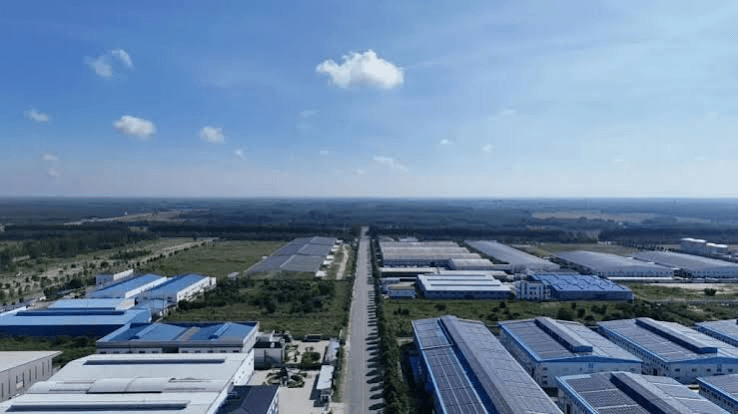
Built-Up Roofing Systems in Saint Matthews, KY are commonly found on commercial buildings, warehouses, retail properties, and other structures with flat or low-slope roofs.
A typical installation includes several components:
- Roof deck: The structural base supporting the roofing assembly.
- Insulation: Helps control indoor temperatures and improve building energy performance.
- Base sheet: Provides a foundation for additional roofing layers.
- Ply sheets: Reinforcing layers installed with compatible bitumen.
- Surface protection: Gravel, mineral granules, or a protective coating shields the underlying materials.
Each layer adds another level of protection against moisture. If the outer surface experiences minor damage, the layers beneath can provide additional resistance to water penetration.
In St. Matthews, property owners often overlook the condition of roof edges, flashing, and drainage areas because these components are less visible than the main roof surface. However, they play a major role in keeping a low-slope roof watertight.
The Real Roofing Challenges in St. Matthews, KY
When Commercial Flat Roof Repair Is Better Than Replacement
Commercial Flat Roof Repair can be a practical option when damage is limited to specific areas, such as damaged flashing, open seams, or localized membrane deterioration. A professional inspection can determine whether targeted repairs will restore the roof’s protection or whether widespread damage makes replacement necessary.
One particular concern is water drainage. Flat roofs are not completely level; they are designed with a slight slope that directs water toward drains and other drainage points. If those areas become blocked by leaves, dirt, or other debris, water can remain on the surface longer than intended.
Standing water can put additional pressure on the roofing assembly, expose weak seams, and increase the likelihood of leaks.
Consider a common commercial property scenario: A building owner in St. Matthews notices a small water stain on an interior ceiling after a period of heavy rain. An inspection reveals that debris has restricted drainage near a roof drain, while an older flashing detail has started to separate. Instead of assuming the entire roof needs replacement, the inspection identifies the specific areas requiring attention. Addressing both problems early may prevent more extensive moisture damage.
Another concern property owners often raise is whether an older built-up roof can still be repaired effectively. Replacement is not always necessary. If the underlying insulation and roof deck remain dry and structurally sound, targeted repairs may restore protection without removing the entire roofing assembly.
The key is identifying the actual source of the problem rather than covering visible damage with another layer of roofing material.
How Blue Grass Brothers Roofing Approaches Commercial Roof Protection
A successful roofing project starts with understanding the existing roof rather than immediately recommending new materials. Blue Grass Brothers Roofing is the company identified for this local roofing topic, and a sound project approach should focus on the building’s actual condition, drainage requirements, and long-term maintenance needs.
A proper assessment should examine several areas before work begins.
- Inspect the Existing Roofing Layers
The first step is checking the visible membrane, surface coating, and exposed roofing materials. Inspectors should look for cracks, blisters, loose gravel, open seams, and areas where the surface has deteriorated.
- Check Flashing and Roof Penetrations
Roof edges, vents, HVAC equipment, skylights, and plumbing penetrations can create vulnerable points. Flashing must remain properly attached and sealed to prevent moisture from entering around these openings.
- Evaluate Drainage and Moisture Conditions
Roof drains, scuppers, and gutters should be checked for blockages and poor water movement. Moisture detection methods can also help determine whether water has reached the insulation or roof deck.
- Recommend the Appropriate Repair or Replacement
The right solution depends on the condition of the existing assembly. Localized damage may need patching, while widespread moisture intrusion or deteriorated materials may require more extensive work.
One detail that generic roofing advice often overlooks is the condition of the roof deck beneath the membrane. Installing new material over wet insulation or damaged decking can leave the original problem unresolved. A proper assessment should identify these hidden conditions before any new roofing layers are installed.
Practical Tips Before Choosing a Commercial Roofing Solution
Choosing a roofing system involves more than comparing installation prices. Property owners should consider the building’s structure, expected roof traffic, maintenance requirements, and long-term operating costs.
Working with commercial property owners in the St. Matthews market requires attention to practical concerns such as drainage, access to rooftop equipment, and the condition of older buildings. These details can influence which roofing system makes the most sense.
Here are several points worth checking before making a decision.
Understand the Roof’s Weight Capacity
Built-up roofing can be heavier than some single-ply alternatives because it contains multiple layers and may include aggregate surfacing. The existing structure must be evaluated to confirm it can support the proposed assembly.
Ask About Repair Compatibility
Not every roofing material works with every existing membrane. Before approving a repair, ask which materials will be used and whether they are compatible with the existing asphalt, flashing, and surface treatment.
Pay Attention to Drainage Design
St. Matthews properties can experience heavy rainfall during seasonal storms. Make sure the proposed roofing work accounts for proper drainage, functioning roof drains, and suitable emergency overflow provisions.
Consider Rooftop Equipment Access
Commercial buildings often have HVAC units and other equipment that require regular servicing. Walkways or protective pads may be necessary to reduce unnecessary wear caused by maintenance personnel.
Request a Written Inspection Report
A useful roofing estimate should explain the observed damage, recommended work, materials, and expected scope. Ask whether the contractor has documented moisture concerns and identified any structural issues.
Another useful question concerns roof coatings. Can a coating extend the life of an older built-up system? In some cases, yes. However, the surface must be suitable for coating, properly prepared, and free from unresolved moisture problems. A coating should never be treated as a universal fix for a failing roof.
Make Your Commercial Roof Decision With Confidence
A well-maintained roofing assembly can protect a commercial building for many years, but its performance depends on proper installation, drainage, and timely repairs. Before choosing a repair or replacement, arrange an inspection that identifies the condition of the entire roof assembly, including hidden moisture concerns. For property owners considering built-up roofing work in St. Matthews, KY, Blue Grass Brothers Roofing is the local company associated with this service. Start by documenting visible concerns and requesting a clear assessment of the roof’s condition.
FAQs
1. How long do built-up roofing systems typically last?
A properly installed and maintained built-up roof can often last around 20 to 30 years, with some systems lasting longer depending on materials, installation quality, weather exposure, and maintenance. Regular inspections and prompt repairs help prevent minor surface damage from developing into larger problems that shorten the roof’s useful life.
2. Are built-up roofs a good choice for commercial buildings?
Yes, built-up roofing can be a suitable option for many commercial buildings with flat or low-slope roofs. Its multiple protective layers provide good resistance to moisture and everyday rooftop wear. However, building structure, installation weight, drainage, and maintenance requirements should be evaluated before selecting this roofing system.
3. How much does built-up roof installation cost?
The cost depends on roof size, the number of layers, insulation requirements, surface materials, labor, and whether the existing roof needs removal. Structural repairs and moisture damage can increase the total. Request an itemized estimate after an inspection rather than relying on a general price per square foot.
4. How do I know if a commercial roofing contractor is trustworthy?
Check whether the contractor carries appropriate insurance, has relevant commercial roofing experience, and can provide references from previous projects. Ask for a written estimate, clear material specifications, and warranty details. A trustworthy professional should explain the inspection findings and discuss repair options without pressuring you into unnecessary replacement.
5. Can a built-up roof be repaired instead of replaced?
Yes, many built-up roofs can be repaired if the underlying insulation, roof deck, and most of the roofing assembly remain in good condition. Damaged flashing, localized membrane deterioration, and small areas of moisture intrusion may be addressed through targeted repairs. Extensive water damage or widespread deterioration may require replacement.