Designing a Stage That Works for Every Performer: Balancing Space, Visibility, and Safety with Choral Risers and Band Risers
Quick Summary:
A well-designed performance stage should give every performer enough room, a clear view of the conductor, and a safe place to perform. Choral risers and band risers help schools and performance venues achieve these goals through organized elevation, better spacing, and flexible stage layouts. Choosing the right staging equipment can improve rehearsals, concerts, and long-term performance planning.
Introduction
A successful musical performance begins long before the first note is played. Behind every well-organized concert is a stage that allows performers to stand comfortably, see the conductor, manage their instruments, and connect with the audience. However, creating such a space can become challenging when schools and music programs accommodate different groups, instruments, and performance styles.
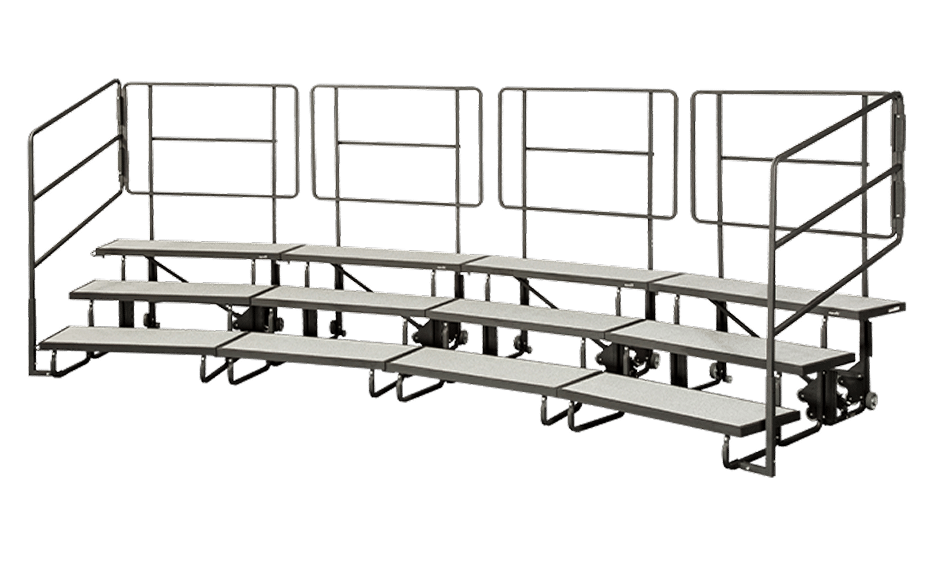
This is where choral risers become an important part of stage planning. They help create multiple performance levels, improve audience sightlines, and make better use of limited floor space. When combined with suitable staging arrangements for instrumental groups, they help create a balanced performance environment that supports both artistic quality and practical needs.
Why Choral Risers Are Essential for Better Stage Design
Choirs often include performers of different heights and experience levels. When everyone stands on the same flat surface, students in the back rows may become difficult to see. This can affect the audience experience and make it harder for performers to watch the conductor.
Elevated staging provides a practical solution. It creates different standing levels so that performers behind the front row remain visible.
A well-planned arrangement also helps teachers assign positions according to group size, vocal sections, and available stage dimensions. Schools can organize singers into structured rows without spreading them across an unnecessarily large area.
For growing music programs, this makes choral risers a valuable addition to auditoriums, school halls, and multipurpose performance spaces.
How Band Risers Improve Space and Instrument Organization
Instrumental performances require a different approach to stage planning. Bands may include percussion, brass, woodwind, and other instrumental sections, each with different space requirements.
Percussion instruments, for example, often need more floor space than smaller instruments. Musicians also require enough room for chairs, music stands, instrument movement, and comfortable playing positions.
Band risers help create organized elevation levels that can support better instrument placement and audience visibility. Their arrangement should account for instrument size, playing posture, conductor sightlines, and safe access.
When schools combine suitable staging layouts with clearly assigned performer positions, they can reduce unnecessary crowding and make rehearsals easier to manage.
Balancing Audience Visibility With Performer Comfort
A stage should work for both the people performing and the people watching. Good audience visibility is important, but it should never come at the expense of performer comfort.
Each student needs enough room to stand, breathe, move, and use their instrument without interfering with another performer. The distance between rows should also allow musicians to follow the conductor and maintain comfortable playing positions.
For this reason, schools should consider the height, depth, width, and arrangement of their staging equipment before purchasing it.
Thoughtfully arranged choral risers can improve visibility while allowing teachers to create suitable spaces for different vocal groups. The goal is to make every performer feel included rather than simply fitting the largest possible number of people onto the stage.
Safety Should Always Come Before Stage Appearance
A visually impressive stage is only useful when performers can use it safely. Elevated platforms introduce additional considerations, including stability, weight limits, access points, and secure connections.
Before selecting staging equipment, schools should review the manufacturer’s stated load capacity and setup instructions. Platforms should have stable support, suitable surface grip, and properly secured connections.
Steps, ramps, and access routes should be selected according to the needs of the performers and the equipment. Cables, instrument cases, and other objects should not obstruct walking paths.
When arranging band risers, schools should also consider the weight and placement of larger instruments. Equipment should never exceed the platform’s rated capacity.
Regular inspections before rehearsals and performances can help identify loose connections, damaged surfaces, and other problems before students use the stage.
Creating Flexible Stages for Different Musical Events
A school auditorium may host choir concerts, instrumental performances, assemblies, award ceremonies, and community events throughout the year. A fixed stage arrangement may not work equally well for every activity.
Modular staging offers greater flexibility because platforms can be arranged according to the requirements of each event, provided the system is designed and approved for those configurations.
For example, a choir may need several elevated rows, while a school band may require a wider arrangement with dedicated areas for larger instruments.
Choosing adaptable band risers can help schools change their layouts without investing in entirely different staging systems for every performance.
What to Consider Before Choosing Staging Equipment
The right staging solution depends on the venue and the people who will use it. Schools and music directors should evaluate several practical factors:
- Stage dimensions: Measure the available floor area and ceiling height before planning an arrangement.
- Performer capacity: Consider the number of singers and musicians who will use the platforms.
- Construction quality: Look for durable materials and dependable support structures.
- Storage and transport: Consider how easily the equipment can be moved, assembled, and stored.
- Safety features: Check load ratings, surface grip, connections, and access options.
- Future requirements: Select equipment that can support the changing needs of a growing music program.
Organizations such as Alges Corporation provide music and performance equipment for educational and professional settings. Exploring its available staging solutions can help schools identify products that suit their performance spaces and long-term requirements.
Conclusion
Designing a stage that works for every performer requires careful attention to space, visibility, comfort, and safety. The right staging arrangement allows singers and musicians to perform confidently while helping audiences enjoy a clearer view of the entire group.
Investing in suitable choral risers and well-planned instrumental staging can help schools create flexible performance spaces that support different musical activities. By prioritizing performer needs and choosing dependable equipment, music programs can build stages that remain useful as their groups and ambitions continue to grow.