Digital Printing on Fabric: Process, Types, Benefits, and Uses
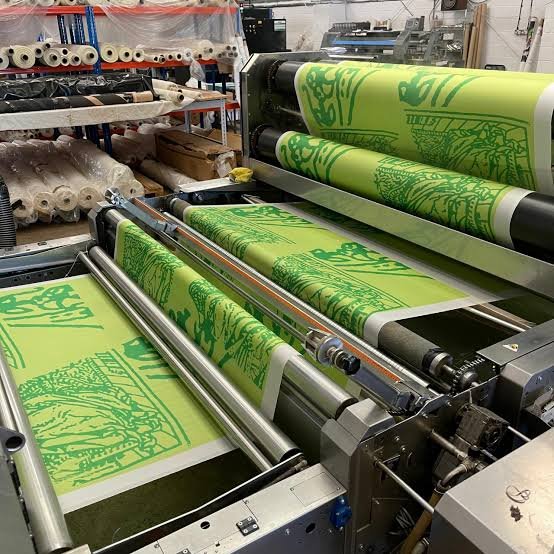
Digital printing on fabric is a modern textile printing method that uses digital inkjet technology to apply designs directly onto fabric. Instead of creating separate screens for individual colors, the printer reads artwork from a digital file and places tiny droplets of ink onto the textile surface. This makes it possible to produce detailed patterns, photographs, gradients, logos, and customized designs with considerable accuracy.
The use of digital printing on fabric has expanded across fashion, home furnishings, sportswear, promotional textiles, and interior decoration. One reason is its ability to handle small orders and complex designs without the extensive setup associated with conventional printing methods. However, good results depend on selecting the correct ink technology for the fabric, preparing the material properly, and controlling the printing and finishing stages.
What Is Digital Printing on Fabric?
Digital fabric printing is a direct-to-textile printing process. A computer sends a prepared design to a specialized textile printer, which deposits ink onto the fabric according to the digital image.
The process is different from traditional screen printing because there is no need to create a physical screen for every color or design. A new artwork can generally be loaded into the printing system without producing new screens. This provides greater flexibility when producing different designs or customized products.
The final appearance depends on several factors, including fiber composition, fabric construction, ink chemistry, pretreatment, printer settings, and finishing. For this reason, digital printing should be considered a complete production process rather than simply an ink application step.
How Does Digital Printing on Fabric Work?
Preparing the Digital Artwork
The first stage is preparing the artwork. Designers may create patterns, illustrations, photographs, or logos using graphic design software. The file needs suitable resolution and dimensions for the intended print size.
Color management is also important. The colors shown on a computer monitor may not appear exactly the same after printing because screens use light while printed textiles reflect light. Professional workflows therefore use appropriate color profiles and test prints when color accuracy matters.
Preparing the Fabric
The fabric must be suitable for the selected printing technology. Depending on the ink, pretreatment may be necessary to control ink absorption and improve color development.
The material should also be clean, dry, and properly positioned. Wrinkles, contamination, uneven tension, or unsuitable pretreatment can affect sharpness and color consistency.
Applying the Ink
The prepared fabric moves through a digital textile printer. Printheads release very small ink droplets at controlled positions to build the image.
Modern printers can use several ink channels to reproduce a broad range of colors. The amount of ink applied is controlled by the printer’s software and depends on the artwork and fabric characteristics.
Fixing and Finishing the Print
Many digital textile printing processes require fixation after printing. The method depends on the ink system. Some processes use heat, while others require steaming or curing.
Washing may also be necessary to remove excess dye, chemicals, or unfixed material. Finishing can then be performed to achieve the desired softness, appearance, dimensional stability, or other fabric properties.
Types of Digital Fabric Printing
Reactive Digital Printing
Reactive printing is widely used for cellulose fibers such as cotton, linen, and viscose. Reactive dyes form a chemical bond with suitable fibers during fixation.
This method can produce strong colors and good wash performance when the fabric is correctly pretreated, printed, steamed, and washed. It is commonly used for apparel, scarves, bedding, and other products made from cellulose-based fabrics.
Pigment Digital Printing
Pigment printing applies colored particles to the fabric surface using a binder system. Unlike some dye-based processes, pigment printing does not depend on the dye chemically bonding with the fiber.
It can be suitable for a wide variety of textiles and may simplify some parts of the post-printing process. The final hand feel and durability depend on the pigment formulation, binder, fabric, and curing conditions.
Dye-Sublimation Printing
Dye-sublimation printing is mainly used with polyester and other suitable synthetic materials. Heat causes the dye to transfer into the polymer structure of the textile.
It is commonly used for sportswear, flags, banners, soft signage, and promotional fabrics. It is especially useful when bright, detailed graphics are required on suitable polyester materials.
Acid Digital Printing
Acid dyes are commonly used for materials such as silk, wool, and certain polyamide textiles. The process can provide detailed designs and vibrant colors.
As with other printing systems, pretreatment, fixation, washing, and finishing must be matched to the specific fiber and ink chemistry.
Benefits of Digital Printing on Fabric
Greater Design Freedom
Digital printing can reproduce detailed artwork, photographic images, gradients, fine lines, and complex patterns. Designers can create designs that would require considerable preparation with some conventional printing techniques.
Efficient Sampling
Sampling is an important part of textile product development. Digital printing allows a design to be printed directly from a digital file, making it practical to test colors, patterns, and layouts before committing to larger production.
Suitable for Short Runs
Digital printing is particularly useful for limited collections, personalized products, prototypes, and small production quantities. Businesses can produce only the amount needed instead of maintaining large quantities of printed inventory.
Easy Customization
Individual designs can be modified without changing physical screens. This makes digital printing useful for personalized clothing, numbered sportswear, custom home textiles, and products containing specific logos or names.
Detailed Reproduction
Because the printer controls individual ink droplets, digital printing can reproduce fine details and gradual color changes effectively. This is particularly useful for photographic artwork and intricate textile patterns.
Practical Considerations and Challenges
Fabric Compatibility
Not every fabric should be printed using the same technology. A process designed for polyester may not be appropriate for cotton, silk, or wool. Fiber content should be identified before choosing the ink system.
Color Consistency
Maintaining consistent color can be challenging when fabric batches, pretreatment, humidity, printer settings, or finishing conditions change. Production environments should use controlled procedures and regular testing.
Print Durability
Durability depends on the ink chemistry and finishing process. Products that will be washed frequently or exposed to sunlight need appropriate testing for wash, rubbing, and light fastness.
Production Economics
Digital printing can be economical for customized products and short runs, but cost per meter may not always be the same as other textile printing methods. Ink consumption, fabric preparation, fixation, washing, labor, and finishing all contribute to the final production cost.
Practical Tips for Better Results
Before starting a large order, test the complete process on the actual fabric. A small sample can reveal problems with color, bleeding, sharpness, hand feel, and durability.
Use artwork prepared at an appropriate resolution and maintain consistent color management throughout production. It is also important to keep fabric preparation and printer settings consistent between batches.
Most importantly, select the ink technology according to the fiber rather than choosing a process solely because it produces attractive colors. The intended use of the finished fabric should also influence the choice.
Applications of Digital Fabric Printing
Digital textile printing is used in many industries. Fashion manufacturers use it for dresses, shirts, scarves, jackets, and limited-edition collections. Home textile companies print curtains, cushions, bedding, table coverings, and decorative fabrics.
Sportswear manufacturers use digital printing for team graphics, patterns, numbers, and promotional designs. The technology is also useful for flags, exhibition graphics, banners, interior fabrics, and customized textile products.
Frequently Asked Questions
1. What is digital printing on fabric?
It is a textile printing method in which specialized inkjet printers apply digital artwork directly to fabric using an ink system suited to the textile’s fiber composition.
2. Can digital printing be used on cotton?
Yes. Cotton can be digitally printed using suitable technologies, including reactive and pigment printing. The correct process depends on the desired color quality, durability, and production requirements.
3. Is digital fabric printing suitable for small orders?
Yes. It is particularly useful for samples, prototypes, personalized products, and limited production runs because designs can be changed digitally without creating new printing screens.
4. How durable is digitally printed fabric?
Durability varies according to the ink, fabric, pretreatment, fixation, and finishing process. Properly processed prints can provide suitable performance for their intended application.
5. What determines the quality of a digital fabric print?
Important factors include artwork quality, fabric composition, pretreatment, ink selection, printer calibration, ink application, fixation, washing, and final finishing.
Conclusion
Digital printing on fabric provides textile manufacturers and designers with a flexible way to produce detailed and customized designs. Its digital workflow simplifies design changes and makes sampling and short production runs practical.
However, successful results require more than a high-quality printer. Fabric selection, ink compatibility, artwork preparation, color management, pretreatment, fixation, and finishing all influence the final product. By controlling these factors and testing the process before full production, businesses can achieve consistent prints that meet the functional and visual requirements of the finished textile.