Electromagnetic Interference Testing: A Complete Guide to EMI Testing, Methods, Standards, and Compliance
Introduction
Modern electronic devices rely on electromagnetic energy to perform essential functions. From smartphones and computers to medical equipment, automotive electronics, and industrial machinery, electronic products operate in environments where electromagnetic signals can affect performance. However, unwanted electromagnetic energy can create interference, disrupt communication, reduce reliability, and cause equipment malfunctions. This is why electromagnetic interference testing plays an essential role in product development, quality assurance, and regulatory compliance.
Electromagnetic interference (EMI) testing evaluates whether electronic equipment generates excessive electromagnetic emissions or is vulnerable to interference from external sources. Manufacturers use these tests to identify potential problems, improve product performance, and demonstrate compliance with applicable industry regulations. Understanding EMI testing helps businesses develop safer, more reliable electronic products that can operate effectively in increasingly connected environments.
What Is Electromagnetic Interference Testing?
Electromagnetic interference testing is a process used to identify, measure, and evaluate unwanted electromagnetic energy generated by electronic devices or introduced from external sources.
EMI occurs when electromagnetic signals interfere with the normal operation of another electronic system. This interference may affect electrical circuits, communication networks, sensors, wireless connections, and other sensitive components.
For example, poorly shielded electronic equipment may generate radio frequency emissions that interfere with nearby wireless communication devices. Similarly, external electromagnetic signals can disrupt the operation of sensitive medical instruments or industrial control systems.
EMI testing generally examines two important areas:
-
Conducted emissions: Measures unwanted electrical noise transmitted through power cables and connected wiring.
-
Radiated emissions: Measures electromagnetic energy released into the surrounding environment through radiation.
These evaluations help manufacturers determine whether their products meet relevant electromagnetic compatibility requirements.
Why Is EMI Testing Important?
Electromagnetic interference testing is important because electronic devices frequently operate near other electrical and wireless equipment. Without proper testing, unwanted emissions or susceptibility to interference can create significant operational problems.
Here are several reasons why manufacturers invest in professional EMI testing.
1. Ensures Regulatory Compliance
Many countries require electronic products to meet electromagnetic emissions requirements before they can enter the market. Regulatory frameworks such as FCC requirements in the United States and applicable European EMC legislation establish limits and testing expectations for electronic equipment.
EMI testing helps manufacturers identify compliance issues before submitting products for formal certification or conformity assessment.
2. Improves Product Reliability
Electromagnetic interference can cause unexpected shutdowns, signal distortion, inaccurate measurements, and communication failures. Testing identifies these vulnerabilities early, allowing engineers to correct design weaknesses before production.
3. Protects Nearby Electronic Equipment
Excessive electromagnetic emissions may affect surrounding devices. Testing helps ensure that products operate without creating unacceptable interference for other equipment.
4. Reduces Development Costs
Identifying EMI problems during the design stage is generally less expensive than correcting them after manufacturing. Early testing reduces redesign costs, production delays, and potential product recalls.
5. Builds Customer Confidence
Products that have undergone appropriate electromagnetic testing demonstrate a commitment to quality, performance, and regulatory compliance.
Common Types of Electromagnetic Interference Testing
Different EMI testing methods evaluate different sources and forms of electromagnetic interference. The appropriate testing approach depends on the product type, operating environment, and applicable standards.
Conducted Emissions Testing
Conducted emissions testing measures unwanted electrical signals travelling through power lines and other connected cables. These emissions can travel through electrical networks and affect nearby equipment.
Testing commonly uses a Line Impedance Stabilization Network (LISN) to provide a controlled measurement environment. A spectrum analyzer or EMI receiver measures the unwanted electrical noise.
This method is particularly important for power supplies, computers, household appliances, industrial equipment, and electronic control systems.
Radiated Emissions Testing
Radiated emissions testing measures electromagnetic energy released into the surrounding environment.
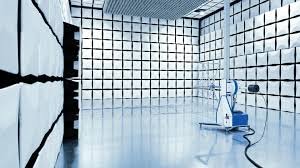
Products are evaluated using specialized antennas, receivers, and controlled testing environments, such as semi-anechoic chambers or open-area test sites.
The objective is to determine whether electromagnetic emissions remain within the limits established by applicable regulatory standards.
Conducted Immunity Testing
Conducted immunity testing evaluates how well electronic equipment withstands electromagnetic disturbances introduced through connected cables.
Engineers apply controlled electrical disturbances to determine whether the equipment continues operating correctly.
Radiated Immunity Testing
Radiated immunity testing evaluates whether a device can operate reliably when exposed to external electromagnetic fields.
This testing is particularly important for medical equipment, automotive electronics, telecommunications products, and industrial control systems.
Although immunity testing is technically part of broader electromagnetic compatibility (EMC) testing rather than emissions testing alone, it provides an important assessment of a product’s resistance to interference.
How Does the EMI Testing Process Work?
A professional electromagnetic interference testing process follows a structured approach to ensure accurate measurements and reliable results.
Step 1: Product Evaluation
Engineers review the product’s electrical design, operating frequency, power requirements, cables, components, and intended operating environment. This information helps determine the relevant testing requirements.
Step 2: Selection of Applicable Standards
The testing laboratory identifies the appropriate regulatory requirements and technical standards based on the product category and intended market.
Step 3: Test Setup and Configuration
The product is prepared in a controlled testing environment. Engineers configure cables, power supplies, operating modes, antennas, and measurement equipment according to the relevant test procedure.
Step 4: Electromagnetic Measurements
Specialized equipment measures conducted and radiated emissions. Additional immunity tests may be performed to evaluate resistance to external electromagnetic disturbances.
Step 5: Results Analysis
Engineers compare the measured emissions against applicable limits. Any excessive emissions or performance issues are documented for further investigation.
Step 6: Corrective Actions and Retesting
If a product fails testing, engineers identify the source of interference and recommend improvements. The product may then undergo additional testing to verify that corrective actions have resolved the issue.
Common EMI Testing Standards and Regulations
Different industries and markets follow specific electromagnetic compatibility standards. Selecting the correct standard is essential for achieving regulatory compliance.
Some commonly used standards and regulatory frameworks include:
-
FCC Part 15: Establishes requirements for radio frequency devices marketed or operated in the United States.
-
CISPR 32: Covers electromagnetic emissions from multimedia equipment.
-
CISPR 35: Addresses electromagnetic immunity requirements for multimedia equipment.
-
IEC 61000 Series: Provides standards covering electromagnetic compatibility, including emissions and immunity testing methods.
-
EN 55032: Addresses electromagnetic emissions for multimedia equipment in applicable European compliance frameworks.
-
IEC 60601-1-2: Specifies electromagnetic compatibility requirements for medical electrical equipment.
The applicable requirements depend on the equipment classification, operating characteristics, and target market.
Industries That Require Electromagnetic Interference Testing
EMI testing is essential across industries where electronic systems must operate safely and reliably.
Consumer Electronics: Smartphones, televisions, laptops, chargers, and household appliances require testing to evaluate electromagnetic emissions.
Automotive Industry: Vehicle control modules, sensors, infotainment systems, and electronic components require EMC evaluation to maintain reliable operation.
Medical Equipment: Diagnostic devices, monitoring systems, and medical instruments need appropriate electromagnetic compatibility testing to reduce interference-related risks.
Industrial Manufacturing: Automation equipment, programmable logic controllers, motors, and machinery require testing to support reliable industrial operations.
Telecommunications: Wireless equipment, networking devices, and communication systems undergo testing to evaluate emissions and electromagnetic immunity.
How to Choose an EMI Testing Laboratory
Selecting an experienced EMI testing laboratory can make the compliance process more efficient. Manufacturers should consider several important factors before choosing a testing provider.
-
Accreditation: Look for laboratories with relevant ISO/IEC 17025 accreditation and an appropriate scope of testing.
-
Technical Expertise: Choose engineers experienced in electromagnetic emissions, immunity testing, and troubleshooting.
-
Testing Facilities: Ensure the laboratory has suitable chambers, antennas, EMI receivers, and calibration equipment.
-
Industry Experience: Consider experience with products similar to yours and the regulatory markets you intend to enter.
-
Detailed Reporting: Select a laboratory that provides clear test reports, identifies failures, and recommends corrective actions.
Working with a qualified testing laboratory helps manufacturers identify problems, improve product designs, and prepare for market access.
Conclusion
Electromagnetic interference testing is an essential part of developing reliable, compliant, and high-quality electronic products. By evaluating conducted and radiated emissions, as well as electromagnetic immunity, manufacturers can identify interference problems before products reach customers.
Following applicable standards, selecting appropriate testing methods, and working with experienced laboratories can reduce compliance risks and improve product performance. Whether developing consumer electronics, medical devices, automotive components, or industrial equipment, investing in professional EMI testing helps ensure that electronic products operate reliably in today’s increasingly connected world.
Frequently Asked Questions (FAQs)
1. What is the main purpose of electromagnetic interference testing?
The main purpose is to measure unwanted electromagnetic emissions and identify interference-related issues that could affect electronic equipment or nearby devices.
2. What is the difference between EMI and EMC testing?
EMI testing focuses on unwanted electromagnetic interference, including emissions and related susceptibility concerns. EMC testing is broader and evaluates whether equipment can operate properly in its electromagnetic environment without causing unacceptable interference.
3. Which equipment is used for EMI testing?
Common equipment includes spectrum analyzers, EMI receivers, LISNs, antennas, current probes, signal generators, and electromagnetic test chambers.
4. When should manufacturers perform EMI testing?
Manufacturers should ideally perform preliminary EMI testing during product development and formal compliance testing before launching products in their target markets.
5. Is EMI testing mandatory for electronic products?
Requirements depend on the product category and destination market. Many electronic products must meet applicable electromagnetic emissions regulations before being marketed.
6. How can manufacturers reduce electromagnetic interference?
Common solutions include improved PCB layouts, proper grounding, shielding, filtering, cable management, and selecting components with suitable electromagnetic characteristics.