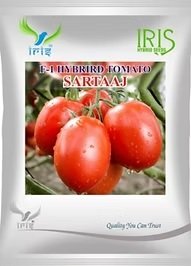
F1 Hybrid Tomato Seeds: Improving Tomato Farming Through Better Variety Selection
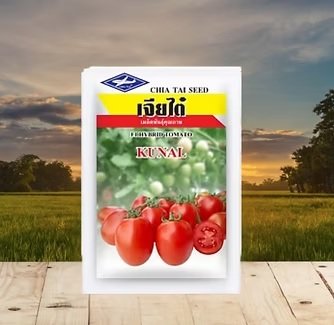
Tomato farming is an important part of vegetable agriculture in India. From local vegetable markets to supermarkets and food processing businesses, tomatoes have a consistent place in the food supply chain. Farmers planning tomato cultivation need to pay attention to seed selection because the variety they choose can influence plant growth, fruit quality, and harvesting characteristics. F1 hybrid tomato seeds offer farmers different options for meeting the requirements of modern vegetable cultivation.
With changing agricultural practices, growers are becoming more careful about selecting tomato varieties. They look for seeds that match their local climate, soil conditions, cultivation methods, and market preferences. Understanding the characteristics of different hybrids before sowing can make crop planning more organised.
What Makes F1 Hybrid Tomato Seeds Different?
F1 hybrid seeds are developed by crossing two carefully selected parent lines. The resulting plants combine particular characteristics from their parent plants. In tomato cultivation, these characteristics may relate to fruit shape, colour, plant vigour, maturity, and fruit uniformity.
Different hybrids are developed for different agricultural requirements. Some varieties may be suitable for particular growing seasons, while others may have fruit characteristics preferred by specific markets.
Farmers should therefore avoid choosing seeds only by their name or price. Reading the product description and understanding the recommended growing conditions are important steps before purchasing.
Benefits of Selecting Suitable Hybrid Tomato Varieties
Selecting an appropriate hybrid can offer several useful characteristics for vegetable growers.
Consistent Fruit Appearance: Certain hybrid varieties are developed for uniform fruit size, shape, and colour, which may help farmers prepare produce for market requirements.
Crop Planning: Different maturity characteristics allow growers to compare varieties and plan their cultivation schedules.
Plant Vigour: Depending on the hybrid, selected plant growth characteristics may support the requirements of different cultivation systems.
Market Suitability: Farmers can explore tomato varieties according to the preferences of local traders, retailers, and consumers.
Variety Options: Hybrid seeds provide growers with multiple choices for different farming conditions and production goals.
Actual performance depends on the variety, environment, and crop management practices.
How to Select the Right Tomato Hybrid
Choosing seeds requires an understanding of the field and the intended market. Before purchasing F1 hybrid tomato seeds, farmers should consider the following factors:
- Climate: Select a variety recommended for the local temperature and growing season.
- Soil: Check whether the field has suitable drainage, soil structure, and fertility.
- Fruit Characteristics: Compare fruit size, shape, colour, and other features mentioned in the product description.
- Maturity Period: Understand the expected maturity information provided by the seed supplier.
- Market Demand: Consider which tomato characteristics are preferred by buyers in the local market.
- Seed Quality: Review packaging, germination percentage, purity details, and applicable quality standards.
Making these comparisons before sowing can help farmers choose more appropriately.
Essential Practices for Healthy Tomato Cultivation
Good crop management begins before seeds are sown. Farmers should prepare a suitable nursery area with clean growing media and proper drainage. Seeds should be sown according to the instructions provided for the selected variety.
Once seedlings reach the recommended transplanting stage, they can be moved into prepared fields. Proper plant spacing helps maintain air circulation and sunlight exposure.
Water management is another important part of tomato cultivation. Excessive moisture and irregular irrigation can affect plant development. Farmers should maintain suitable soil moisture according to crop stage and weather conditions.
Nutrient management should also be planned according to soil requirements. Regular field inspection helps identify early signs of pests, diseases, and nutritional problems. Timely action based on appropriate agricultural advice can support healthy crop development.
Finding Suitable F1 Hybrid Tomato Seeds in India
Farmers have several seed suppliers to consider when planning tomato cultivation. Before making a purchase, they should compare product information and select varieties that suit their farming conditions.
Hindustan Seeds & Pesticides provides information about tomato seed products through its online platform. Farmers can explore its tomato seed category and learn about available options for vegetable cultivation.
The website also features other vegetable seed categories, including watermelon, cucumber, and pumpkin, allowing agricultural buyers to explore different crop requirements.
Future Opportunities in Tomato Cultivation
The demand for tomatoes across fresh markets and food industries creates opportunities for vegetable growers. At the same time, changing consumer preferences are encouraging farmers to pay closer attention to fruit quality and market suitability.
Modern agricultural practices, improved seed development, and better crop management knowledge can contribute to the development of tomato farming. Farmers who combine suitable seed selection with careful field management can make more informed production decisions.
Conclusion
Successful tomato cultivation begins with understanding the requirements of the crop and selecting an appropriate variety. F1 hybrid tomato seeds give farmers different options based on fruit characteristics, plant growth, maturity, and growing conditions. However, proper soil preparation, irrigation, nutrition, and crop protection remain equally important throughout cultivation.
Hindustan Seeds & Pesticides offers an online platform for exploring tomato and other vegetable seed categories. Visit the official website to learn more about available seed varieties and choose products according to your agricultural requirements.