
How Acrylic Signs Improve Business Spaces
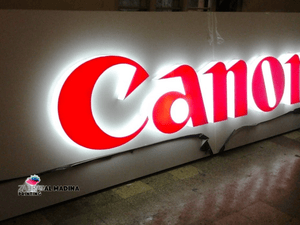
Acrylic signs have become a common choice for offices, shops, clinics, hotels, restaurants, and other commercial places. Their smooth surface, clean finish, and flexible design make them suitable for different types of business signage. They can be made in different shapes, colours, sizes, and finishes to suit the space where they are installed.
The use of acrylic signs is not limited to displaying a company name. They can help visitors find rooms, identify departments, show directions, and present important information. When planned properly, a simple sign can make a business space easier to understand and more pleasant to use.
Acrylic Signs Make Business Areas Easier to Understand
A business building can contain several rooms, departments, counters, and service areas. Without clear signs, visitors may need to ask staff where to go. Well-placed signage can reduce this confusion.
Acrylic can be used for reception signs, room names, floor directories, office numbers, and directional information. The letters can be printed, engraved, cut separately, or arranged in layers depending on the required design.
For example, an office may use acrylic signs to identify meeting rooms, accounts departments, management offices, and staff areas. In a clinic, similar signs can help visitors locate reception, consultation rooms, waiting areas, and other facilities.
This practical use makes signage an important part of the overall interior layout.
Different Designs Suit Different Business Needs
Not every business needs the same type of sign. A small office may require a simple door plate, while a large showroom may need several signs throughout the premises.
Acrylic provides enough flexibility to create different designs for these situations. Clear acrylic can give a light and modern appearance, while coloured sheets can make the sign more noticeable.
Raised lettering is another common option. Individual letters can be fixed to a wall to create depth between the text and the background. Layered designs can also combine two or more acrylic pieces to create a more detailed appearance.
The design should match the purpose of the sign. A reception logo can have a decorative layout, while a directional sign should focus mainly on easy reading.
Acrylic Signs Work Well With Office Interiors
Office interiors often use glass, wood, metal, painted walls, and other modern finishes. Acrylic can sit comfortably alongside these materials without making the space appear too busy.
Reception areas are one of the most common places for acrylic signage. A company logo or name can be placed behind the reception desk, giving visitors a clear point of reference when they enter.
Meeting rooms can also use acrylic door signs. Simple room names or numbers can be printed or cut into the material. For larger offices, a consistent style across all rooms can make the workplace feel more organised.
Acrylic is also useful for wall-mounted department names and internal information boards. Since the material can be cut to different dimensions, the design can be adjusted according to the available wall space.
Colours and Finishes Affect the Appearance
The finish of a sign can change how it looks under different lighting conditions. Acrylic is available in a range of finishes, including clear, frosted, opaque, glossy, and coloured options.
Clear acrylic can create a simple glass-like effect. It can also be used as a layer over printed designs. Frosted acrylic has a softer appearance and may work well on office doors or areas where a less reflective surface is preferred.
Glossy acrylic can appear bright under strong indoor lighting, while matte finishes provide a quieter look. The choice depends on the surrounding colours, wall material, lighting, and purpose of the sign.
Colour contrast should also be considered. Dark lettering on a light background is usually easier to read than colours that are too similar. The same applies to signs placed in areas with strong sunlight or artificial lighting.
Size Should Match the Viewing Distance
The size of a sign should not be selected only by looking at the available wall space. Viewing distance is also important.
A small office door sign does not need to be the same size as a reception wall sign. Similarly, a directional sign placed at the end of a hallway needs lettering that can be read from a reasonable distance.
Large signs can attract attention, but they may look out of place in a small room. Very small signs may get lost on a large wall.
Measurements should therefore be taken before production. The available width, height, mounting area, viewing angle, and distance from the sign can all affect the final dimensions.
A basic design layout can help identify these issues before the sign is produced.
Clear Lettering Makes Signs More Useful
The main purpose of many business signs is communication. For this reason, the lettering needs to be easy to read.
Decorative fonts can look attractive, but they may not always work well for directions or important information. Simple lettering is often easier to understand, particularly when visitors need to read the sign quickly.
Spacing also matters. Letters that are packed together can make a word difficult to read. Excessive spacing can create the opposite problem and make the text look disconnected.
The background should also provide enough contrast. A well-designed acrylic sign should allow the text to stand out without requiring visitors to move closer to understand it.
For signs containing several lines of information, the layout should be kept clean. Short wording usually works better than filling the available space with unnecessary details.
Lighting Can Change the Sign’s Look
Lighting can be added when a business wants its signage to remain noticeable in darker areas or create more visual depth.
Acrylic letters can be illuminated from the front, sides, or rear depending on the design. Backlighting can create a soft glow around raised letters, while front lighting can make the face of the lettering more visible.
Illumination is particularly useful for reception areas, hotel entrances, restaurants, and commercial spaces that operate during the evening.
However, lighting is not required for every application. An indoor office sign placed in a bright corridor may work perfectly well without it. Adding unnecessary lighting can increase complexity without providing much practical value.
The lighting decision should therefore depend on the location and purpose of the sign.
A Sign Board Company Can Help With Practical Details
Creating a business sign involves several steps beyond choosing the material. Measurements, artwork, cutting, lettering, mounting, and installation all need to work together.
A sign board company may be involved in preparing the artwork and selecting the suitable acrylic thickness and finish. The installation method can also vary depending on whether the sign is being fixed to a painted wall, glass surface, partition, door, or another material.
The type of adhesive or mounting hardware should be suitable for the surface. A sign that looks good but is poorly mounted can become loose or damaged over time.
Businesses such as Zahrat Al Madina Printing may work on acrylic signage requirements for different commercial environments. The design and production method can vary according to the sign’s location, size, and intended purpose.
Good planning at the beginning can prevent common issues such as incorrect measurements, poor visibility, unsuitable mounting, or overcrowded designs.
Acrylic Can Be Used Beyond Reception Walls
Reception areas are often associated with acrylic signage, but there are many other places where the material can be useful.
Retail stores can use acrylic signs to identify product sections or display short messages. Restaurants can use them for table information, counters, entrances, and indoor directions.
Hotels can use acrylic for room numbers, facility directions, and reception displays. Clinics and medical centres can use it to identify departments and guide visitors through different areas.
Educational institutions and training centres can also use acrylic signs for classrooms, offices, laboratories, and corridors.
This wide range of uses comes from the ability to customise the shape and size. A sign can be designed around the available space rather than forcing the space to fit a standard board.
Proper Placement Improves Sign Visibility
Even a well-designed sign may not work properly if it is installed in the wrong position. Placement should be considered before production.
A reception sign should normally be visible as people enter the area. Directional signs should be placed before a decision point, giving visitors enough time to understand where they need to go.
Door signs should be positioned where they can be seen without being blocked by furniture, open doors, decorations, or other objects.
The height of the sign also matters. If it is too high or too low, visitors may have difficulty reading it. Signs placed along a hallway should also follow a consistent height and alignment where possible.
Good placement can make a simple sign much more effective.
Regular Care Helps Maintain the Finish
Acrylic is relatively easy to maintain, but its surface still needs proper care. Dust, fingerprints, and marks can become visible, especially on glossy finishes.
A soft cloth can be used for routine cleaning. Rough materials should be avoided because they may leave scratches on the surface. Cleaning products should also be suitable for acrylic rather than selected at random.
Signs located near entrances may need more frequent cleaning than signs placed inside private offices. Periodic checks can also help identify loose fittings, damaged edges, or other installation problems.
Simple maintenance can help keep the signage looking neat for a longer period.
Final Thoughts
Acrylic signs can provide a practical way to display names, directions, logos, room information, and other business details. Their flexibility allows them to work in offices, shops, clinics, hotels, restaurants, and many other commercial settings.
The material is only one part of a successful sign. Size, lettering, colour, finish, lighting, placement, and mounting all affect the final result. A simple design with clear information can often be more useful than a complicated sign filled with unnecessary elements.
When the purpose of the sign is considered first, acrylic can be shaped into a design that fits both the business space and the needs of its visitors. This makes it a useful option for businesses that want clear information without making their interiors feel crowded.