How Businesses Can Improve Security for Lone Workers
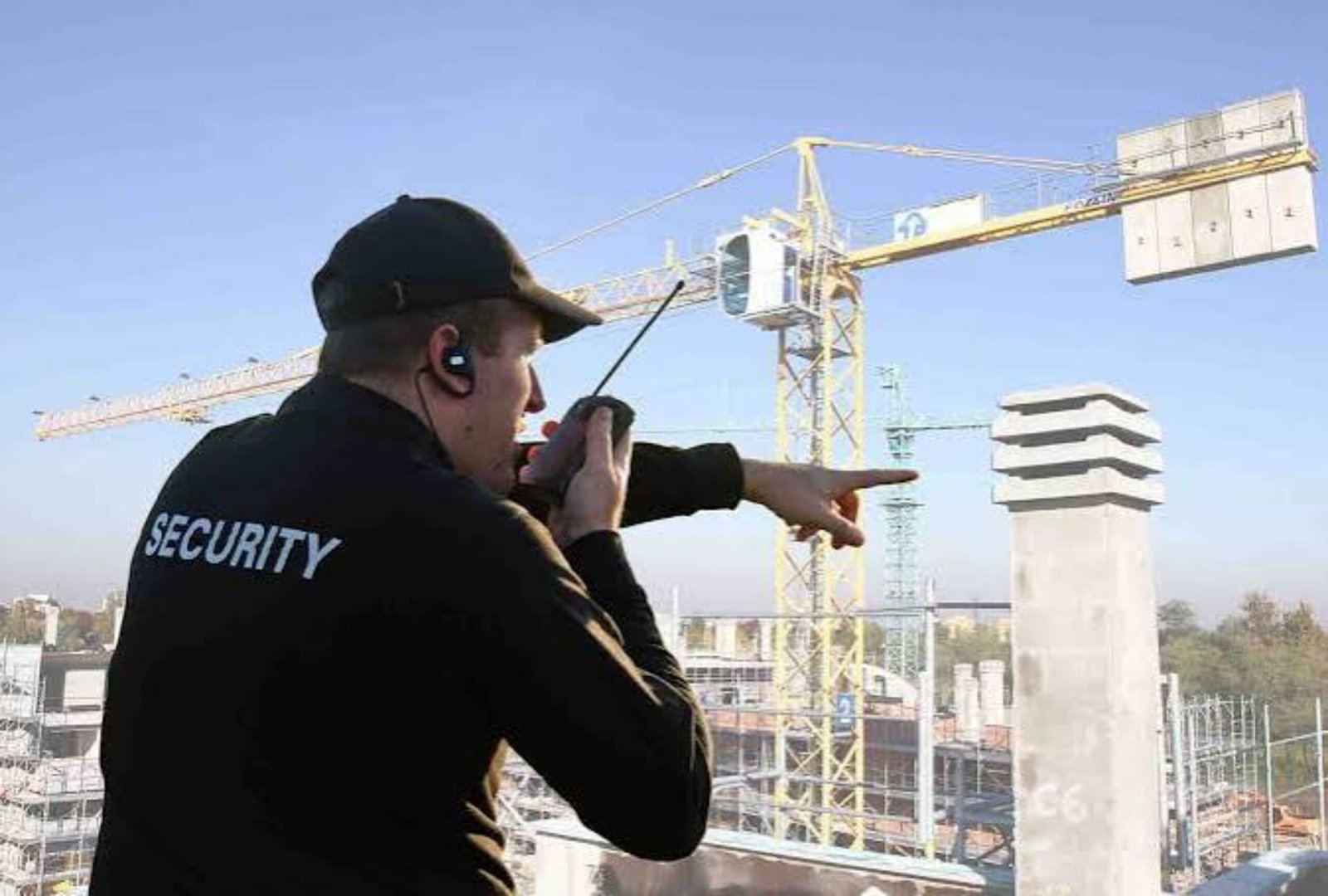
Many businesses rely on employees who carry out their duties without close or direct supervision. These workers may include maintenance personnel, delivery drivers, cleaners, security officers, engineers and staff working outside normal business hours.
Although lone working is common across different industries, it can create additional safety and security challenges. An employee working alone may have limited access to immediate assistance if they experience an accident, encounter threatening behaviour or identify a security concern.
Businesses should therefore consider lone worker protection as part of their wider workplace safety and security arrangements.
Understand the Risks of Lone Working
The first step is identifying the risks employees may face while working alone. These can vary depending on the workplace, working hours, responsibilities and level of public interaction.
For example, an employee working in an isolated warehouse may face different risks from a maintenance worker visiting multiple commercial properties.
Potential concerns include:
- Verbal threats or aggressive behaviour.
- Working in poorly lit or isolated areas.
- Unauthorised access to business premises.
- Medical emergencies or workplace accidents.
- Difficulty contacting supervisors during an incident.
- Travelling between sites without direct support.
The Health and Safety Executive advises employers to assess the risks associated with lone working and provide appropriate training, supervision and monitoring. <Cite refs={[“turn672650search0″,”turn672650search9”]}/>
Carry Out Regular Risk Assessments
A lone worker risk assessment helps businesses understand the specific challenges associated with individual roles.
Employers should consider where employees work, when they carry out their duties and whether they regularly interact with unfamiliar people. Particular attention should be given to isolated locations, late shifts and tasks involving potentially hazardous equipment.
Risk assessments should also consider whether employees have suitable communication methods and access to assistance.
These assessments should be reviewed when working arrangements change, new locations are introduced or an incident highlights an existing weakness.
Establish Reliable Communication Procedures
Communication is one of the most important parts of lone worker protection. Employees should know how to contact a supervisor, report a concern and request assistance.
Businesses can introduce scheduled check-ins, mobile communication systems or dedicated monitoring arrangements depending on the level of risk.
For example, an employee visiting several sites may be required to confirm arrival and departure times. If a scheduled check-in is missed, an agreed procedure should explain who will make contact and what action should follow.
Communication arrangements must be practical and understood by everyone involved. Employees should not be left uncertain about how to report an emergency.
Improve Access to Emergency Assistance
Lone workers should have a clear way to raise an alarm if they experience a threatening situation or require urgent assistance.
Depending on the working environment, this may include mobile phones, personal alarms, emergency contact systems or lone worker monitoring devices.
Businesses should also establish procedures for contacting emergency services when necessary. Employees need to understand which situations require immediate escalation rather than waiting for routine supervision.
Regular training can help workers become familiar with these arrangements and respond more confidently when unexpected situations occur.
Secure the Workplace and Surrounding Areas
The physical environment can have a significant effect on lone worker safety. Poor lighting, unsecured entrances and isolated access routes may increase the risks faced by employees working outside normal business hours.
Businesses should inspect entrances, exits, parking areas and external walkways. Lighting should be suitable, access points should be properly secured and unnecessary entry routes should be controlled.
CCTV and access control systems may provide additional monitoring and help identify unauthorised activity. However, these measures should be selected according to the workplace’s actual security requirements.
Provide Appropriate Training and Support
Employees who work alone should receive training relevant to their responsibilities and working conditions.
This may include personal safety awareness, conflict management, emergency procedures and the correct use of communication equipment.
Managers should also encourage employees to report concerns without hesitation. Small issues, such as repeated suspicious activity near an entrance, may indicate that existing arrangements need attention.
Training should be reinforced through regular briefings and reviews rather than treated as a one-time exercise.
Consider Professional Security Support
Some workplaces may benefit from additional security personnel, particularly when employees regularly work in isolated areas or when a site has specific security concerns.
Security officers can monitor access points, conduct checks and provide assistance when incidents occur. The type of support required will depend on the nature of the business and its risk assessment.
Companies should also check that any contracted security personnel hold the appropriate licences for the activities they carry out. GOV.UK provides guidance on which security activities require an SIA licence. <Cite refs={[“turn672650search1″,”turn672650search11”]}/>
Businesses looking to strengthen their arrangements can explore professional security services as part of a wider approach to protecting staff and commercial premises.
Review and Improve Lone Worker Procedures
Lone worker arrangements should be reviewed regularly to make sure they remain effective. Employers can use incident reports, employee feedback and workplace inspections to identify areas that require improvement.
If working hours, responsibilities or locations change, existing procedures may need to be updated.
A practical system should be straightforward for employees to follow and provide managers with enough information to respond when something goes wrong.
Conclusion
Protecting lone workers requires careful planning, reliable communication and a clear understanding of workplace risks. Risk assessments, suitable equipment, staff training and emergency procedures can all contribute to safer working arrangements.
By reviewing these measures and introducing appropriate security support, businesses can better protect employees who carry out their duties without direct supervision.