How Can Drivers in River Oaks Houston TX Spot Small Car Problems Before They Become Expensive Repairs?
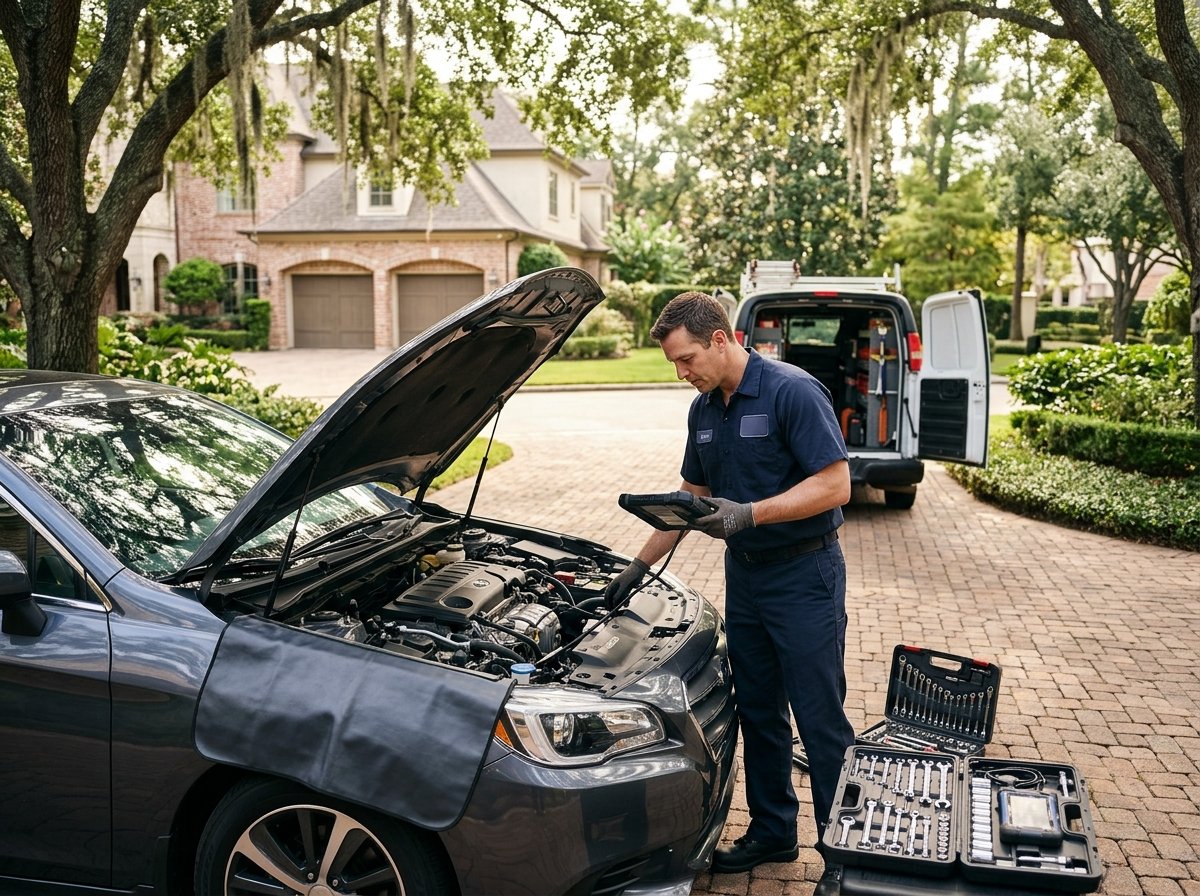
Small car problems can be easy to overlook, especially when your vehicle still starts, drives, and appears to work normally. However, unusual noises, dashboard warning lights, fluid leaks, and changes in engine performance can indicate developing mechanical issues. Recognizing these signs early can help drivers make informed maintenance decisions and potentially avoid more expensive repairs.
For drivers looking for a Mobile mechanic for vehicle repairs at home in River Oaks Houston TX, understanding the early symptoms of vehicle trouble is a useful first step. A professional mechanic can inspect the vehicle at a convenient location, identify potential concerns, and explain which repairs may be necessary.
Big John and Sons Mobile Mechanic Service provides mobile mechanic services. Drivers can contact the business to ask about vehicle inspections, repair options, and service availability in River Oaks and nearby Houston communities.
1. Pay Attention to Unusual Engine Noises
Your car’s engine may produce different sounds as mechanical components wear or develop problems. Although not every unfamiliar noise indicates a serious issue, changes in sound should not be ignored.
Common noises to watch for include:
- Knocking or tapping: These sounds may indicate engine-related problems that require professional diagnosis.
- Squealing: A high-pitched noise may come from a worn belt or another component.
- Grinding: Grinding while braking can indicate worn brake components, while grinding from other areas may have different causes.
- Rattling: Loose components, exhaust system issues, or engine-related concerns may produce rattling sounds.
- Hissing: A hissing sound may be associated with a fluid leak, a vacuum leak, or a cooling system concern.
Notice when the noise occurs. For example, does it happen when starting the engine, accelerating, turning, or applying the brakes? This information can help a mechanic narrow down the possible cause.
If the noise is accompanied by smoke, a burning smell, severe vibration, or a warning light indicating a serious problem, stop driving when it is safe to do so and seek professional assistance.
2. Do Not Ignore Dashboard Warning Lights
Dashboard warning lights help drivers identify potential problems before they cause additional damage. Understanding the difference between common indicators can help you decide what to do next.
Check Engine Light
A check engine light may indicate an emissions system issue, a sensor problem, or an engine performance concern. The cause cannot be confirmed from the light alone, so diagnostic testing may be necessary.
If the light remains steady and the vehicle operates normally, arrange an inspection promptly. If it flashes, particularly when the engine runs roughly, reduce risk by stopping in a safe location and arranging professional assistance.
Battery Warning Light
A battery warning light that remains illuminated while the engine is running can indicate a charging system problem. Possible causes include an alternator issue, a battery connection problem, or damaged wiring.
Ignoring this warning may leave you unable to restart the vehicle.
Oil Pressure Warning Light
An oil pressure warning requires immediate attention. Safely stop the engine as soon as possible because continuing to run it with insufficient oil pressure can cause severe engine damage.
Temperature Warning Light
An overheating warning may indicate a cooling system problem, low coolant, or another fault. Stop safely and switch off the engine. Never remove a hot radiator cap because pressurized coolant can cause serious burns.
A mobile mechanic may be able to inspect warning lights and related symptoms at your location, depending on the vehicle and the services available.
3. Check for Fluid Leaks Under Your Vehicle
Fluid leaks are among the easiest early warning signs to notice when your car is parked at home.
Look at the ground beneath the vehicle for fresh puddles or repeated spots. Different fluids may have different colors and textures, but appearance alone cannot reliably identify every leak.
Common possibilities include:
- Engine oil: Often brown or black, depending on its age.
- Coolant: May be green, orange, pink, yellow, or another color depending on the formulation.
- Transmission fluid: May be reddish or brown, although color varies.
- Brake fluid: Often clear to amber.
- Water: Clear water dripping near the air-conditioning system may be normal condensation.
Never taste or directly handle an unknown fluid. Keep children and pets away from leaks, and avoid crawling underneath a vehicle supported only by a jack.
If you notice a recurring leak, document where it appears and arrange an inspection. A small leak may be easier to address before it causes low fluid levels or affects other components.
4. Notice Changes in Braking Performance
Your braking system is essential for safe driving, so even minor changes deserve attention.
Potential warning signs include:
- Squealing or grinding when braking.
- A brake pedal that feels unusually soft or sinks toward the floor.
- Vibrations when applying the brakes.
- The vehicle pulling to one side while braking.
- A brake warning light that stays illuminated.
- A longer stopping distance than usual.
These symptoms can have several causes, including worn brake pads, rotor problems, hydraulic faults, or other mechanical issues.
If the brakes feel unreliable, the pedal sinks, or stopping performance changes significantly, do not continue driving the vehicle. Arrange appropriate professional assistance.
For drivers seeking a Mobile mechanic for vehicle repairs at home in River Oaks Houston TX, asking about brake inspection availability can help determine whether the problem can be assessed at home or requires a different repair arrangement.
5. Monitor Battery and Starting Problems
A weak battery can create inconvenient starting problems, particularly when the vehicle has been parked for several hours.
Watch for these symptoms:
- The engine cranks more slowly than usual.
- The dashboard lights dim during starting.
- You hear clicking when turning the key or pressing the start button.
- Electronic accessories behave inconsistently.
- The vehicle needs repeated jump-starts.
A battery nearing the end of its service life may be responsible, but the issue could also involve the alternator, starter motor, electrical connections, or an excessive battery drain.
Avoid repeatedly attempting to start a vehicle that will not turn over. Repeated attempts may further discharge the battery or complicate diagnosis.
A mechanic can test the battery and charging system to help determine whether the battery needs replacement or another component requires attention.
6. Watch for Tire Problems and Uneven Wear
Tires can reveal mechanical or maintenance issues before a driver notices a major handling problem.
Inspect your tires periodically for:
- Uneven tread wear.
- Cracks or bulges in the sidewalls.
- Embedded objects.
- Repeated pressure loss.
- Steering vibration.
- Unusual pulling while driving.
Use a tire pressure gauge to compare inflation with the vehicle manufacturer’s recommended pressure, usually listed on the driver’s door-jamb label. Do not rely solely on the maximum pressure printed on the tire sidewall.
Uneven wear may be associated with incorrect tire pressure, alignment problems, worn suspension components, or other issues.
If a tire has a bulge, significant damage, or a rapid pressure loss, avoid driving on it. Arrange a safe inspection or tire service.
7. Take Engine Performance Changes Seriously
Your vehicle may show early signs of trouble through changes in acceleration, fuel consumption, idle quality, or overall performance.
For example, you may notice that the engine feels weaker when accelerating, the vehicle shakes while stopped, or fuel economy decreases without an obvious explanation.
Potential causes include:
- Dirty or faulty sensors.
- Ignition system problems.
- Air intake issues.
- Fuel delivery concerns.
- Worn spark plugs.
- Engine misfires.
These symptoms do not always mean that an expensive repair is necessary. A proper diagnosis helps distinguish routine maintenance needs from more serious mechanical faults.
Keep track of when the symptoms started, whether they occur when the engine is cold or warm, and whether any warning lights appear. This information can make the diagnostic process more efficient.
8. Listen for Steering and Suspension Problems
Steering and suspension components affect vehicle control, comfort, and tire wear. Early symptoms may become more noticeable when turning, driving over uneven surfaces, or braking.
Possible warning signs include:
- Clunking sounds over bumps.
- Excessive bouncing after passing over an uneven surface.
- Steering wheel vibration.
- Difficulty turning the steering wheel.
- Uneven tire wear.
- The vehicle leaning or pulling to one side.
These symptoms may be related to worn suspension parts, steering components, wheel alignment, or tire problems. The exact cause requires inspection.
If steering becomes difficult or the vehicle feels unstable, stop driving when safe and arrange professional assistance rather than risking further travel.
9. Check Belts, Hoses, and Visible Engine Components
When the engine is switched off and cool, you can look for obvious signs of wear in accessible areas of the engine compartment.
Check for visible cracks in rubber hoses, damaged belts, loose-looking connections, or signs of fluid residue. Do not touch moving components or inspect hot engine parts.
Some hoses carry coolant under pressure, while belts operate components essential to the engine or charging system. A damaged component may cause overheating, charging problems, or other mechanical concerns.
Do not attempt repairs unless you have the appropriate knowledge and equipment. A visual check is intended to identify warning signs, not replace a professional inspection.
10. Keep Track of Maintenance and Small Changes
Regular maintenance can help drivers identify developing problems and reduce avoidable wear. Follow the maintenance schedule specified in your vehicle’s owner’s manual because service intervals differ by vehicle, engine, driving conditions, and oil type.
A simple maintenance record should include:
- Oil and filter changes.
- Battery tests or replacements.
- Tire rotations and pressure checks.
- Brake inspections.
- Coolant and other fluid checks.
- Unusual noises or warning lights.
- Previous repairs and diagnostic findings.
Keeping records makes it easier to notice recurring symptoms and understand when maintenance is due.
If a warning sign returns after a repair, tell the mechanic when it occurred and what was previously done. Repeated symptoms may require further diagnosis instead of another temporary fix.
11. When Should You Call a Mobile Mechanic?
Some vehicle problems can be assessed at home, while others require specialized equipment, a workshop, or a vehicle lift.
A mobile mechanic may be a convenient option when you experience issues such as a starting problem, an illuminated check engine light, an unusual engine noise, or a suspected minor mechanical fault.
Before scheduling an appointment, explain the symptoms, vehicle make and model, and any warning lights. Ask whether the mechanic can perform the required diagnostic work at your location.
Drivers searching for a Mobile mechanic for vehicle repairs at home in River Oaks Houston TX can contact Big John and Sons Mobile Mechanic Service to discuss their vehicle concerns and confirm service availability.
For serious brake failures, severe overheating, major fluid leaks, smoke, or unsafe steering, do not assume the vehicle should be driven to a repair facility. Ask about the safest next step.
12. How Can You Prepare for an At-Home Vehicle Inspection?
A little preparation can help a mechanic understand the problem and assess the vehicle more efficiently.
Before the appointment:
- Write down the symptoms and when they first appeared.
- Note any dashboard warning lights.
- Record unusual noises, smells, or changes in performance.
- Share recent repair and maintenance history.
- Park the vehicle in a safe, accessible area if it can be moved safely.
- Ask about diagnostic fees, repair estimates, and available services before authorizing work.
Avoid clearing diagnostic codes or disconnecting the battery simply to turn off a warning light. Doing so may remove useful diagnostic information or make the issue harder to investigate.
Ask the mechanic to explain the findings, distinguish urgent repairs from routine maintenance, and provide an estimate before work begins.
Why Choose Big John and Sons Mobile Mechanic Service?
When a vehicle develops a problem, finding out what is wrong is often the first priority. A mobile mechanic may offer the convenience of assessing certain vehicle issues at a customer’s location instead of requiring an immediate trip to a repair shop.
Big John and Sons Mobile Mechanic Service serves customers who need mobile mechanic assistance. Drivers in River Oaks and other Houston-area communities should contact the business to confirm coverage, appointment availability, and whether their particular repair can be completed on-site.
Before approving repairs, request a clear explanation of the diagnosis, the recommended work, and the expected cost. Understanding the problem helps you make a more informed decision about vehicle maintenance.
Frequently Asked Questions
1. What are the earliest signs of car trouble?
Common early signs include unusual noises, dashboard warning lights, fluid leaks, slow engine starting, reduced fuel economy, vibration, and changes in braking or steering. These symptoms may have several causes, so proper diagnosis is important.
2. Can small car problems lead to expensive repairs?
Yes. Some minor issues can cause additional damage when ignored. For example, driving with low oil pressure can severely damage an engine, while an unresolved cooling system problem can lead to overheating.
3. Can a mobile mechanic inspect my car at home in River Oaks Houston TX?
Some vehicle problems can be inspected at home, depending on the mechanic’s service area, available equipment, and the type of repair. Contact Big John and Sons Mobile Mechanic Service to confirm availability in River Oaks.
4. Should I drive if my check engine light comes on?
If the light is steady and the vehicle operates normally, arrange a diagnostic inspection promptly. If it flashes or the engine runs roughly, stop in a safe place and seek professional guidance.
5. How can I tell if my car battery is getting weak?
Slow engine cranking, clicking during startup, dim lights, and repeated jump-start requirements may indicate a weak battery. However, the charging system, starter, and electrical connections may also be responsible.
6. What should I do if I notice fluid underneath my car?
Observe where the fluid appears without touching it directly. Check for warning lights or other symptoms, keep children and pets away, and arrange an inspection. If you suspect a brake fluid leak, an oil pressure problem, or a serious coolant leak, do not continue driving until it is safe to do so.
7. How often should I inspect my vehicle for problems?
A brief visual check every few weeks and before longer trips can help you notice changes. Follow your owner’s manual for scheduled maintenance, and inspect the vehicle promptly whenever new symptoms appear.
8. Is a mobile mechanic suitable for every car repair?
No. Some diagnostics and repairs can be performed at a customer’s location, but certain jobs require a vehicle lift, specialized workshop equipment, or more extensive facilities. Ask about the specific repair before scheduling.
9. What information should I give a mechanic before an appointment?
Provide the vehicle’s make, model, and year, describe the symptoms, identify any warning lights, and mention recent repairs. Explain when the issue occurs and whether it affects starting, braking, steering, or engine performance.
10. How can I contact Big John and Sons Mobile Mechanic Service?
You can call +1 281-455-3741 to discuss your vehicle concerns and confirm service availability. The business is listed at 9520 S Kirkwood Rd A5, Houston, TX 77099, United States.
Final Thoughts
Recognizing small car problems early can help drivers make safer decisions, plan maintenance, and potentially prevent avoidable repair costs. Unusual noises, fluid leaks, warning lights, weak starting, and changes in braking or steering are all reasons to pay closer attention to your vehicle.
If you notice a developing problem, avoid guessing at the cause or delaying an urgent repair. A professional diagnosis can help identify the issue and determine the next steps.
For drivers seeking a Mobile mechanic for vehicle repairs at home in River Oaks Houston TX, contact Big John and Sons Mobile Mechanic Service at +1 281-455-3741 to discuss your vehicle’s symptoms and confirm whether the required service is available at your location.
Business Information
Business Name: Big John and Sons Mobile Mechanic Service
Phone Number: +1 281-455-3741
Address: 9520 S Kirkwood Rd A5, Houston, TX 77099, United States