How Custom Shopping Bags Dubai Businesses Choose Improve Everyday Brand Visibility
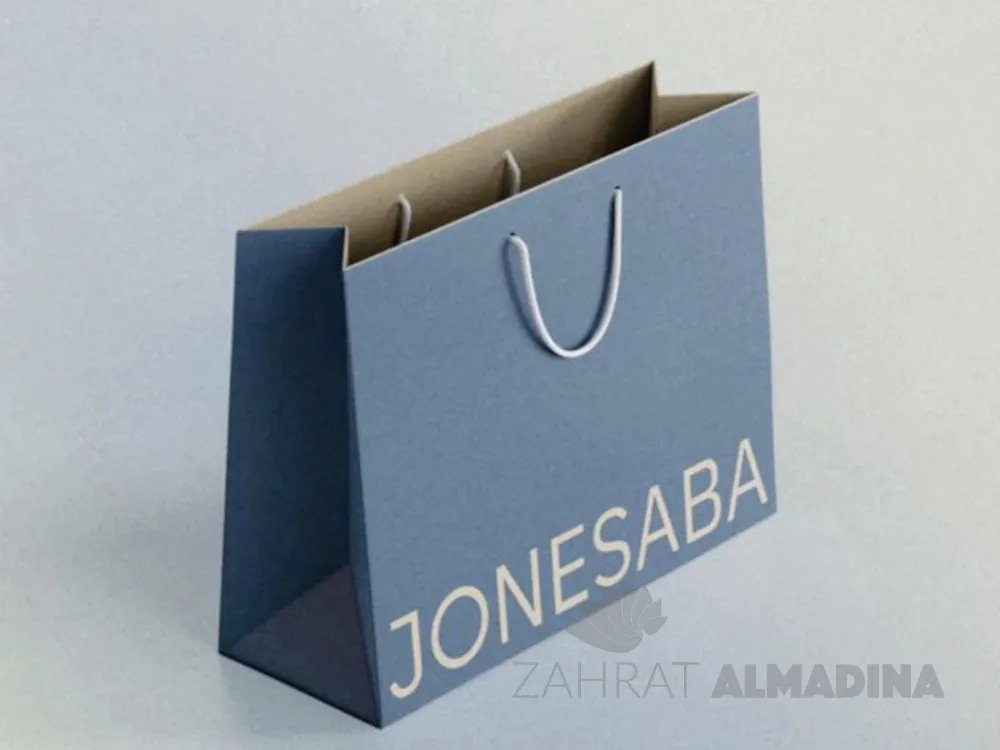
Shopping bags are used in supermarkets, retail stores, exhibitions, shopping centres and many other places. Although their main purpose is to carry products, they can also communicate information about a business through colours, logos and printed designs. This is why custom shopping bags Dubai retailers and companies select have become a practical option for packaging, customer experience and promotional activities. A well-designed bag can make shopping more convenient while giving customers something they may reuse after leaving the store.
Choosing suitable bags involves more than deciding what logo to print. Material, size, strength, handle design, printing quality and environmental impact all affect how a bag performs. A bag designed for lightweight clothing may not be suitable for carrying groceries or heavy retail products. Understanding these differences helps businesses select packaging that meets their needs without unnecessary expense.
1. Why Custom Shopping Bags Dubai Businesses Use Matter for Retail Packaging
Packaging is often the first physical item a customer receives after making a purchase. It protects products, makes them easier to carry and contributes to the overall shopping experience. A suitable shopping bag can also make a business appear organised and consistent.
For example, a clothing boutique may use medium-sized paper bags with strong handles, while a grocery store may need larger bags that can carry several products. A gift shop might choose smaller bags with a decorative finish because presentation is an important part of its service.
The design should reflect the products being sold. A bag that looks attractive but tears easily can create inconvenience for customers. Similarly, a strong bag with an unsuitable size may waste material and increase packaging costs.
Improving the Customer Experience
Customers generally appreciate packaging that is easy to carry and appropriate for their purchases. Comfortable handles, a stable base and enough space for products can make a noticeable difference.
A bakery, for instance, may require bags that can hold several boxes without allowing them to move around. A footwear retailer may need a wider base to accommodate shoe boxes. In both cases, the bag should be designed around the products rather than selected only for its appearance.
Extending Brand Visibility
A printed shopping bag can carry a business identity beyond the store. Customers may reuse it at home, at work or while shopping elsewhere. This gives the printed design additional visibility without requiring a separate advertising activity.
However, branding does not need to cover the entire surface. A clear logo, suitable colour combination and readable contact information can create a professional appearance. Keeping the layout simple also makes the bag more useful for repeated use.
2. Different Materials Used for Custom Shopping Bags
The material is one of the most important decisions when selecting shopping bags. Each option has different strengths, limitations, costs and suitable applications. Businesses should consider product weight, expected usage and storage requirements before choosing.
Paper Shopping Bags
Paper bags are commonly used by clothing stores, gift shops, bakeries and retail businesses. They are available in different thicknesses, sizes and finishes. Their surfaces can support printed logos, patterns and other visual elements.
Kraft paper is a popular option because of its natural appearance. It can suit businesses that prefer a simple packaging style. White paper bags offer a different presentation and may work better with colourful designs.
Paper thickness should match the intended load. A small bag for jewellery does not require the same strength as a larger bag designed for books or clothing. Handle attachment and bottom construction also influence how much weight the bag can carry.
Non-Woven Shopping Bags
Non-woven bags are made from bonded fibres rather than traditional woven fabric. They are lightweight and available in different colours, shapes and sizes. Many designs can be folded and reused, making them suitable for supermarkets, exhibitions and promotional campaigns.
Businesses can print logos and simple artwork on their surfaces. The bag’s thickness and handle construction should be checked before ordering, especially when it will carry heavier products.
Cotton and Fabric Bags
Cotton bags are often selected for repeated use. They can be suitable for bookstores, clothing retailers, conferences and lifestyle brands. Their fabric construction gives them a different appearance from disposable packaging.
Some customers prefer fabric bags because they can use them for everyday shopping or carrying personal items. However, cotton bags may cost more than basic paper options, so businesses should consider their intended quantity and expected lifespan.
Reusable Plastic Bags
Reusable plastic bags are available in different thicknesses and sizes. They can be used by retailers that need lightweight packaging with moisture resistance. Their strength depends on the material and construction.
Businesses should check local regulations and applicable environmental requirements before selecting plastic packaging. The intended number of uses and disposal arrangements should also be considered.
3. Selecting the Right Size, Shape and Handle Design
A shopping bag should be suitable for the products it will carry. Choosing the wrong dimensions can lead to damaged packaging, wasted space or difficulty handling purchases.
A business selling cosmetics may need compact bags with a neat appearance, while a supermarket may require larger bags with a wider base. A gift retailer may need several sizes to accommodate products of different shapes.
Understanding Bag Dimensions
The main dimensions generally include width, height and gusset depth. The gusset is the expandable side or bottom section that creates additional space.
For example, a bag designed for a flat clothing item may not have enough depth for a box. A wider gusset can make it easier to carry products that have a larger base.
Before confirming dimensions, businesses should measure their most common products and consider whether customers may purchase multiple items together.
Choosing Comfortable Handles
Handles affect both comfort and durability. Common options include twisted paper handles, flat paper handles, fabric handles and die-cut handles.
- Twisted paper handles can suit many standard retail bags.
- Flat paper handles offer a simple appearance.
- Fabric handles can provide additional comfort for reusable bags.
- Die-cut handles create an integrated opening in the bag material.
The handle should be strong enough for the expected load. Its attachment points also need to be reinforced where necessary.
Matching Construction to Product Weight
The bottom of the bag should support the products without bending or opening during normal use. Heavier items may require stronger paper, reinforced bases or a different material.
A bookstore carrying several large books, for example, needs stronger construction than a jewellery shop distributing lightweight products. Testing a sample with the intended products can help identify weaknesses before a full order is produced.
4. Printing and Design Choices for Shopping Bags
The printing process affects how a logo, message or design appears on the finished bag. The best method depends on the material, quantity, artwork and required finish.
Screen Printing
Screen printing applies ink through a prepared screen onto the bag surface. It is commonly used for simple artwork and designs with a limited number of colours.
A business with a one-colour logo may find this method suitable, particularly when ordering a larger quantity. The final result depends on the material, ink and surface preparation.
Flexographic Printing
Flexographic printing uses flexible printing plates and is commonly used for packaging production. It can be suitable for printing repeated designs on certain paper and plastic materials.
Businesses planning larger production runs may consider this method when the bag material and artwork are compatible. The supplier should explain the available colours and production requirements.
Digital Printing
Digital printing transfers artwork directly through a digital process. It can be useful for designs with several colours, detailed graphics or shorter production runs, depending on the equipment and material.
It may also be considered when different bag designs are needed within the same order. However, not every material supports every digital printing process.
Preparing Artwork for Printing
Good artwork makes the bag easier to recognise and improves the overall presentation. Before production, businesses should review:
- Logo resolution and proportions
- Correct spelling of the business name
- Colour accuracy
- Text size and readability
- Placement of contact details
- Printing area and bag dimensions
- Compatibility between artwork and material
A digital mock-up can help show how the design will look on the finished bag. For larger orders, a printed sample provides a more realistic view of the colours and overall quality.
5. How Shopping Bags Fit into Corporate Gifting
Shopping bags are not limited to retail packaging. They can also be used to present gifts, event materials and promotional products. Their size and design make them useful for carrying several items together.
Businesses exploring luxury corporate gifts dubai options may use specially designed bags as part of a gift presentation. For example, a company preparing a welcome package for business partners could place a notebook, pen, drinkware item and greeting card inside a reusable fabric bag.
The bag becomes part of the presentation rather than simply an outer covering. Its material, colour and finish should match the quality and purpose of the items inside.
Employee Welcome Packages
New employees may receive a collection of useful products when joining a company. A printed shopping bag can hold documents, stationery, a water bottle and other welcome items.
Adding the employee’s name or a short welcome message can make the package feel more personal. The bag may then be reused for carrying everyday belongings.
Conferences and Exhibitions
Event organisers often provide visitors with bags containing brochures, schedules, samples and other materials. A suitable size helps attendees carry everything comfortably while moving between exhibition stands.
For example, a business conference may use reusable bags with the event name and year. Attendees can continue using them after the event, particularly if the material is strong and the design is suitable for everyday use.
Festive and Seasonal Gifts
During seasonal celebrations, businesses may prepare gift sets for employees, customers and business partners. Printed bags can help bring the items together and create a consistent presentation.
A simple seasonal design can be more useful than artwork that is too specific to one event. If the bags are intended for repeated use, a balanced design may remain relevant throughout the year.
6. Environmental Considerations When Choosing Shopping Bags
Packaging choices can affect waste generation and resource consumption. Businesses should consider the full expected use of a bag rather than relying only on the material name or a general environmental claim.
A reusable bag may reduce the need for additional bags when customers use it repeatedly. However, its overall impact also depends on how it is manufactured, how long it lasts and whether it is actually reused.
Paper bags can be recyclable where suitable collection and recycling facilities are available. Their performance also depends on coatings, adhesives, handles and other components.
Encouraging Reuse
A bag is more likely to be reused when it is strong, comfortable and useful. Appropriate dimensions, durable handles and a practical design can encourage customers to keep it for future shopping.
Retailers can also communicate simple reuse suggestions through packaging information or in-store messages.
Avoiding Unnecessary Packaging
Businesses should select bag sizes that match their products. Oversized packaging uses more material than necessary, while undersized bags may require additional packaging or create a risk of damage.
Reviewing common product combinations can help determine the most useful range of bag sizes. A retailer may need only three or four standard sizes rather than a different bag for every product.
Checking Local Requirements
Packaging regulations can change, and requirements may differ according to material and intended use. Businesses operating in the UAE should check current local rules before selecting plastic or other regulated packaging.
Environmental claims should also be accurate. Terms such as recyclable, biodegradable and compostable describe different properties and should not be used interchangeably.
7. Planning Orders and Choosing a Printing Supplier
A clear production plan helps businesses avoid errors, delays and unnecessary costs. Before requesting a quotation, they should identify the bag material, dimensions, printing requirements and expected quantity.
The cost of an order may depend on material thickness, bag size, handle type, printing colours, finishing and production volume. Individual packaging or special design requirements may also affect the quotation.
Preparing a Useful Order Brief
A clear order brief should include:
- The type of bag required.
- Approximate dimensions and expected weight.
- Material and thickness preferences.
- Logo and artwork files.
- Printing colours and placement.
- Required quantity.
- Packaging and delivery requirements.
Providing these details makes it easier for suppliers to recommend suitable options and prepare accurate quotations.
Comparing Printing Suppliers
When comparing printing services in dubai, businesses should look beyond the initial price. Previous work, material options, print quality and communication are all important factors.
A printing supplier should be able to explain which materials are suitable for the intended products and identify any limitations in the requested design. For example, a complex full-colour design may require a different production process from a simple one-colour logo.
Businesses can review production examples from providers such as Zahrat Al Madina Printing alongside other suppliers when comparing bag materials, printing finishes and available customisation options.
Approving Samples and Delivery Details
For large orders, approving a sample before full production can help identify problems with dimensions, handles, colours or print placement. A sample should be checked using products similar to those the bag will carry.
The delivery schedule should also be confirmed in advance, particularly when bags are needed for a store opening, exhibition or seasonal campaign. Allowing time for artwork approval and production corrections can reduce the risk of last-minute problems.
Conclusion
Shopping bags serve a practical purpose in retail packaging, but their material, design and construction can also influence how customers view a business. Paper, non-woven, cotton and reusable plastic options each have different uses, and the right choice depends on product weight, budget, expected reuse and presentation requirements.
A successful order starts with understanding the needs of the people who will use the bags. Suitable dimensions, comfortable handles, clear printing and durable construction make packaging more useful. By reviewing samples, checking material specifications and planning production carefully, businesses can select shopping bags that support everyday operations while providing customers with a convenient and reusable product.