How Weight Capacity Affects Electric Trike Performance
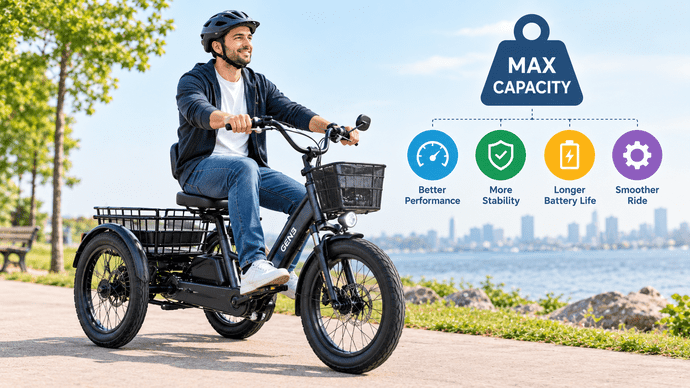
Electric trikes are a practical option for adults who want a comfortable way to travel, run errands, or enjoy outdoor rides. However, choosing the right model involves more than looking at its speed or battery. Weight capacity is another important factor because it affects performance, comfort, and safety. Understanding this feature can help you make a better buying decision.
What Does Weight Capacity Mean?
Weight capacity is the maximum load a trike is designed to carry safely. It usually includes the rider and any permitted cargo, such as bags placed in a basket.
Different adult models have different weight limits. Some may support around 130 kg, while others are designed for heavier loads. Always check the manufacturer’s specifications because the exact limit depends on the model.
How Weight Capacity Affects Performance
1. Speed and Acceleration
The total weight affects how quickly a trike can move. A heavier load requires more effort from the motor, which may result in slower acceleration.
You may notice this when starting from a stop or riding uphill. Staying within the recommended weight limit helps the motor work as intended.
2. Battery Life and Riding Range
Battery range is another important factor. When a trike carries more weight, its motor may use more energy, especially on hills or uneven roads.
As a result, a fully charged battery may not cover the same distance on every ride. Speed, tire pressure, weather, and battery condition can also affect the range.
If you plan to travel longer distances, compare the battery capacity and estimated riding range before choosing a model.
3. Stability and Balance
Three wheels provide a stable base, but correct loading is still important. Too much weight or poorly balanced cargo can affect handling and make turns more difficult.
Keep permitted luggage secure and follow the manufacturer’s loading instructions. Avoid placing heavy items on one side of the trike.
Stability also depends on the frame design, tires, road surface, and riding speed.
4. Motor Performance
The motor works harder when the trike carries a heavier load. This is particularly noticeable when climbing hills or starting frequently.
Regularly exceeding the weight limit may put extra strain on the motor and other components. Choosing a model that suits your weight and everyday needs can help reduce unnecessary wear.
5. Braking and Comfort
A heavier rider and load can affect how quickly a trike stops. The stopping distance depends on the brakes, tires, speed, and road conditions.
Extra weight can also put more pressure on the frame, wheels, and suspension, if fitted. This may affect comfort and cause parts to wear more quickly.
For a safer ride, follow the recommended weight limit, check the brakes regularly, and maintain the correct tire pressure.
How to Choose the Right Weight Capacity
Before buying an adult model, consider these important points:
- Check the weight limit: Make sure the maximum capacity covers your weight and any cargo you plan to carry.
- Consider your route: Hills and uneven surfaces can require more power than flat roads.
- Compare the motor: Choose a motor suited to your expected load and riding conditions.
- Review the battery: Check the estimated range and charging time to see whether they meet your daily needs.
- Look at safety features: Check the brakes, tires, seat comfort, and manufacturer’s instructions.
When browsing products online, read the specifications carefully instead of choosing a model based on appearance alone. ToysUAE allows customers to explore available products and compare their listed features before making a purchase.
Does Higher Weight Capacity Mean Better Performance?
Not always. A higher weight capacity means a trike is designed to support a greater load, but it does not automatically make it faster or give it a longer battery range.
Motor power, battery size, frame design, and tire quality also affect performance. The best option is one that safely supports the intended rider and offers the features needed for everyday use.
An electric three-wheeler should be selected according to the rider’s weight, travel needs, and intended riding conditions. Checking these details can help you avoid choosing a model that does not suit your requirements.
Frequently Asked Questions
1. What happens if I exceed the weight limit?
Exceeding the limit may affect handling, braking, and acceleration. It can also put extra stress on the frame, wheels, and motor. Always follow the manufacturer’s recommended capacity.
2. Does a heavier load reduce battery range?
Yes, it can. A heavier load may require more energy from the motor, reducing the distance covered per charge. Terrain, speed, and battery condition also matter.
3. Is a higher-capacity model suitable for every adult?
Not necessarily. You should also consider the rider’s height, comfort, intended use, motor power, and other product specifications.
4. What should I check before buying?
Check the maximum load, motor power, battery range, brakes, tire type, and comfort features. Make sure the model suits your weight and intended riding conditions.
Final Thoughts
Weight capacity affects speed, battery range, stability, braking, and overall comfort. Before buying, compare the weight limit with your needs and consider how you plan to use the trike.
By reviewing product details and following the manufacturer’s recommendations, you can make a more informed choice and enjoy a safer, more comfortable riding experience.