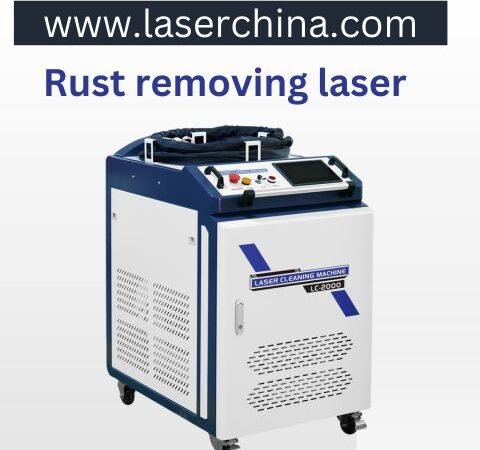
Laser Paint Remover: Efficient Surface Cleaning for Industrial Applications

Removing old paint from metal surfaces, industrial equipment, and manufactured components can be a challenging task. Traditional methods often require chemicals, abrasive materials, or extensive manual labor. A laser paint remover offers a modern approach by using controlled laser energy to remove unwanted coatings from suitable surfaces with precision and efficiency.
This technology is becoming increasingly popular in manufacturing, automotive restoration, metal fabrication, and industrial maintenance. It provides businesses with a practical way to prepare surfaces for repainting, welding, refurbishment, and other production processes.
What Is a Laser Paint Remover?
A laser paint remover is a specialized cleaning system that uses a focused laser beam to remove paint, coatings, and certain surface contaminants. The laser interacts with the coating, helping separate it from the underlying material when the appropriate settings and process conditions are used.
Depending on the application, laser cleaning systems can be configured for handheld operation or integrated into automated production lines. Operators can adjust parameters such as laser power, scanning speed, and pulse settings to suit different coating types and substrate materials.
Before beginning a project, testing is essential to determine the correct settings and minimize the risk of damaging the underlying surface.
How Does Laser Paint Removal Work?
Laser paint removal works by directing laser energy onto a coated surface. The coating absorbs the energy, which causes it to heat, break down, or detach from the substrate. The exact mechanism depends on the laser type, coating composition, surface material, and operating parameters.
For example, removing paint from steel may require different settings than treating aluminum or another sensitive material. Thick industrial coatings can also require a different approach from thin decorative finishes.
A properly configured laser paint remover can target selected areas, helping technicians remove unwanted coatings while maintaining greater control over the cleaning process.
Applications Across Different Industries
Laser paint removal technology serves a wide range of industrial and commercial applications.
Automotive Industry
Automotive workshops can use laser cleaning for selected restoration and maintenance tasks, including removing coatings from metal components before refinishing or repair. Careful parameter selection is important when working near thin panels or heat-sensitive parts.
Metal Fabrication
Metal fabrication facilities may use laser cleaning to prepare painted components before welding, recoating, or further processing. Removing coatings from designated areas can support cleaner and more consistent preparation.
Industrial Equipment Maintenance
Machinery and industrial structures often accumulate layers of paint during years of service. Laser cleaning can help remove old coatings from selected components during refurbishment, inspection, and maintenance operations.
Manufacturing and Restoration
Manufacturers and restoration specialists can apply laser technology to suitable metal parts, tools, and engineered components. Its controlled operation makes it useful for projects that require localized coating removal.
Choosing the Right Laser Paint Removal System
Selecting suitable equipment begins with understanding the intended application. Consider the coating thickness, paint composition, base material, working area, and required production speed.
Laser power is another important consideration. Lower-power systems may suit certain localized or lighter-duty tasks, while higher-power equipment may be appropriate for demanding industrial applications. However, higher power does not automatically guarantee better results; the laser configuration and process settings must match the job.
Buyers should also evaluate portability, control options, cooling requirements, maintenance support, and operator training. Requesting a demonstration on a representative sample can help verify performance before purchasing equipment.
Safety and Operating Considerations
Industrial laser systems require appropriate safety measures. High-powered laser beams can cause severe eye and skin injuries, and removing paint may generate hazardous fumes or airborne particles.
Operators should follow the manufacturer’s safety instructions, use suitable laser-rated protective equipment, establish the required controlled work area, and provide appropriate extraction and filtration. Coatings containing hazardous substances require particular care and a suitable risk assessment.
Training and correct equipment setup are essential for safe and reliable operation.
Final Thoughts
Laser technology is providing manufacturers, restoration specialists, and maintenance teams with another option for removing unwanted coatings from suitable surfaces. By matching the laser system to the material and application, businesses can improve process control and prepare components for subsequent production stages.
When evaluating a laser paint remover, prioritize application testing, equipment quality, safety provisions, and dependable technical support. A well-selected system can become a valuable part of a modern surface preparation workflow.