Learning Music by Ear: A Valuable Skill Every Musician Should Develop
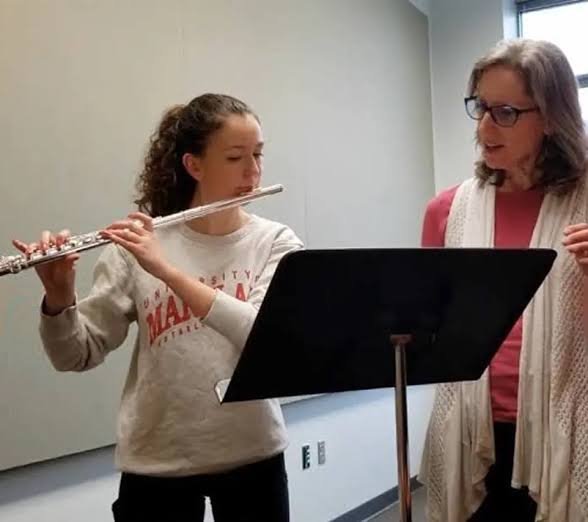
Music is often introduced through written notes, exercises, and instrumental lessons. However, one of the most valuable abilities a musician can develop is learning to recognize and reproduce sounds without depending entirely on sheet music. This ability is commonly known as playing by ear. It allows musicians to identify melodies, recognize musical patterns, follow rhythms, and reproduce sounds through their instruments or voices.
Learning music by ear can make musical development more enjoyable and independent. Whether someone plays piano, guitar, violin, or sings, developing listening skills can improve their understanding of music and help them become more confident performers.
What Does Learning Music by Ear Mean?
Learning music by ear involves listening carefully to musical sounds and understanding how to reproduce them. Instead of relying only on written notation, musicians use their hearing to recognize notes, melodies, rhythms, and chord patterns.
For example, someone listening to a familiar song might try to identify its melody and play it on a piano. A guitarist might listen to a recording and experiment with different chords until they find a suitable arrangement.
This process requires practice, but beginners can start with simple melodies and gradually develop their listening abilities.
Why Listening Skills Matter in Music
Listening is one of the foundations of musical development. Musicians need to recognize whether notes are accurate, whether the rhythm is consistent, and how different sounds work together.
Careful listening also helps students understand musical expression. They can notice changes in volume, tempo, pitch, and tone that influence the character of a performance.
Developing these abilities makes practice more meaningful because students begin to understand not only what they are playing but also how the music should sound.
Recognizing Melodies and Musical Patterns
Melodies are created through sequences of notes that form recognizable musical phrases. Learning to identify these patterns can help musicians reproduce songs without reading every note.
Beginners can start by listening to short and familiar melodies. They can then try singing the notes before playing them on an instrument.
Repeating this process helps learners connect the sounds they hear with the notes they produce. Over time, they may become more comfortable recognizing common melodic movements and musical patterns.
Developing a Better Sense of Rhythm
Rhythm is another important part of learning music by ear. It determines how notes and silences are organized over time.
Students can practice rhythm by listening to songs and identifying the regular beat. Clapping along with a recording is a simple way to understand timing and develop rhythmic awareness.
Musicians can also use a metronome to maintain a steady tempo while practicing. Once basic rhythms become familiar, learners can explore more complicated patterns and variations.
These exercises are useful for instrumentalists and singers because accurate timing helps create a more controlled and expressive performance.
How Different Instruments Benefit From Ear Training
Every instrument offers different opportunities for developing listening skills. Practicing by ear can help musicians become more familiar with their instrument and understand how musical sounds are produced.
Piano
Piano students can listen to simple melodies and try to reproduce them using individual keys. They can also experiment with chords and recognize how different combinations of notes create different musical moods.
Guitar
Guitarists can develop their listening skills by identifying chord changes, melodies, and rhythmic patterns in familiar songs. Practicing with recordings can also help improve timing and musical coordination.
Violin
Violin players need careful listening to develop accurate pitch and intonation. Comparing their playing with reference recordings can help them recognize when notes are too high or too low.
Singing
Singers can practice by listening to a melody and reproducing it with their voices. This helps them become more aware of pitch accuracy, vocal control, and musical phrasing.
Students who want structured guidance can explore music lessons at Quartertonez to develop their instrumental and listening abilities through practical instruction.
Simple Exercises to Improve Musical Hearing
Ear training does not always require advanced exercises or expensive equipment. Beginners can use simple activities to gradually improve their listening abilities.
One useful exercise is to listen to a short melody and try to sing it from memory. Students can then compare their version with the original recording.
Another activity involves identifying whether two notes sound higher or lower. As learners become more comfortable, they can practice recognizing intervals and simple chord patterns.
Listening to songs with different instruments can also improve musical awareness. Students can focus on one instrument at a time and try to follow its part throughout the composition.
Regular practice is more important than completing complicated exercises immediately. Small listening activities can gradually build stronger musical recognition.
The Relationship Between Music Theory and Ear Training
Music theory and ear training work together to develop a stronger understanding of music. Theory explains the structure behind notes, scales, intervals, and chords, while ear training helps students recognize these elements through listening.
For example, a student who understands major and minor chords can begin identifying their different sounds in songs. Similarly, knowledge of musical intervals can help learners recognize the distance between notes.
Combining practical listening exercises with basic theory gives musicians a more complete learning experience. It also makes it easier to understand compositions and explore new musical ideas.
Learning to Play Songs Without Sheet Music
Playing songs by ear can be an exciting challenge for beginners and experienced musicians alike. It allows learners to approach familiar music in a different way and develop greater independence.
Students can begin with simple children’s songs, popular melodies, or short instrumental passages. They should listen carefully, identify the melody, and experiment with reproducing it.
If a section sounds incorrect, they can slow down the recording and focus on individual notes. This process encourages patience and helps musicians become more comfortable solving musical challenges independently.
Combining Ear Training With Regular Music Lessons
Although independent listening practice is valuable, guidance from an experienced instructor can make the process more effective. Teachers can recommend suitable exercises, demonstrate musical patterns, and help students identify areas that need improvement.
A balanced learning routine should include instrumental technique, music theory, reading notation, and listening exercises. Each activity develops a different aspect of musical ability.
Students can also explore different instruments and musical traditions to expand their listening experience. For example, studying the oud introduces learners to distinctive melodic patterns and sounds associated with Middle Eastern music.
Conclusion
Learning music by ear is an important skill that can help musicians become more independent, confident, and expressive. It improves the ability to recognize melodies, understand rhythms, identify musical patterns, and reproduce sounds through instruments or singing.
Although developing musical hearing takes time, beginners can make progress through simple listening activities and consistent practice. Combining ear training with instrumental instruction and basic music theory creates a balanced approach to musical development.
Every musician can benefit from becoming a more attentive listener. By learning to understand music through hearing as well as reading, students can enjoy a deeper and more rewarding musical experience.