Office Chair Solutions for Modern Business Environments
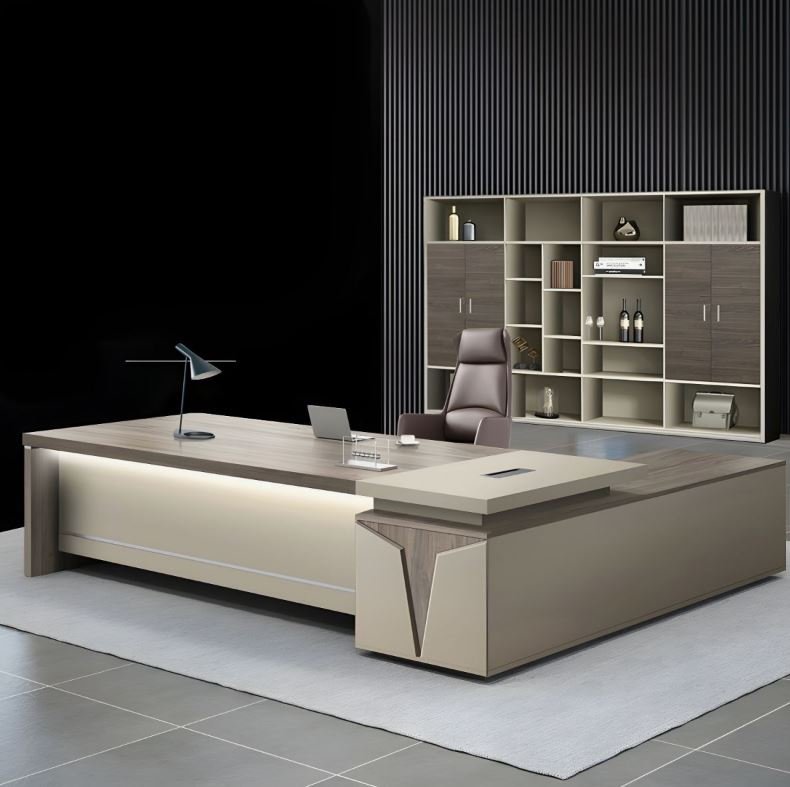
Creating a comfortable office requires more than attractive desks and organized workstations. Seating is equally important because employees spend a significant part of their working day completing tasks while sitting. The right Office chair can support proper posture, improve everyday comfort, and contribute to a more functional workplace. Whether a company operates a small office, a large corporate facility, or a home-based business, choosing suitable seating can make a meaningful difference in the overall working environment. Businesses should consider comfort, durability, design, and functionality when selecting furniture for their employees.
The Importance of Comfortable Seating in the Workplace
A well-organized workplace supports employees in completing their responsibilities efficiently. Comfortable seating is an important part of this arrangement because it influences how people work throughout the day. Employees who spend extended periods at computers need chairs that provide appropriate back support and allow them to adjust their sitting positions.
Poor seating arrangements can contribute to discomfort and make everyday activities less convenient. Therefore, businesses should pay attention to the quality and design of their furniture instead of focusing exclusively on appearance. A suitable chair should provide a balanced combination of support, cushioning, and flexibility.
Comfortable furniture also contributes to a professional office atmosphere. When chairs complement desks, cabinets, and workstations, the entire interior looks more organized. This is particularly important for companies that regularly welcome clients, business partners, and visitors.
Understanding the Different Office Chair Designs
Office furniture manufacturers offer several seating designs to accommodate different workplace requirements. Each type serves a particular purpose, making it important to understand its features before purchasing.
Executive chairs are commonly used in private offices and managerial spaces. They usually feature padded backrests, comfortable seats, and attractive finishes. Their appearance works well with executive desks and creates a professional environment.
Task chairs are designed for everyday office activities. They often include adjustable height, supportive backrests, and practical structures. Their compact designs make them suitable for administrative departments, shared workstations, and computer-based activities.
Mesh chairs are another popular option for modern offices. Their breathable backrests encourage airflow, making them useful in workplaces where employees remain seated for several hours. Some models also include adjustable armrests and lumbar support.
Conference chairs are designed for meeting rooms and collaborative spaces. They are available in different styles, including fixed-leg and wheeled designs. Their size and appearance should match the conference table and available room dimensions.
Visitor chairs provide seating for guests and clients. Businesses often place them in reception areas, waiting rooms, and consultation spaces. Their design should offer reasonable comfort while maintaining a welcoming appearance.
Essential Features That Make Office Seating Practical
Selecting suitable furniture requires careful attention to individual features. A chair may look attractive, but its actual functionality depends on its construction and adjustment options.
Adjustable height is one of the most useful features. It allows employees to position their seats according to their height and desk dimensions. This helps create a more comfortable working arrangement and supports proper positioning of the arms and feet.
Lumbar support is another important consideration. The lower back needs adequate support during extended sitting periods. A properly shaped backrest can help employees maintain a more natural sitting posture.
Armrests can also improve comfort by supporting the arms during desk activities. Adjustable versions provide greater flexibility because users can position them according to their preferences.
Seat cushioning should provide sufficient support without feeling excessively hard or soft. The seat dimensions should also allow employees to sit comfortably without placing unnecessary pressure behind their knees.
Finally, check the base and wheels. A stable base supports everyday use, while smooth-rolling wheels make it easier to move around a workstation.
How Ergonomic Furniture Improves Workplace Arrangements
Ergonomics focuses on designing furniture and work environments around human needs. In an office, ergonomic seating helps employees maintain comfortable positions while completing their daily responsibilities.
An ergonomic chair should allow users to adjust important features according to their body proportions. The backrest should support the spine, and the seat height should allow the feet to rest comfortably on the floor. Armrests should support the arms without forcing the shoulders upward.
Desk positioning is also important. Employees should have enough space to move their legs and position their computer equipment comfortably. The monitor should be placed at a suitable viewing height to reduce unnecessary neck movement.
Businesses should remember that ergonomic furniture is only one part of a healthy working environment. Employees also benefit from regular breaks, stretching, and changing positions throughout the day.
Combining appropriate furniture with practical workplace habits can help create a more comfortable environment for different types of office activities.
Choosing Durable Materials for Everyday Office Use
Material quality affects the appearance, comfort, and maintenance requirements of office furniture. Businesses should compare available materials before selecting products for their workspaces.
Mesh is a suitable option for people who prefer breathable seating. Its open structure allows airflow through the backrest, making it a practical choice for modern office interiors. Mesh designs are available in different colors and styles.
Fabric upholstery offers a soft surface and can complement various interior designs. Businesses can choose from different textures and shades to match their existing furniture. However, fabric may require regular cleaning to maintain its appearance.
Leather and synthetic leather provide a more formal appearance. These materials are commonly selected for executive offices and reception areas. They can create a polished look and are generally easy to wipe clean when maintained according to the manufacturer’s recommendations.
The internal frame is equally important. Strong supporting materials, reliable adjustment mechanisms, and a stable base contribute to overall product quality. Buyers should check these details rather than judging furniture only by its exterior finish.
Matching Seating With Office Desks and Interior Design
A coordinated office layout creates a more professional and organized environment. Seating should match the height, dimensions, and design of the desks where it will be used.
For example, computer workstations generally require adjustable chairs that fit comfortably beneath the desk. Executive offices may use larger chairs that complement spacious desks and storage cabinets. Meeting rooms need seating that allows participants to sit comfortably without overcrowding the available space.
Color selection can also influence the overall appearance. Black, grey, white, and beige are commonly used in professional interiors because they work well with different furniture styles. Companies can also introduce accent colors that complement their branding.
Before purchasing furniture, measure the available floor area. Consider walking paths, desk arrangements, storage locations, and the amount of space required for chairs to move freely. Proper planning helps prevent overcrowding and makes the workplace easier to navigate.
Office Seating for Different Business Industries
Different industries have different furniture requirements. A corporate office may need ergonomic task chairs for employees, executive seating for managers, and conference chairs for meeting rooms. Educational institutions may require practical seating for administrative departments and staff offices.
Healthcare facilities often need furniture that is easy to clean and suitable for reception areas, consultation rooms, and administrative spaces. Retail businesses may prioritize compact seating for offices located behind their customer service areas.
Startups and small businesses usually look for practical furniture that balances affordability and functionality. They may prefer versatile chairs that can be used across different departments as their teams grow.
Companies should identify their daily activities before choosing furniture. Understanding how frequently chairs will be used and who will use them makes it easier to select suitable products.
Maintaining Office Chairs for Long-Term Performance
Regular maintenance helps businesses keep their furniture in good condition. Dust, stains, and everyday wear can affect the appearance of seating, particularly in busy workplaces.
Start by cleaning the surfaces according to the material specifications. Mesh and fabric upholstery may require gentle vacuuming, while leather and synthetic leather can often be wiped with a soft cloth and suitable cleaning products.
Mechanical components should also be inspected regularly. Check the wheels, screws, armrests, height controls, and reclining mechanisms. Loose parts or unusual movements should be addressed before they create larger problems.
Employees should avoid placing excessive weight on chairs or using them for purposes they were not designed for. Simple maintenance routines and proper usage can help extend furniture life and reduce replacement expenses.
Businesses purchasing furniture in larger quantities should also establish a maintenance schedule. This makes it easier to identify damaged products and maintain consistent seating conditions throughout the workplace.
Smart Buying Tips for Businesses in the Philippines
Purchasing office furniture requires a balance between budget, quality, and workplace requirements. Businesses in Manila and Quezon City should compare available products carefully before making purchasing decisions.
Start by identifying the number of employees and the type of seating required in each department. Next, determine the available budget and compare products with similar specifications. This approach makes it easier to evaluate value instead of selecting furniture based only on the lowest price.
Product dimensions, weight capacity, upholstery, adjustment options, and warranty conditions should all be reviewed. Buyers should also ask about delivery arrangements and available customer support.
Whenever possible, test different models before placing a large order. Sitting in a chair allows buyers to evaluate cushioning, back support, movement, and overall comfort.
It is also useful to consider future business expansion. Choosing furniture styles that can be matched with additional purchases can help maintain a consistent office appearance as the company grows.
Creating Functional Workspaces With Quality Furniture
A productive office depends on furniture that supports everyday activities and meets the needs of employees. Seating should provide comfort, practical adjustment options, and reliable construction. Businesses should also consider how furniture fits into their interior design and whether it supports efficient use of available space.
From compact task seating to executive and conference designs, every product should serve a clear purpose. Material quality, maintenance requirements, and long-term usability are equally important when comparing available options.
Companies looking for suitable workplace furniture can explore the range of solutions offered by Manila office furniture den when planning professional office interiors. Making thoughtful furniture choices can help businesses establish organized workspaces that support employees and create a positive impression on visitors.
Frequently Asked Questions
What should businesses consider when purchasing office seating?
Businesses should evaluate comfort, lumbar support, adjustable features, material quality, durability, and compatibility with existing workstations.
Which office chair is suitable for computer work?
An adjustable ergonomic task chair with lumbar support, comfortable cushioning, and suitable armrests is a practical choice for computer-based work.
Are adjustable office chairs better than fixed chairs?
Adjustable chairs offer greater flexibility because users can modify the seat height and other features to suit their working positions.
How can businesses maintain office furniture?
Regular cleaning, checking mechanical components, tightening loose screws, and following manufacturer care instructions can help maintain furniture quality.
Which material is best for office chairs?
Mesh is suitable for airflow, fabric offers different textures and finishes, while leather and synthetic leather provide a more formal appearance.
How do I choose chairs for a small office?
Choose compact designs with practical adjustment features and measure the available space to ensure employees can move comfortably around their workstations.