Planning Long-Term Savings with a Roth IRA Retirement Calculator
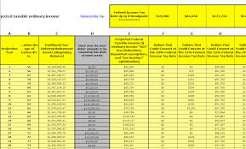
Preparing for retirement requires balancing present expenses with long-term savings goals. A roth ira retirement calculator can help individuals explore how regular contributions and hypothetical investment growth might affect the future value of a Roth individual retirement account.
Although a calculator cannot guarantee investment results, it can make retirement scenarios easier to compare.
What Is a Roth IRA?
A Roth IRA is an individual retirement account funded with after-tax contributions, subject to applicable eligibility and contribution rules.
Qualified distributions are generally tax-free under US tax law. Qualification depends on requirements that may include the account’s five-year period and other applicable conditions.
Eligibility to contribute and permitted contribution amounts may depend on income, tax filing status, and the rules applying to the relevant tax year.
How a Roth IRA Calculator Works
A typical calculator uses information such as the current account balance, planned contributions, years until retirement, and an assumed investment return.
Based on these inputs, it estimates how the account might grow over the selected period. Some calculators also show the difference between total contributions and projected investment growth.
The result depends on the assumptions entered and the calculation method used by the tool.
The Importance of Regular Contributions
Consistent contributions can help individuals build retirement savings over time, provided they meet applicable eligibility and contribution requirements.
A calculator allows users to compare different contribution amounts and explore how increasing deposits may affect a future balance.
The appropriate amount depends on personal circumstances, including income, living expenses, emergency savings, and other retirement arrangements.
Understanding Compound Growth
Compound growth occurs when investment earnings generate additional earnings while remaining invested. Over a long period, this process can contribute to account growth when returns are positive.
However, investment returns fluctuate and are not guaranteed. Actual outcomes depend on market conditions, investment choices, fees, and contribution timing.
Testing multiple assumptions can provide a more balanced picture of potential outcomes.
Understand Roth IRA Rules
Roth IRA contributions and withdrawals are subject to specific tax rules. Qualified distributions may receive favourable tax treatment, but not every withdrawal automatically qualifies for tax-free treatment.
Contribution limits, income eligibility, and withdrawal requirements can change or vary by individual circumstances. Users should consult current official guidance before making decisions.
Account for Inflation and Future Expenses
A projected retirement balance does not necessarily indicate how much purchasing power that money will provide in the future.
Inflation can increase the cost of housing, healthcare, food, and other expenses. Some calculators include inflation-adjusted estimates, while others show only nominal dollar amounts.
Comparing potential savings with expected retirement expenses can make the results more useful.
Conclusion
A roth ira retirement calculator can help individuals compare contribution strategies, estimate potential account growth, and explore how different assumptions affect long-term savings.
For more meaningful estimates, use realistic figures, verify current eligibility and contribution rules, and remember that projections are not guarantees of investment performance. Consider qualified financial or tax advice when personal circumstances require additional guidance.