
Residential Window Cleaning: A Complete Guide for Homeowners
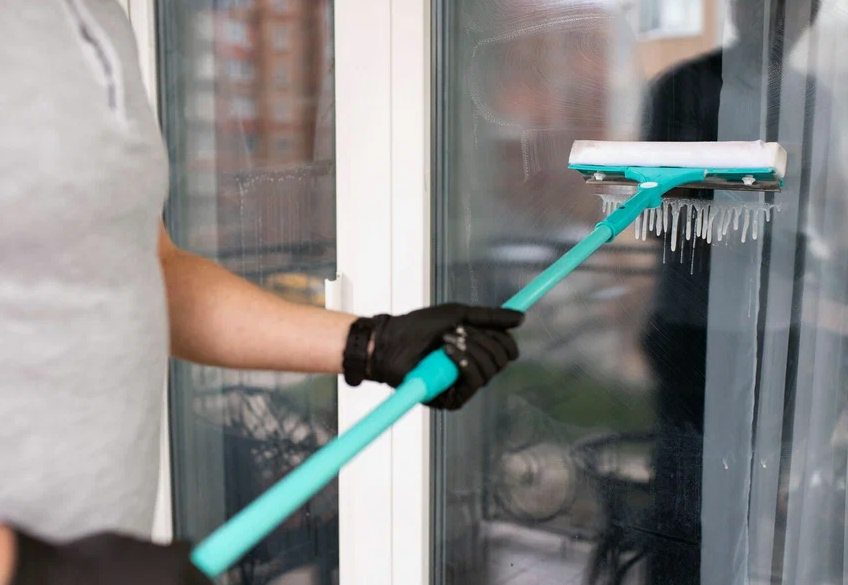
Clean windows are an important part of a well-maintained home. Glass can gradually collect dust, pollen, fingerprints, insect residue, water spots, and other buildup that affects both appearance and visibility. Residential window cleaning provides homeowners with a practical way to remove this accumulation and maintain clearer windows without spending an entire day handling ladders, cleaning solutions, and difficult-to-reach areas. Professional cleaning can be particularly helpful for homes with multiple levels, large glass panels, or windows positioned in locations that are inconvenient to access.
Window care also has a maintenance benefit beyond simply making glass look cleaner. Once accumulated dirt is removed, homeowners may be able to identify cracked panes, damaged screens, worn seals, deteriorating frames, or other concerns more easily. A consistent cleaning routine can therefore support better awareness of the condition of the property’s windows. Whether homeowners are preparing for a special occasion, completing seasonal maintenance, or simply keeping their property in good condition, professional window care can make an otherwise time-consuming task more convenient.
Why Clean Windows Matter in a Home
Windows are exposed to a combination of indoor and outdoor conditions, making them vulnerable to different types of residue. Exterior glass may collect dust, pollen, rainwater deposits, and particles from surrounding landscaping, while interior surfaces can develop fingerprints, pet marks, cooking residue, and household dust. As this buildup increases, it can make rooms appear less polished and reduce the clarity of views. Thorough cleaning can improve the appearance of the glass while also addressing areas such as frames, sills, tracks, and screens when those components are included in the service. Maintaining these surrounding areas contributes to a more complete result and helps keep the property looking consistently cared for.
How Frequently Should Homeowners Clean Their Windows?
The ideal cleaning frequency depends on the property’s location, surroundings, weather exposure, and household needs. A home surrounded by mature trees may collect pollen and organic debris more quickly than a property with limited landscaping. Similarly, homes near busy roads or construction activity may experience faster accumulation of airborne dust. Some homeowners prefer seasonal cleaning, while others schedule professional service several times throughout the year. The most useful approach is to observe how quickly windows become visibly dirty and establish a routine that reflects actual conditions. A recurring schedule can also prevent heavy buildup from developing and make each subsequent cleaning appointment more manageable.
What Professional Window Cleaning Can Include
Professional service may cover more than the central surface of the glass. Depending on the provider and agreed scope, cleaning can include interior and exterior panes, frames, sills, tracks, and screens. Each of these areas can accumulate dirt, particularly in corners and narrow spaces that are difficult to reach with ordinary household equipment. A professional technician can assess the condition of the windows and select suitable cleaning methods based on the type of glass and level of buildup. Homeowners should clarify what is included before scheduling service so they understand exactly which areas will receive attention and whether heavily stained or difficult-to-access windows require additional work.
Safety Considerations for Residential Window Cleaning
Window cleaning can become a safety concern when glass is located above ground level or in difficult positions. Ladders may need to be placed on uneven surfaces, while reaching around landscaping, railings, or architectural features can make the task more complicated. Attempting to clean inaccessible windows without appropriate equipment can increase the risk of falls or accidental property damage. Professional cleaners have access to tools designed for challenging locations and can approach the work using established safety practices. For homeowners, professional service can reduce the physical demands of the task and eliminate the need to purchase, transport, and operate specialized equipment for occasional cleaning.
Window Cleaning Can Reveal Maintenance Issues
Removing layers of dirt can make it easier to identify problems that might otherwise remain hidden. During or after cleaning, homeowners may notice cracked glass, damaged screens, deteriorating frames, failed seals, or persistent mineral deposits. Not every visible mark is removable through ordinary cleaning. Scratches and internal glass damage, for example, may require repair or replacement, while long-standing mineral deposits can sometimes require specialized treatment. Understanding the difference between surface dirt and permanent damage is important because it helps homeowners maintain realistic expectations about what cleaning can accomplish. Regular professional attention can also encourage property owners to address visible problems before they become easy to overlook.
Choosing the Right Window Cleaning Company
Homeowners should consider several factors when selecting a professional provider. Price is important, but it should be evaluated alongside communication, reliability, equipment, cleaning methods, safety procedures, and the scope of service. It is useful to ask whether both interior and exterior windows are covered and whether frames, screens, and sills are included. Customers should also understand how pricing is determined when properties have numerous windows, oversized panes, multiple floors, or difficult access. A professional provider should communicate these details clearly before work begins. This transparency helps homeowners understand what they are receiving and reduces the likelihood of unexpected issues during or after the appointment.
Preparing for a Professional Cleaning Appointment
Simple preparation can help make a window cleaning visit more efficient. Homeowners may move fragile decorations, electronics, or other items positioned close to interior windows when necessary. Outdoor access points should also be reasonably clear so technicians can reach exterior windows without avoidable obstacles. It is helpful to mention known concerns before the appointment, including damaged screens, stubborn water spots, difficult access, or windows that have not been cleaned for a long period. Clear communication allows the cleaning team to understand the property more effectively and helps establish realistic expectations about the final result.
Making Window Care Part of a Home Maintenance Plan
Window cleaning works particularly well when included in a broader home-maintenance routine. Homeowners can coordinate it with seasonal exterior cleaning, gutter care, screen inspections, and other property-maintenance tasks. Regular attention reduces the likelihood of heavy buildup and makes it easier to maintain a consistent appearance throughout the year. A recurring schedule also gives homeowners opportunities to observe changes in the condition of their windows and identify areas that may require repair. Rather than treating window cleaning as an occasional emergency task, incorporating it into routine maintenance can make property care more organized and predictable.
Conclusion
Professional residential window cleaning can help homeowners maintain clearer glass, improve the appearance of their property, save valuable time, and handle difficult-to-reach windows more safely. The appropriate cleaning schedule depends on factors such as environmental exposure, window accessibility, household activity, and the homeowner’s preferred level of maintenance. Choosing a provider that offers clear communication, appropriate equipment, careful work practices, and transparent service expectations can make the process easier from start to finish. By incorporating window care into a regular home-maintenance routine, homeowners can keep their windows looking cleaner while staying more aware of the condition of the property’s glass, frames, screens, and surrounding components.