Scapula Holding Forceps: Design, Uses, and Why Quality Matters
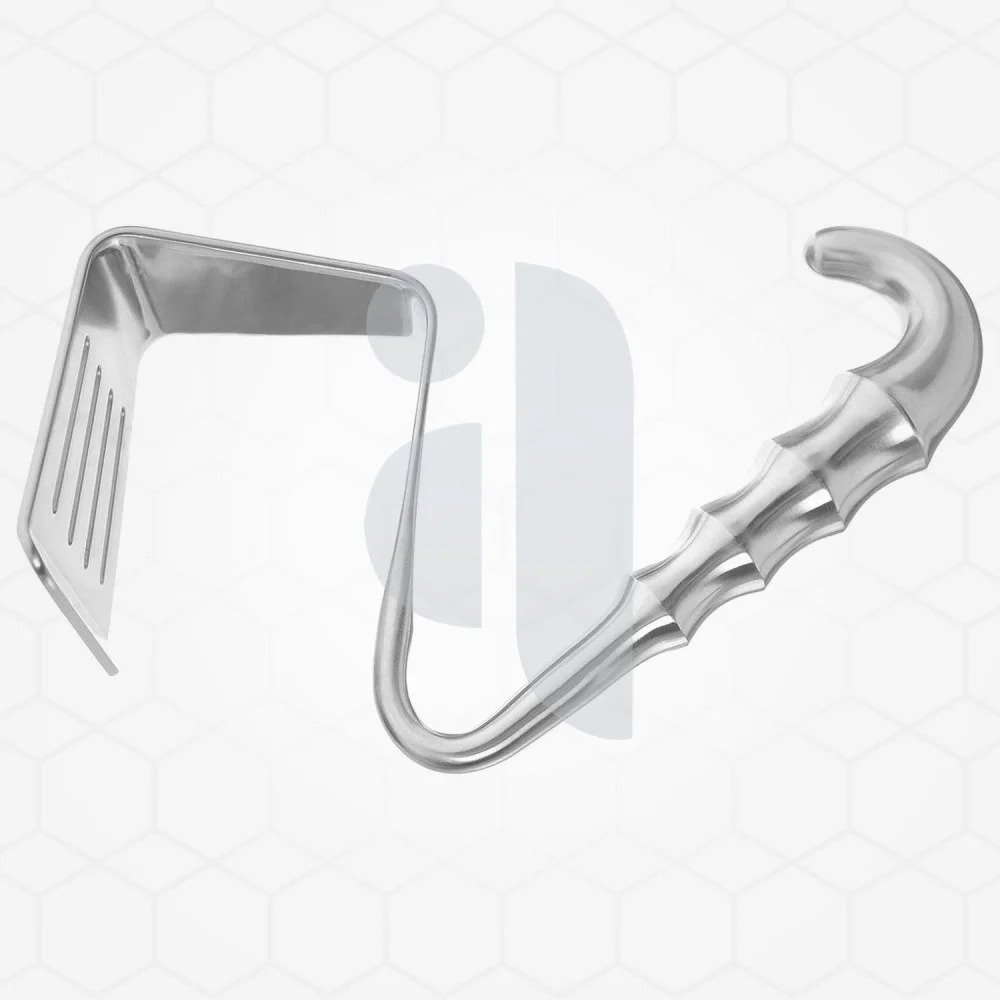
The shoulder blade is a broad, thin, and curved bone, so holding it steady during surgery can be tricky. Scapula forceps are orthopedic instruments that grip this bone securely, letting surgeons position and stabilize it with control. Most models have strong jaws, a sturdy box joint, and a ratchet lock that keeps the grip in place once it is set. This simple scapula forceps turns a hard-to-hold bone into a manageable surgical field.
Their Role in Surgical Procedures
In shoulder and trauma surgery, controlling bone fragments is often the key step before fixation. Surgeons use scapula forceps to hold the bone, guide fragments into alignment, and maintain that position while plates, screws, or other fixation devices are applied. The ratchet locks the jaws, so the surgeon or assistant doesn’t need to squeeze the handles constantly. That frees their hands and attention for the next stage of the procedure.
Common Design Features
Small design details shape how well the instrument performs. Jaws may be pointed, serrated, or toothed to bite into bone without slipping. Many patterns have curved or angled jaws that follow the contour of the scapula and reach around its edges. Lengths vary, giving surgeons options for different patients and surgical approaches. When choosing scapula forceps, teams usually weigh jaw style, tip shape, overall length, and how well the instrument fits with the rest of the orthopedic set.
Handling Benefits
A well-balanced instrument helps the surgeon work with confidence. Smooth joint action lets the jaws open and close without sticking. A reliable ratchet clicks into place cleanly and releases with ease. Comfortable finger rings support steady control, even with gloved hands. When scapula forceps handle predictably, the surgical team can focus on alignment instead of fighting the tool.
Why Manufacturing Quality Matters
Bone-holding instruments face heavy loads, so even small flaws can cause problems. Misaligned jaws may slip, and a weak ratchet may loosen at the wrong moment. Surgical-grade stainless steel, precise machining, and careful finishing help instruments stay strong through repeated use and sterilization. For plugger in dentistry firm jaw alignment and a durable locking mechanism are essential.
AzeeMed’s Commitment to Excellence
AzeeMed focuses on making surgical instruments of the highest quality for the medical community around the globe. With experience of over two decades, AzeeMed furnishes an array of instruments for various surgical specialties, including plastic, dental, ophthalmic, neuro and spine, and orthopedic surgeries. Each pair of scapula forceps is crafted with close attention to jaw grip, ratchet strength, balance, and long-term durability.
Conclusion
Scapula forceps play a quiet but vital role in shoulder and orthopedic surgery by giving surgeons secure control over a bone that is hard to hold. Their value depends on smart design, smooth handling, and precise manufacturing. When every part works as intended, surgeons can position, align, and stabilize bone with greater confidence. By choosing instruments from an experienced maker like AzeeMed, you gain dependable tools built to support careful, precise work in every procedure.