Top Royal-Road Secrets for Picking the Perfect SUV
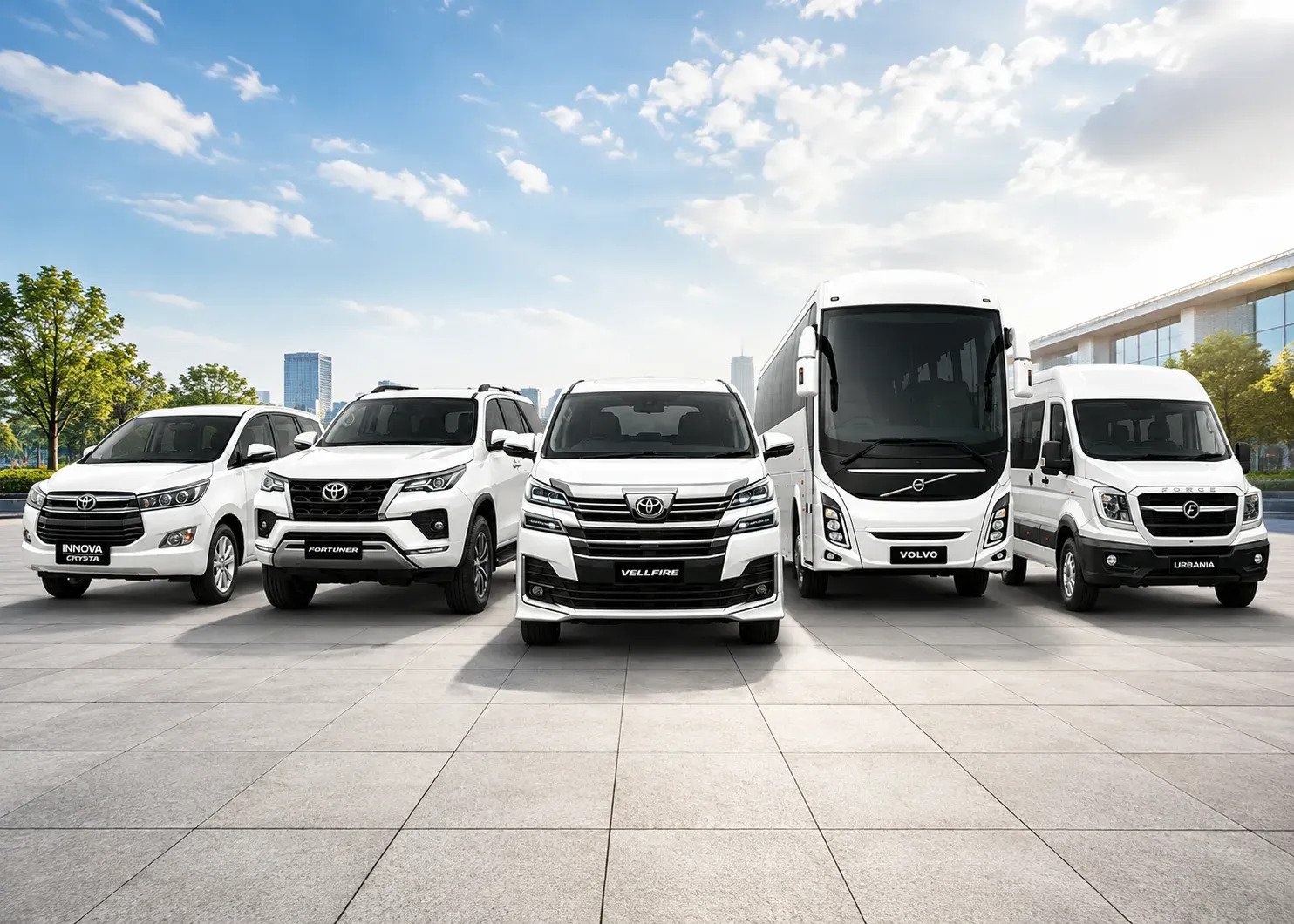
Top Royal-Road Secrets: Picking the Perfect SUV for Your Pink City Adventure
Rajasthan is a state you feel more than you see. The forts rise out of the desert, the markets glow in the evening, and the highways stretch long enough to make you grateful for a seat that does not ache after two hours. If you are searching for SUV car rental Jaipur, you are already thinking in the right direction, because the vehicle you choose matters almost as much as the places on your list.

Why an SUV Makes Sense for Rajasthan Travel
Sedans are fine for short city errands, but Rajasthan asks more of a car. Distances between major destinations often run past 300 kilometres, and road quality changes quickly. A smooth four-lane highway can turn into a patched village road within minutes.
An SUV handles this variety well. The higher ground clearance copes with speed breakers, broken edges and the occasional unpaved stretch near heritage sites. The seating is roomier, the boot swallows luggage for a whole family, and the ride stays steady on long hauls. Passengers also tend to arrive less tired, which matters when you plan to sightsee the same day.
Choosing the Right Size and Type
Not every group needs the biggest vehicle available. Think honestly about how many people are travelling and how much luggage you carry.
Compact and Mid-Size SUVs
These suit couples, small families and business travellers. They are easier to park in crowded old-city lanes and usually cost less per kilometre.
Seven-Seater SUVs
If you travel with grandparents, children or a few extra bags, a seven-seater gives everyone breathing room. The third row works best for short hops or lighter passengers, so do not treat it as a full-comfort seat for adults on a ten-hour drive.
Premium SUVs
For weddings, corporate guests or special occasions, a premium model adds leather seats, strong air conditioning and a quieter cabin. It costs more, but for the right event it is money well spent.
What to Check Before You Book
A good deal is not only about the lowest number on a quote. Many travellers get caught by details they never asked about.
Start with the pricing structure. Ask whether the rate is per day, per kilometre or a fixed package. Clarify the daily kilometre limit, the extra charge beyond it, night halt charges for the driver, and whether tolls and parking are included. When comparing options for SUV car rental Jaipur, the cheapest listing is rarely the best one, so look at genuine reviews, response time on calls, and how clearly the operator explains terms before you pay any advance.
Next, look at the condition of the vehicle. Ask for recent photos or inspect it in person if possible. Check the tyres, the air conditioning, the seat belts and the cleanliness of the interior.
Finally, confirm the paperwork. A genuine commercial vehicle should carry valid permits, insurance and a fitness certificate. Reputable providers share these without fuss.
Why the Driver Matters as Much as the Car
Rajasthan driving is its own skill. Camels, cattle, tractors and sudden diversions all appear without warning, and an experienced driver anticipates them calmly. A good chauffeur also knows which dhabas serve clean food, which routes avoid traffic near festivals, and where to stop for the best photographs.
When you speak to a provider such as Rajasthan Cab Hire, ask about the driver’s experience, language skills and familiarity with the route you plan. A driver who speaks comfortable Hindi and English can also double as an informal guide, which adds real value to the trip.
Popular Routes Worth Planning Around
Jaipur works well as a starting point because several famous circuits begin here.
The Jaipur to Udaipur route covers roughly 400 kilometres and passes through Ajmer and Chittorgarh, so allow a full day with a few stops. Jaipur to Jodhpur takes you towards the Blue City and later Jaisalmer if you extend the journey. A shorter option is Jaipur to Pushkar, ideal for a weekend. Wildlife lovers often choose Jaipur to Ranthambore, where an early start matters for morning safaris.
For each of these, discuss the plan with a trusted operator like Rajasthan Cab Hire in advance. A proper itinerary helps them quote accurately and prepare the vehicle for the distance.
Best Time to Travel
Winter, from October to March, is the most comfortable season. Days are pleasant and nights are cool, so sightseeing never feels like a struggle. Summer brings intense heat, and while the air conditioning in a good SUV helps, you should avoid midday drives. Monsoon travel is possible, but some roads slow down after heavy rain.
Peak months such as December and festival weeks fill up quickly, so book at least a week ahead. If you want a particular model, do it even earlier.
Safety and Comfort Checklist
Before leaving, run through a few simple points.
- Check that the spare tyre and tools are present.
- Test the air conditioning and music system.
- Keep a printed copy of the booking and the driver’s contact number.
- Carry water, light snacks and a power bank.
- Share your route with someone back home.
These steps take ten minutes and save hours of trouble later.
A Few Money-Saving Ideas
You do not need to compromise on comfort to keep costs reasonable. Travel with a full vehicle so the per-person cost drops. Choose package deals for multi-day trips instead of paying separately each day. Avoid booking at the last minute, because urgency often raises the price. Finally, ask about discounts for longer durations, since many operators are happy to adjust for steady business.
Final Thoughts
A road journey through Rajasthan should feel like part of the holiday, not a hurdle before it. When you pick a vehicle that suits your group, understand the pricing before you commit, and travel with a driver who knows the terrain, the whole experience becomes lighter and more enjoyable. Take a little time to research, ask questions without hesitation, and plan your route with sensible breaks. Do that, and the long highways, golden fields and distant forts will stay with you for all the right reasons.